
A wedding photographer in the United States typically earns between $40,000 and $150,000 annually, with most full-time professionals landing near $63,774.
The spread is that wide because the same job title covers part-timers shooting eight weddings a year and established pros charging $5,000 per Saturday.
What separates them is not just talent but overhead: the photographer grossing $80,000 often keeps only $24,000 to $40,000 after equipment, insurance, taxes, and the slow season gap.
The Short Answer
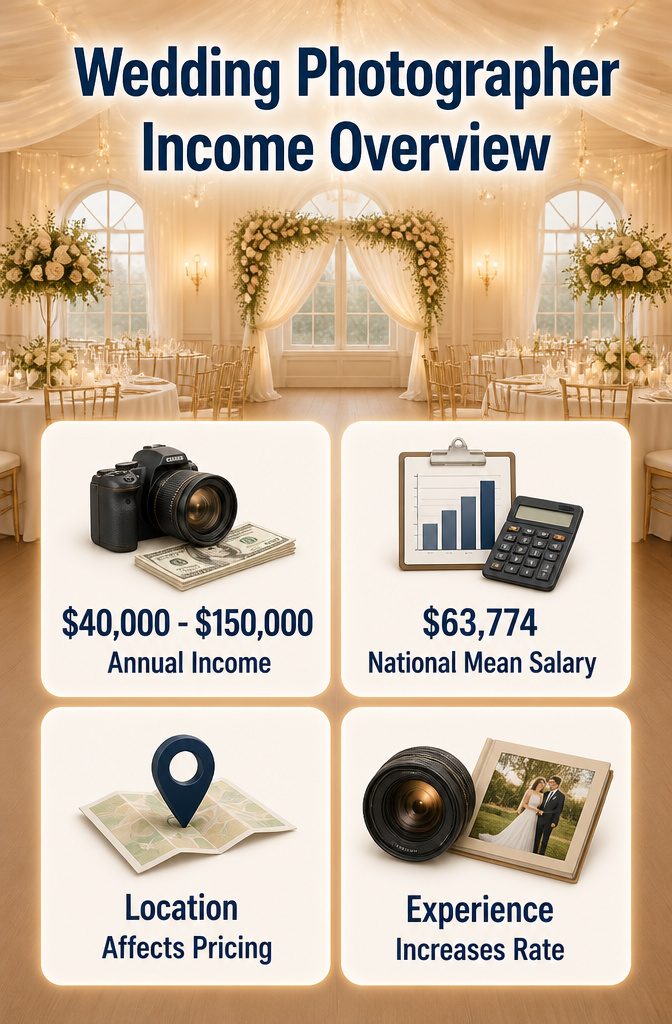
A wedding photographer in the United States typically earns between $40,000 and $150,000 annually, with the national mean sitting around $63,774.
Where someone lands inside that spread depends on three things: how many years they’ve been shooting, which market they work, and how efficiently they run the business behind the camera.
The same job title covers very different realities. Part-time photographers booking weekends here and there cluster toward the lower end.
Once someone fills a calendar consistently, the total often pushes past $80,000. Top professionals with established reputations clear $150,000.
Location matters as much as talent.
A photographer in a high-cost metro area can charge more per wedding, but also faces stiffer competition and higher overhead. Someone in a smaller market might book fewer total events or price lower to match local expectations.
Experience shows up in the numbers too. The median for photographers broadly runs closer to $42,520, but wedding specialists outperform that figure because they price per event rather than by hour or deliverable.
The gap between a beginner’s package and an established pro’s rate can be several thousand dollars for a single Saturday.

Pre-loaded with ISO 400 speed film with 27 exposures per camera

💗💗 Photographer Bracelet Photo Lover Gifts💗💗-- Engraved with the words “When Life Gets Blurry Adjust Your Focus.” Perfect for Photographer in any gift giving occasion, great gift for Christmas Day, Anniversary Day, Thanksgiving Day, Valentines Day and Birthday to your Friends, Sisters, Daughter, Wife and Mom, etc, or just as a surprise to remind that special one how much you care!

Crossbody Leather Camera Strap: This leather camera strap features a crossbody design that spreads the weight of your gear across the shoulder, making it comfortable for long shoots, travel, and everyday use with DSLR or mirrorless cameras.
Beginner Rates
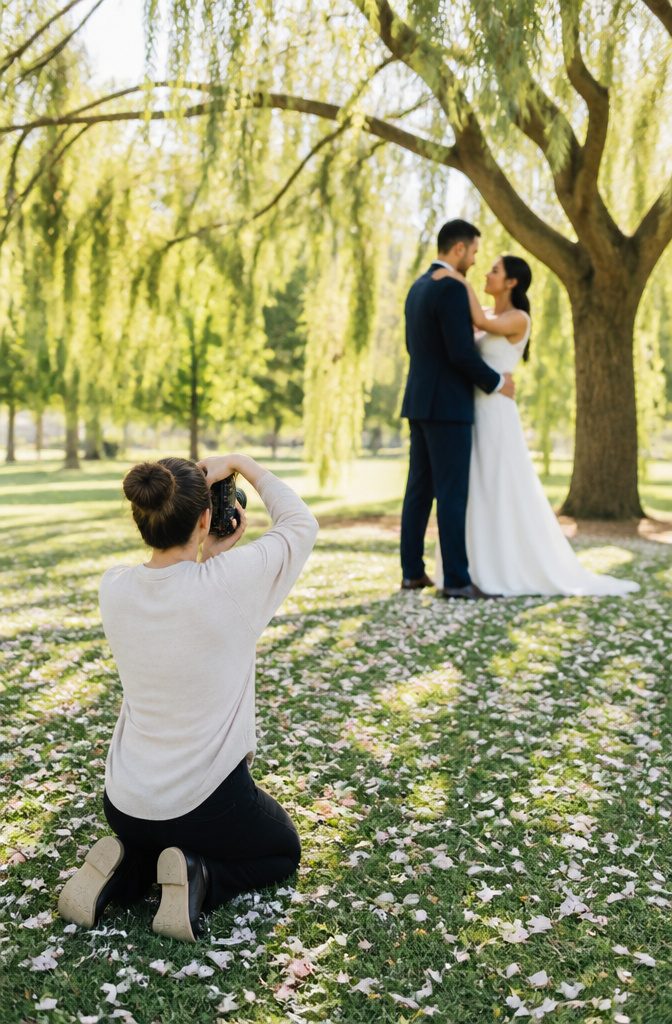
A photographer charging $500 to $1,500 per wedding is usually building a portfolio or working a second job while establishing themselves.
At this tier, couples get someone earnest but limited: a starter camera body like a Canon Rebel T7 or Nikon D3500, not the backup gear or low-light capability that saves a ceremony when the venue dims.
The photographer may deliver fewer edited images, skip an engagement session, or need eight weeks instead of four.
The price sits where it does because experience is thin and risk is real. Someone starting out might shoot a friend’s wedding for $500, then slowly raise rates as galleries fill.
Twenty weddings at $500 brings in $10,000 annually, which explains why most at this level keep a day job or shoot discounted with open eyes. The trade is deliberate: lower income now for proof of work that commands $2,000 later.

This photo shoot lights and background kit includes almost everything you need. Photo studio photography equipment includes: 1 x 6.5ft*10ft(2m*3m) Background Stand; 5 x 6.5ft Light Stands;5 x Bulb Holder (US Plug Cable1.8m);2 x 33" White Umbrellas;2x33" Silver Black Umbrella;1x33"Golden Black Umbrella;3x Softboxes; 5 x 45W Light Bulbs;3 x 5.25ft*9.2ft(1.6*2.8m) Polyster Fabric Photo Backdrop ;1 x Carry Bag; 6 x Fish Mouth Clamps;1 x 24in(60cm) 5 in 1 Reflector

COMPLETE PHOTOGRAPHY STUDIO KIT: Includes 4 light stands (6.7ft), 2 Pavo Real softboxes (24x24in), 2 umbrellas (33in), 4 LED bulbs (30W, 5700K), 4 lamp holders, 3 Chromakey muslin backdrops (black/white/green, 5x10ft), a backdrop stand (6.7x6.7ft), and a carrying bag

The kit included: 2pcs 20" x 28"/50cm x 70cm Softbox +2pcs 85W 2700-6400K 100V-240V LED Light Bulb + 2pcs 79"/200cm Aluminum Alloy Light Stand + 2pcs Remote Control + 1pcs Oxford Cloth Carrying Bag.
Emerging Photographer Rates
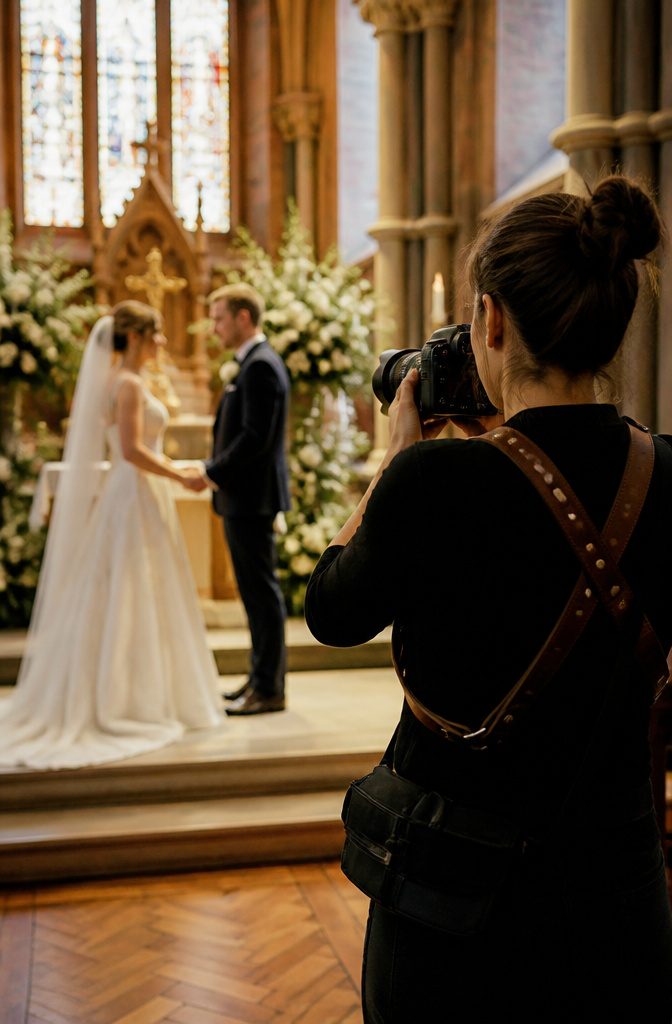
The jump from beginner to $1,500–$2,500 per wedding is where a photographer stops apologizing for their price and starts backing it up with proof.
At this tier, they have shot enough weddings to know how a timeline unravels, where the light falls in a church at 4 p.m., and which relative will step directly into the aisle during the processional.
Their portfolio shows a style forming, not just competent coverage.
Gear changes too.
A photographer here has usually moved past the $500 starter bodies, the Canon Rebel T7 or Nikon D3500 that got them through the first season, and invested in something like a Sony a7III, Canon 5D IV, or Panasonic S1 in the $1,500–$5,000 range.
They likely carry a second body, even if it is a cheaper backup, because one camera at a wedding is a gamble they no longer take.
What separates this tier from the next is consistency.
They deliver solid work every time, but they are not yet the name that books out a year ahead on reputation alone. Word of mouth is starting to work, though, and that momentum is what pushes rates toward the $3,000 mark.

Soft Pink Glow Effect – Adds a subtle pink hue and gentle dreamy softness to your images. Naturally softens highlights and enhances skin tones for a romantic, cinematic look straight out of camera.
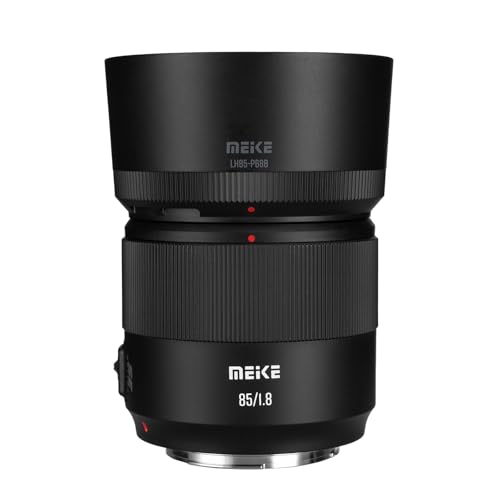
【Classic 85mm Portrait Lens for Canon EF Cameras】 Designed for Canon EF-mount full-frame and APS-C DSLR cameras, this 85mm F1.8 autofocus lens is ideal for portrait photography, weddings, headshots, fashion shoots, and professional content creation. Compatible with Canon EOS 5D Mark IV, 6D Mark II, 90D, 80D, 1D, 5D3, 5D4, 6D, 7D, 70D, 550D, T8i, T7i, T7, T6i, T5, T3i, T3, T2i Rebel series and more. It can also be used on Canon EOS R-series cameras with an EF-EOS R adapter.

Established Professional Rates
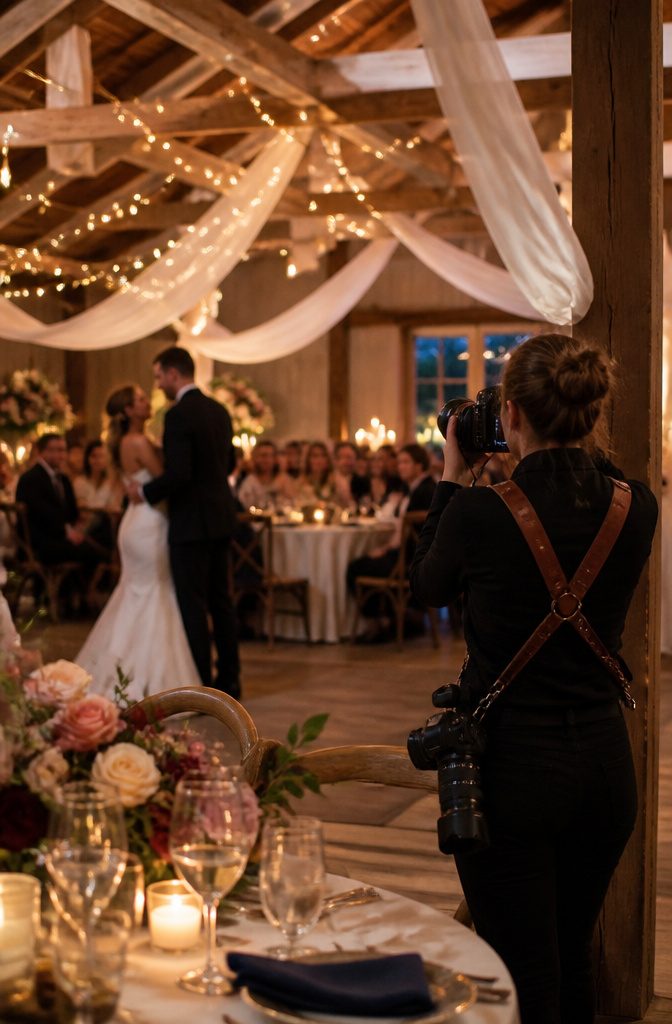
Most full-time wedding photographers land in the $3,000–$6,500 per wedding bracket once they have a solid portfolio and enough Saturdays under their belt to promise consistency.
The jump from emerging rates is not about gear; couples at this level are paying for someone who has already made the mistakes on someone else’s timeline and can prove it with full galleries, not highlight reels.
The price buys reliability. A photographer who charges here typically has backup equipment, insured gear, a contract that holds up, and a delivery workflow that does not leave couples guessing for months.
Post-production still eats 10–20 hours per wedding, so the rate has to cover that hidden labor or the photographer caps out fast.
Twenty weddings a year at $5,000 each gets you to that $100,000 gross figure that sounds impressive until you strip out taxes, insurance, equipment replacement, and the slow season.
The photographers who stay in this tier year after year are the ones who treat the editing bottleneck as a cost center, not an afterthought.

Easy to Install: The backup camera for car takes only 25 minutes from start to finish installation, just 2 steps: ① First connect the camera and monitor through the 4-pin video power cable made of 3.0MM pure copper that comes with the camera. ② Then plug the backup camera system into the cigarette lighter, manual switch, plug and play. Or you can also connect it to the reversing lights only as a reversing use, automatically triggering the reversing image when reversing
【Continuous Upgraded 1080P AHD Backup Camera】After launching three car backup cameras, PixelMan further upgrade and launch the new reversing camera PMD2A-S. This car camera use the latest chip special for reversing camera made in Japan, this chip not only has excellent image output, but also has stunning performance under strong light and dark light. Strict in details and only make the best products is what PixelMan pursues. It is also essential to you, isn't it?

CAPTURE LARGER THAN LIFE. Unlock 4K UHD(3) brilliance and pristine high res stills with video speed class ratings of U3 and V30(4).
High-End and Luxury Rates
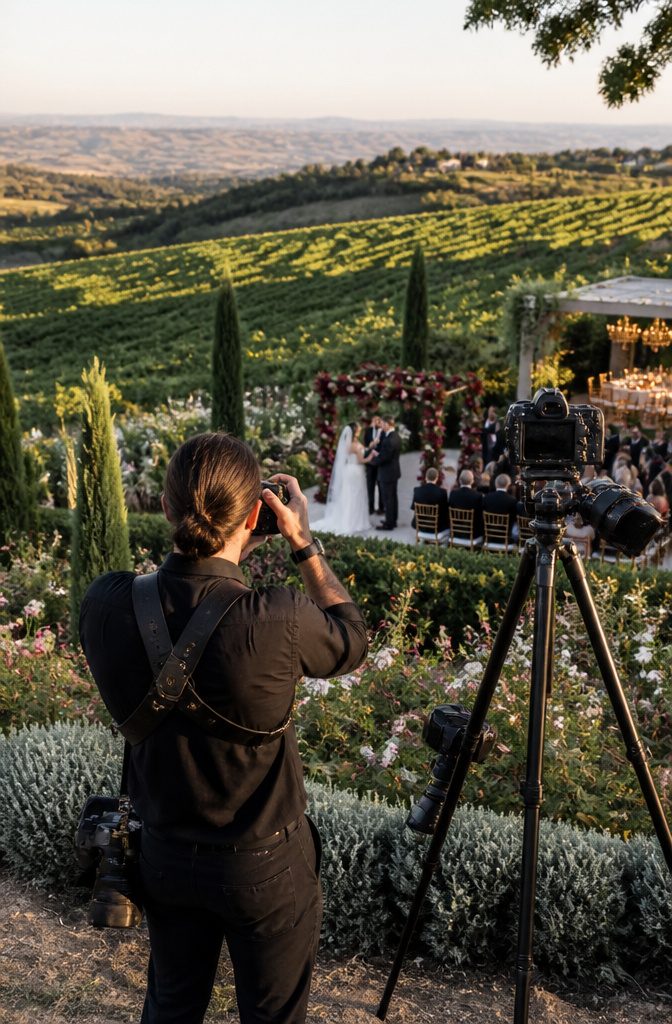
The $7,000 to $20,000-plus tier is where wedding photography stops being a service and starts being a brand.
These photographers land destination weddings, celebrity clients, or hyper-specialized markets like multi-day Indian celebrations or exclusive Napa vineyard events. What justifies the rate is rarely just the images; it is the guarantee.
A couple spending six figures on their wedding needs to know the photographer has shot in that exact venue before, has backup gear worth more than most photographers’ entire kits, and can deliver gallery-ready frames within 48 hours for press coverage.
The gear alone tells part of the story. A high-end photographer might bring $30,000 to $80,000 in equipment to a single wedding: multiple camera bodies, medium-format sensors producing 100MB files per frame, and lenses that run $20,000 each.
Second and third shooters are standard, not upgrades. The overhead matches the price tag: software, delivery systems, marketing, and gear replacement can burn through $20,400 or more annually before the photographer books a single client.
This tier is rare. Most full-time professionals sit between $3,000 and $6,000 per wedding, and the jump above $7,000 requires years of reputation-building in markets that can actually support it.
A photographer in rural Ohio charging $15,000 would book zero weddings; the same photographer in Manhattan or Malibu might have a waitlist.
The income ceiling is real, but so is the concentration of demand: a handful of names capture most of the luxury volume in any given region, and breaking into that circle takes more than technical skill.


Average Annual Income
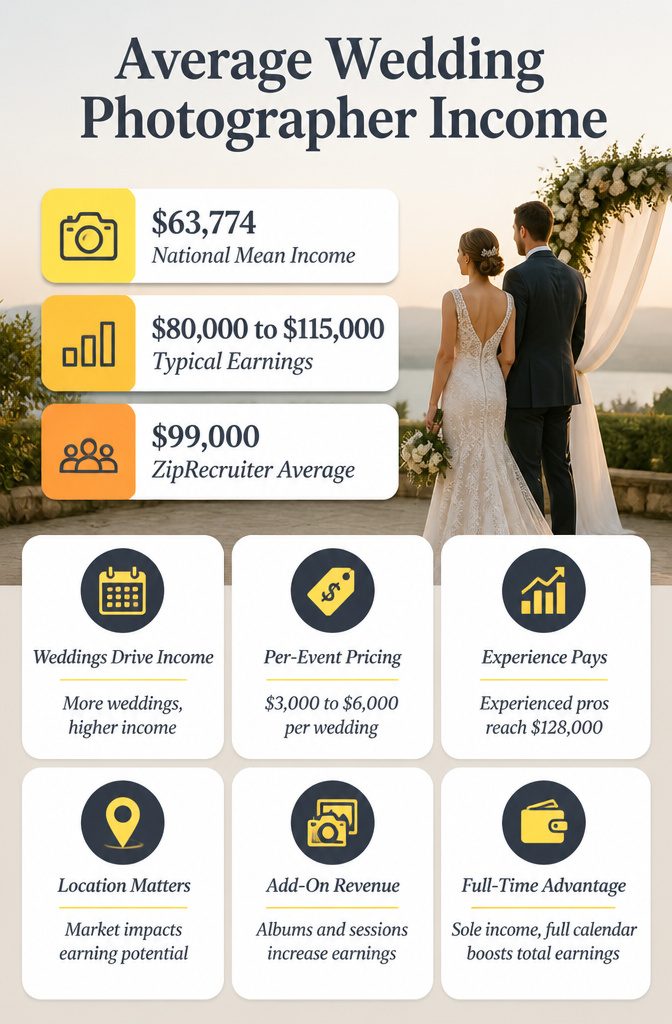
A wedding photographer’s annual income sits somewhere between $63,774 and $99,000, depending on which aggregator you check and what kind of operation you’re actually running.
Salary.com lists the lower figure as the national mean, while ZipRecruiter pushes closer to $99,000, with most landing between $80,000 and $115,000. Both can be true at once.
The gap makes sense once you look at what each number is actually averaging in.
That $63,774 figure blends part-timers shooting eight weddings a year with weekend warriors and full-timers running twenty or thirty. The higher ZipRecruiter average pulls from photographers who have filled their calendar consistently, where per-event pricing of $3,000 to $6,000 stacks fast.
Glassdoor lands near the middle at about $75,000, with experienced professionals reaching $128,000. The Bureau of Labor Statistics puts general photographers around $53,000, but wedding specialists outpace that because the stakes are higher and the pricing is per-event, not hourly.
What separates the two averages is really three questions: how many weekends you’re willing to work, whether this is your sole income, and what market you’re in.
A photographer in a mid-sized city shooting fifteen weddings at $4,500 each clears roughly the Salary.com figure after expenses.
Push to twenty-five weddings, add albums and engagement sessions, and that ZipRecruiter number becomes reachable. The count of weddings is the lever that moves the total more than almost anything else.


Crossbody Leather Camera Strap: This leather camera strap features a crossbody design that spreads the weight of your gear across the shoulder, making it comfortable for long shoots, travel, and everyday use with DSLR or mirrorless cameras.

Compatible With: This camera umbrella fits almost all camera and other shooting equipment with hot shoe mounts, such as Canon Rebel T8i,T7,T7i,T6i,T6,SL3,SL2,EOS 90D,80D,2000D,5DM4,Z9,Z7II,Z6II,Z5,D7500,D7200,D5600,D3500,A7R VI,A7R V,A7RIV and more DSLR mirrorless camera.(The diameter of the umbrella is 19.7''/50cm.)
Geographic Market
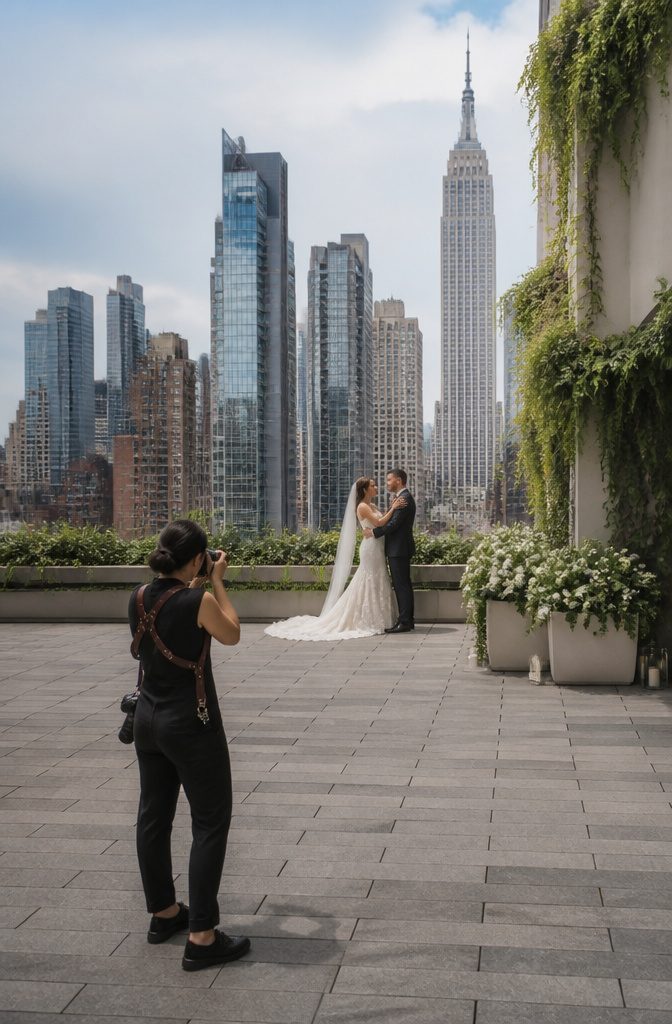
A wedding photographer in Manhattan can charge $7,000 to $20,000 or more for a single luxury event, while the same skill level in a smaller Midwest market might top out closer to the $3,000–$6,500 range most full-time professionals occupy nationally.
The gap is not just about bigger budgets in bigger cities; it is about cost of living and the sheer density of competition.
In New York, Los Angeles, or Chicago, a photographer has to earn more to cover studio rent, second shooters, and the insurance that fullframe premiums demand.
Those overhead numbers force the rate up, but the local wedding economy can bear it because couples there plan with higher averages in mind.
The photographer who tries to import Manhattan pricing to a market where the typical wedding runs under $10,000 will book almost nothing.
Destination markets add a different angle. A photographer based in a place couples fly to, think coastal California or certain mountain towns, can build travel into the package as a premium rather than eating it as a cost.
The trick is that the destination itself has to be the draw; simply being willing to travel does not command the same markup unless the location sells the romance.
Cost of living and competition work against each other in ways that are not always obvious. A high-cost city lets you charge more, but it also means more established photographers are already there splitting the calendar.
A smaller market has less room in each couple’s budget, yet a photographer who dominates that niche can still clear a solid year by owning the local reputation.
The choice between them is less about which market pays more in theory, and more about which one your overhead and network can actually support.
UPGRADED CONSTRUCTION: Portable softbox lighting kit with bulb holder is perfect for portrait, costume, furnishing. Ultimate soften light stream removes shadow to make perfect shooting. The photography softbox kit with backdrops made of polyster fabrics creates a smooth and perfect ambience. The adjustable backdrop stand of the photo shoot kits is the advanced modern design for photography.
【Excellent Soft box with Wide Coverage】Soft box’s inner nylon reflector surface make the light much brighter, while its removable white diffuser made of premium PET fabric can eliminate shadows and make light softer and more uniform, giving you a best shooting experience. Its sturdy locking system make the soft box stable on the tripod during use.

【8.5x10ft Backdrop Support System】The backdrop support system includes three 6x9ft muslin backdrops (black/white/green) and features adjustable backdrop stand with 4 section detachable crossbar.Easily adjust the height from 2.6ft to 8.5ft and an expand the width from 5ft to 10ft-perfect for heavy canvas, muslin, and paper backdrops. Ideal for studio portraits, product photography, and 4K video shoots.
Experience and Skill Set
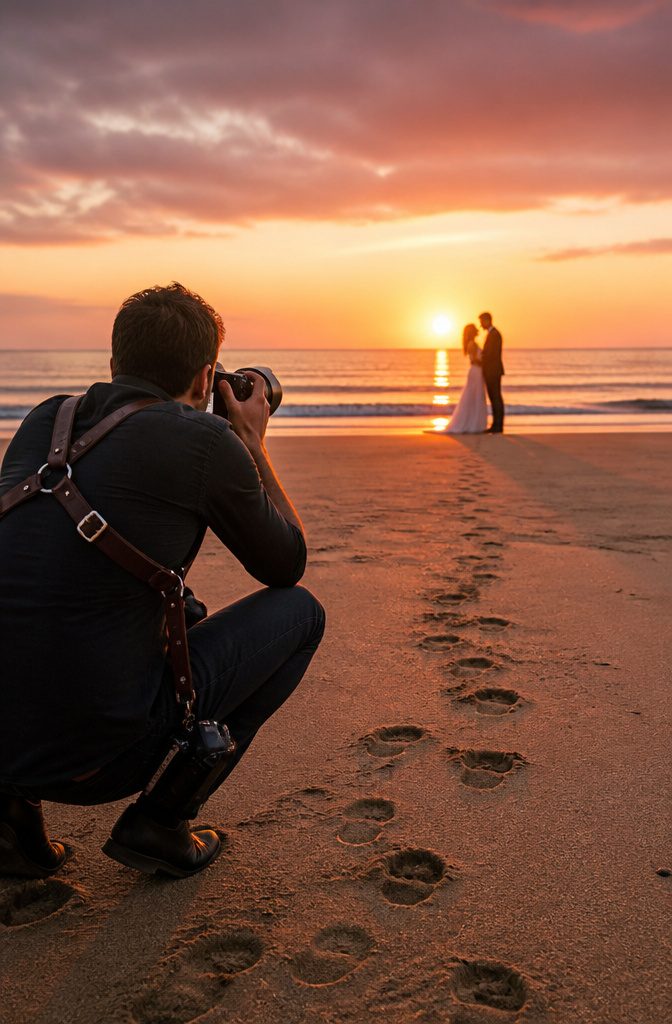
Technical ability alone does not set rates. Early in my own research, I kept finding photographers who shot sharp images yet charged half what others did for galleries that felt flat.
The difference was consistency across an entire wedding day: ceremony exposure, reception color balance, skin tones in mixed light.
A photographer who delivers that predictably can raise prices gradually as demand grows, because couples booking at $4,000 do not want to discover their photographer’s "off day" in the final gallery.
Editing style works the same way. A recognizable look, refined over years, attracts better-fit clients rather than simply more clients.
The photographers I noticed growing their income year over year had stopped trying to match every Pinterest trend. They had also streamlined the back end.
Culling and editing consumes 10–20 hours per wedding, which caps income at available hours unless workflow improves. Those who cut that time without sacrificing consistency opened capacity for more bookings or higher rates, not both at a cost to quality.


Camera Design: A camera and lens motif celebrates the craft of photography, giving this keychain a personality that resonates with portrait, wedding, nature and hobby photographers alike

CINEMATIC GLOW WITH CONTROL: Create a polished film-like look by softening harsh highlights, lowering contrast, and adding a subtle warmth that enhances skin tones while maintaining natural image detail and dimensionality with the Black Pro Mist Filter
Weddings Per Year
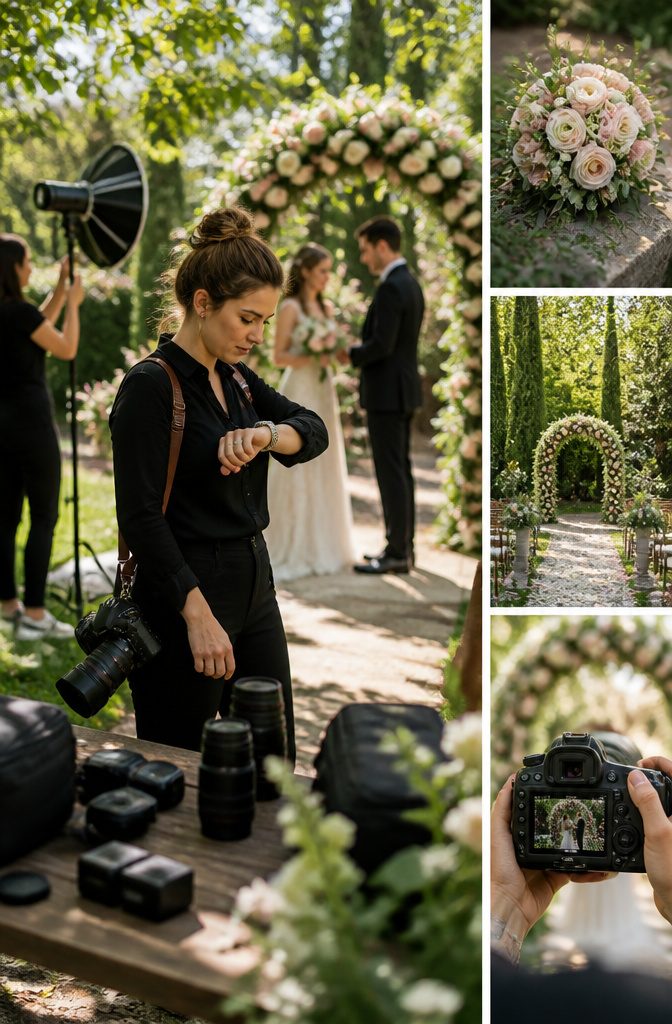
Full-time wedding photographers usually book 15 to 30 weddings a year, and that number alone reshapes everything else about their income.
At $3,000 per wedding, twenty events lands you around $60,000 annually; push that to thirty and you are near $90,000 before expenses. Some high-volume operations run even harder, stacking 40 to 60 weddings into a season, but that pace trades money for body and mind.
I have watched photographers burn out after three years of back-to-back Saturdays, their editing queues swelling into winter, their creative eye going flat from sheer repetition.
The math only works if the per-wedding rate holds. A photographer charging $1,800 in a smaller market needs closer to twenty weddings just to hit $36,000, while someone at $6,000 can earn more from half the events.
Volume also collides with quality of service; the couple getting your fourteenth exhausted weekend of the year does not receive the same attention as the couple from your fresh April opener.
Most established professionals I have seen settle into that 15 to 25 wedding band, enough to live on and still have a life worth photographing.
Backup camera with strong waterproof function. It designed with fully sealed glue filling craft, you no need to worry about water, fog or mist inside. Caution: please separately order a suitable harness to complete installation if connect it to a factory radio/screen
LED Night Vision Car Vehicle Front /Rear View / Side View Camera. Eliminating dangerous blind spots. Protect your car around of Kids and little pets.

【Quick Install】Set up your car backup camera system in just 10 minutes with a simple two-step process: ① Connect the camera and monitor using the provided 4-pin video power cable. ② Plug the reverse camera system into a cigarette lighter or USB port (not included) for instant use, or link it to the reversing lights for automatic activation when reversing.
Workflow Efficiency
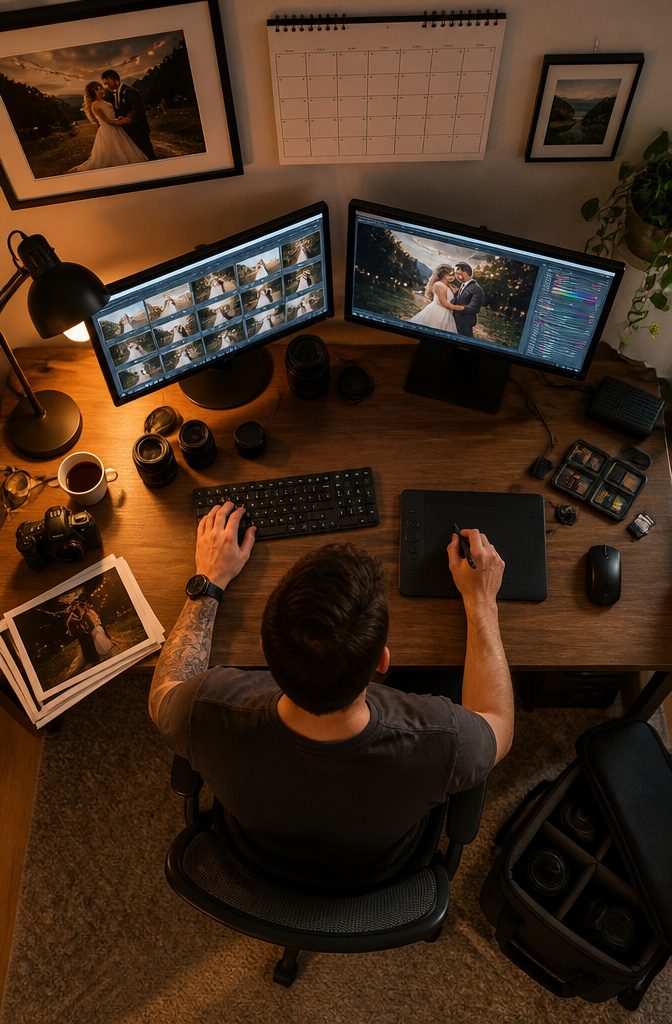
The hours you spend culling and editing after the wedding are where your real hourly rate gets decided.
A $4,000 package sounds healthy until you divide it by thirty total hours of shooting, travel, communication, and hand-editing every frame; that math lands near $133 an hour, which shrinks fast if a single wedding eats two weeks of evenings.
Faster workflow changes the entire equation. Cutting editing time from hours to minutes with AI-assisted tools, or with any streamlined system, lets the same photographer book more weddings in a season without proportionally more calendar time.
The bottleneck was never the Saturday itself; it was every Sunday through Thursday spent in post.
Speed there raises effective hourly income and total annual capacity at once, which is why I watch this factor more closely than per-package price when photographers ask how much they can actually make.


Business Expenses
Gross revenue and take-home pay are not even close to the same number, though new photographers often treat them like they are.
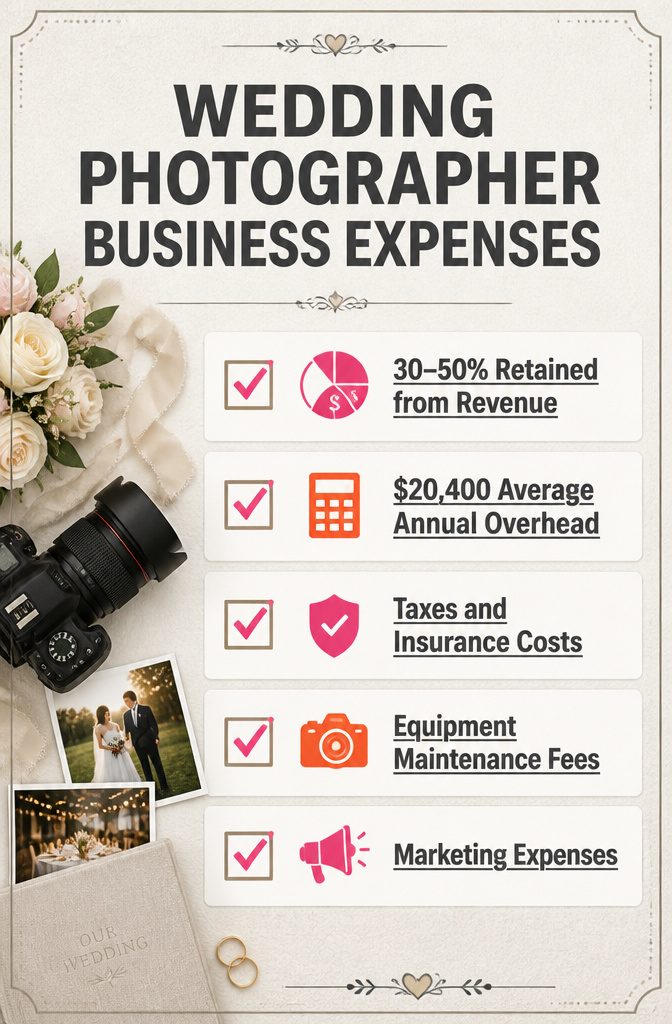
Most photographers keep only 30–50% of gross revenue after expenses; the rest goes to equipment, software subscriptions, insurance, marketing, travel, second shooters, and taxes.
Annual overhead for a working wedding photographer averages $20,400 or more, which means a photographer who grosses $80,000 might realistically clear $24,000–$40,000.
That gap surprises people who are new to the business and price their packages without building in the real cost of staying operational.
Self-employment taxes alone take a significant bite, and inconsistent income makes the math even harder to manage month to month.
The photographers who last are the ones who learned early to quote rates that cover both the shoot and the year-round cost of running the business.
Client Experience and Referrals

A wedding photographer’s income often hinges on something the pricing spreadsheets never capture: whether the couple feels heard before the deposit, and whether the gallery arrives when promised.
Faster delivery drives referrals in ways that are hard to quantify but easy to spot in a booking calendar. One season of slow turnarounds can stall growth for two years.
Word-of-mouth is the trust engine in a purchase this personal. No couple sorts photographers by who has the best lens; they ask who made their friends feel calm, seen, and delivered on time.
That referral chain is what separates a photographer who books twelve weddings at rising rates from one who scrapes for six at the same price three years running.
The work of building it is mostly invisible. It is the thirty-minute call to walk through the timeline, the proof gallery that lands Tuesday instead of Friday, the thank-you note that mentions the maid of honor by name.
Each small reliability stacks into a reputation that outlasts any ad budget. Neglect it, and even technically perfect images struggle to find their next client.
What Net Income Actually Looks Like
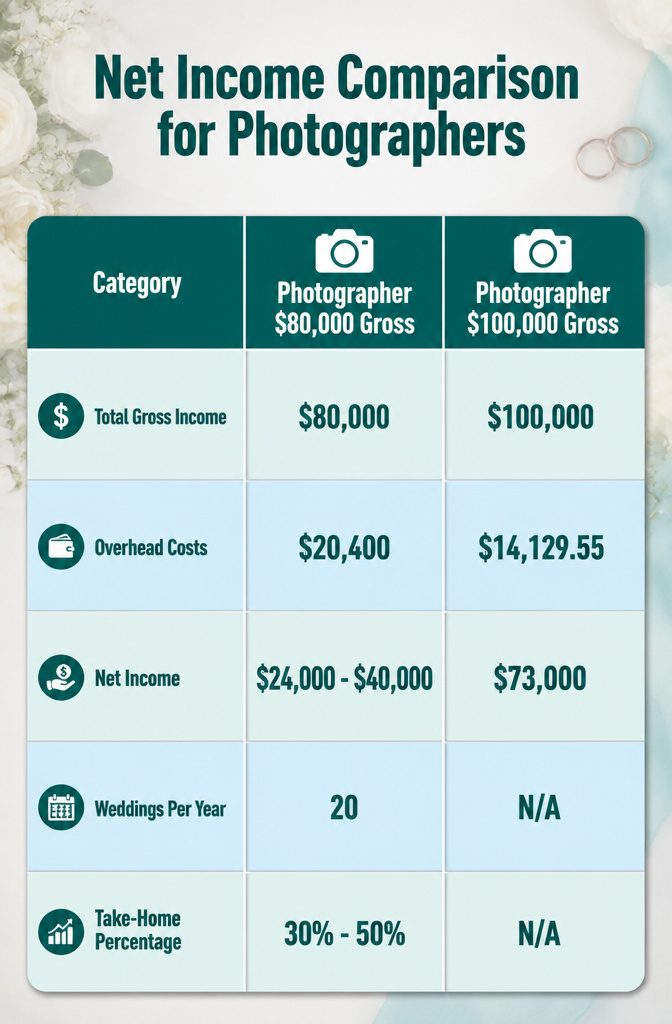
A photographer charging $4,000 for 20 weddings pulls in $80,000 gross, which sounds solid until the business math starts.
Overhead runs about $12,000 annually for the basics, though gear replacement and wedding show marketing push that higher. Add roughly $20,400 in combined overhead and tax obligations, and the picture changes fast.
Most photographers keep only 30–50% of gross revenue after expenses, which on $80,000 means netting somewhere between $24,000 and $40,000. The slow season gap matters too: those 20 weddings rarely spread evenly across twelve months, so cash flow crunches between fall and spring are typical.
Self-employment tax hits quarterly, equipment fails without warning, and the $99 shooters flooding markets like Orlando keep downward pressure on rates.
The $100,000 earner paying $14,129.55 in federal and state taxes plus overhead still clears around $73,000, but that tier demands high demand and a strong market.
For most, the realistic take-home is modest, and the budget-versus-dream trade-off applies to the photographer’s own books just as much as to the couple’s.
When I Hired Mine

I paid $2,200 for my wedding photographer back in 2019, which landed squarely in that emerging tier between $1,500 and $2,500. For that price I got eight hours of coverage, a second shooter during the ceremony, and an online gallery with about 400 edited images.
What I did not get was an engagement session, which would have run another $400, or any printed products.
The contract also capped revisions at two rounds, a limit I bumped against when the color grading came back warmer than I had wanted.
Looking back, the real gap was in the backup gear discussion. I asked whether they had secondary camera bodies, and they said yes.
I did not ask what those bodies were. After reading what working photographers actually carry, I now know the difference between a pro’s $3,000 Sony a7iii and a $500 starter body matters enormously if the main camera fails mid-ceremony.
At $2,200 I was not in luxury territory, but I was close enough to professional rates that I should have verified the backup was professional-grade too.
If I were doing it again, I would spend the same amount but negotiate differently: trade one hour of coverage for explicit gear confirmation in writing, and budget separately for prints rather than hoping to add them later at album prices.
Frequently Asked Questions
How much do wedding photographers make?
A wedding photographer in the United States typically earns between $40,000 and $150,000 annually, with the national mean around $63,774.
Part-time photographers shooting weekends cluster toward the lower end, while full-timers with consistent bookings often push past $80,000. Top professionals with established reputations clear $150,000.
What factors affect a wedding photographer’s income?
Three factors matter most: years of experience, geographic market, and business efficiency. Location shapes what couples will pay, experience determines per-wedding rates, and workflow efficiency controls how many events a photographer can handle without burning out.
Business expenses also eat 50–70% of gross revenue, so pricing must cover year-round overhead, not just shoot days.
How many weddings do photographers typically shoot per year?
Full-time wedding photographers usually book 15 to 30 weddings annually. At $3,000 per wedding, twenty events yields roughly $60,000 gross; thirty events nears $90,000.
Some high-volume operations stack 40 to 60 weddings, but that pace risks burnout and declining quality. Most established professionals settle into 15 to 25 weddings, enough to live on while preserving creative energy.