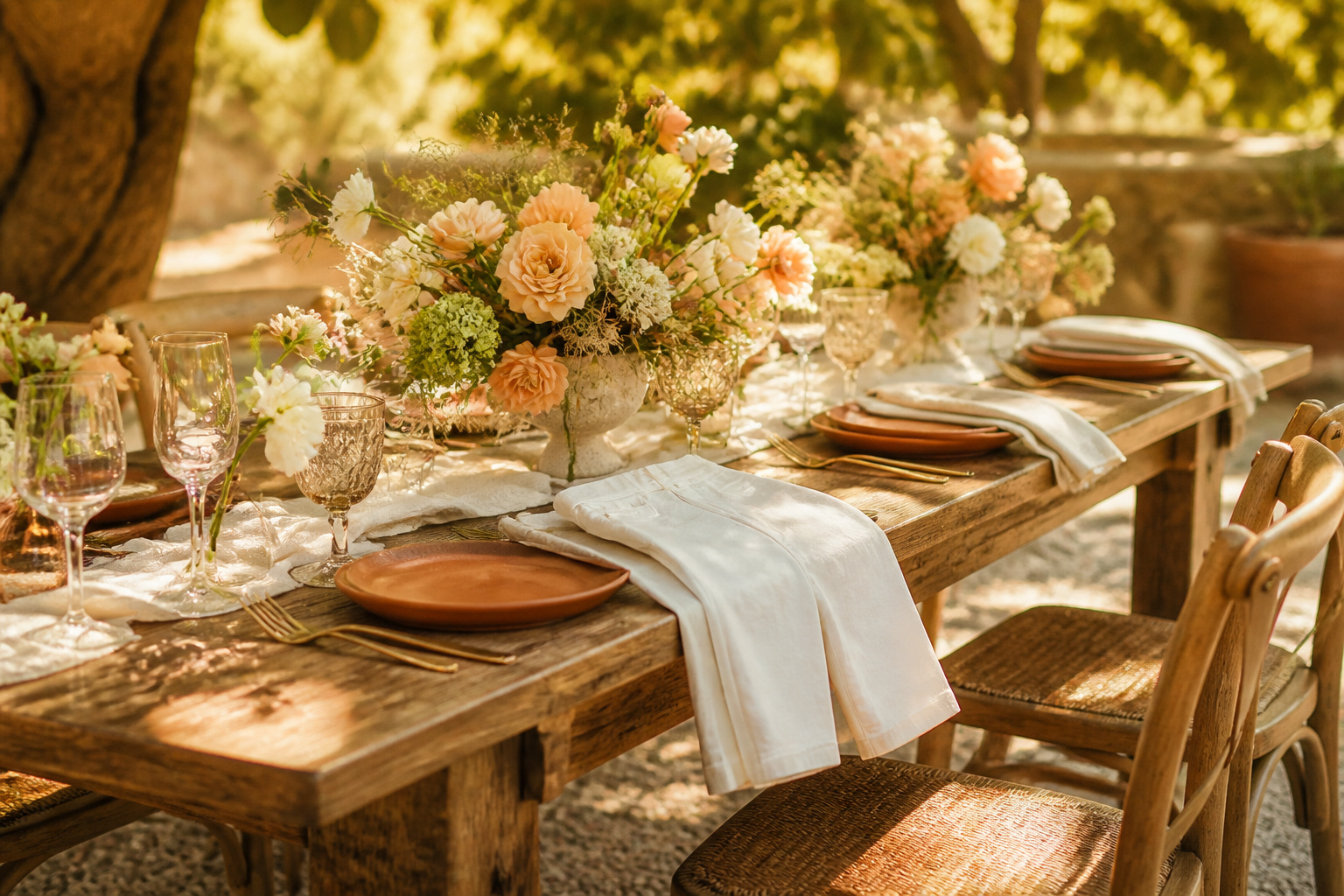
White pants at a wedding are a hard no unless the couple explicitly asks for them. The exception is an all-white dress code on the invitation, where solid white becomes safer than any floral print that might echo the bride.
Vogue put the standard rule plainly: abstain from white pants, even if a white button-down underneath your jacket is perfectly acceptable.
1. Can You Wear White Pants to a Wedding
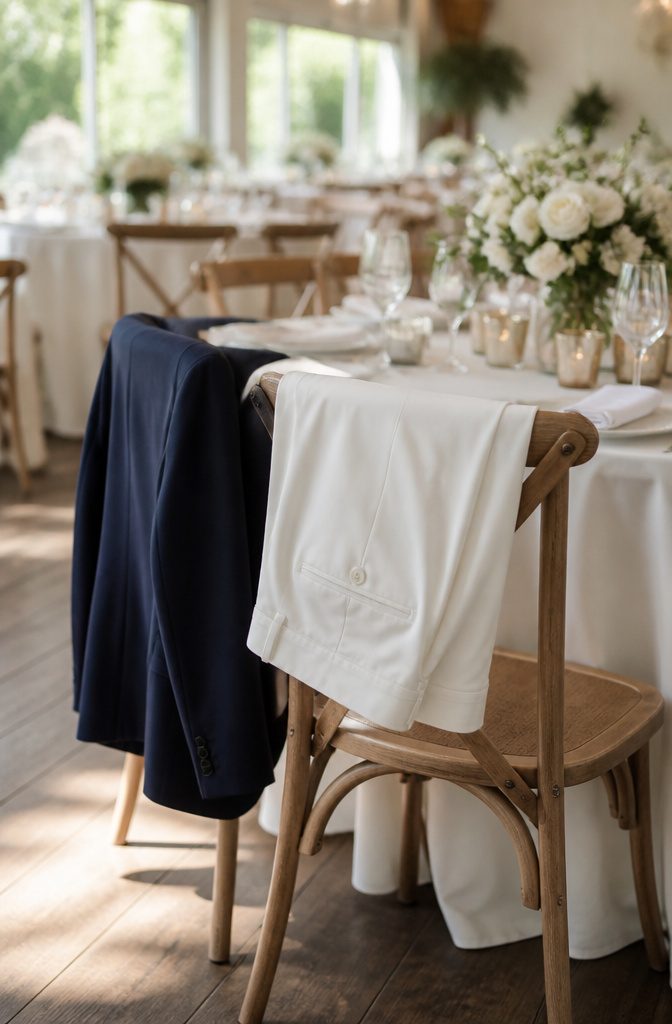
Wearing white pants to a wedding is generally discouraged unless the couple has specified otherwise, though a contrasting top can sometimes soften the look.
The traditional rule runs deep: white is reserved for the bride, and nine out of ten invitations won’t mention this because it should be common knowledge.
The unspoken agreement among guests is that the only person in white should be the one walking down the aisle.
Vogue put this plainly for anyone hoping the rules bend for separates:
"The simple answer is ‘no,’ unless the invite calls for it… While you should abstain from wearing a white jacket or pants, a white button down is allowed."
That distinction matters if you are piecing together a suit.
A white dress shirt under a navy or charcoal jacket reads classic; white pants, even with a bold top, still draw the eye in a way that competes with the bride.
The safest move is to save anything white from the waist down for the rehearsal dinner or the after-party, not the ceremony itself.

STYLING: A lightweight essential for refined separates dressing, these silky chiffon pants offer effortless flow and all-day comfort. Crafted with moderate stretch, the airy fabric creates a soft, elongating silhouette that's perfect for daytime events, warm-weather celebrations, and elegant evenings. Pair them effortlessly with Alex Evenings blouses and twinsets for a sophisticated, polished look.
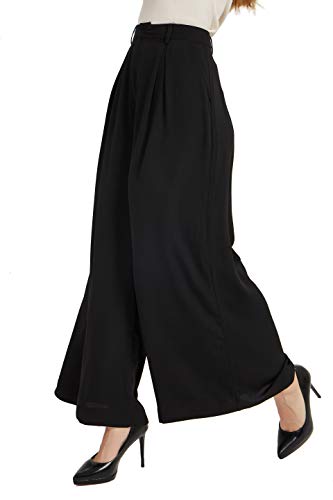
Flowy,Comfy Fabric in Medium Weight much Heavier than Normal Chiffon,Antistatic.

High Quatlity Fabrics: This lightweight grandmother of the groom pantsuits can make you fell elegant & comfortable in events, with breathable chiffon; Please refer to our store for more outfits
2. Traditional Rules on White Attire
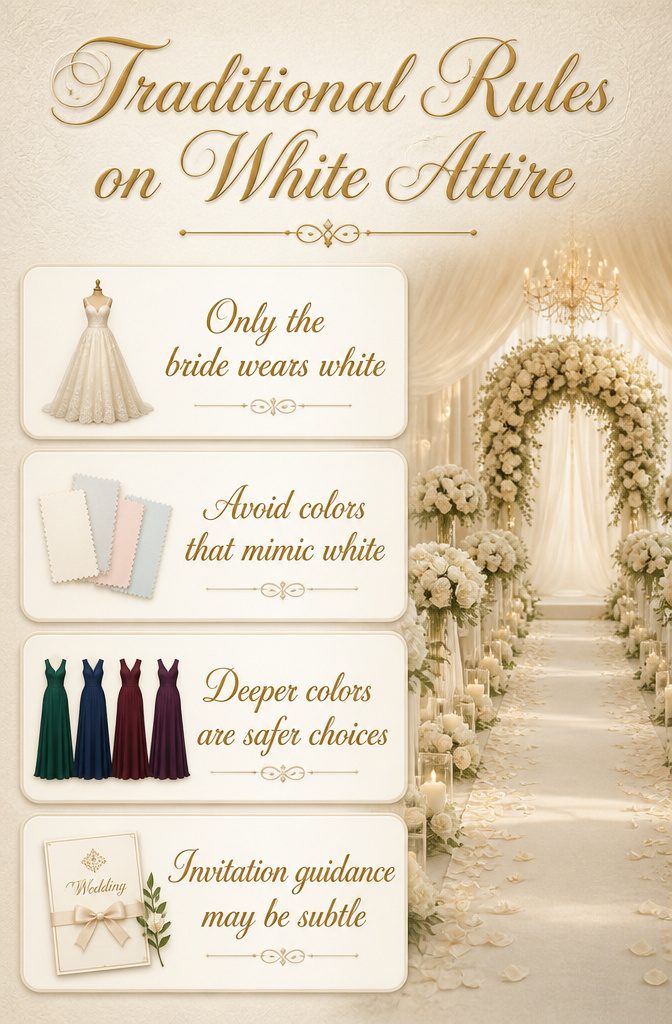
White, ivory, cream, and every shade that drifts close to them belong to the bride.
That boundary exists so guests do not pull focus during photographs or the processional, where a pale figure in the crowd can flatten the visual hierarchy the couple paid to create.
Wedding invitations rarely spell this out; nine out of ten times the card will simply state a dress code or color palette and trust guests to know the unspoken rule.
The same restraint applies to colors that might be mistaken for white under venue lighting.
Ultra-pale yellow reads as ivory, light silver turns white in direct sun, and blush or ice blue can wash out to near-nothing in bright rooms. Deeper, more saturated colors are the safer play when the invitation leaves any ambiguity.
If the couple is running an all-white wedding and explicitly asks every guest to arrive in white, the rule flips. Absent that direct request, the default holds: let the bride own the light end of the spectrum for the day.

Linen Material: Men beach 2 piece outfits are made of linen blend fabric. Soft, breathable and easy to the touch, stay cooler, relaxed fit on a hot summer day

Natural Cotton-Linen Fabric: Crafted from a plant-based 80% cotton + 20% linen blend. Soft, breathable and lightweight, it wicks moisture for all-day freshness and is machine washable

Cotton Linen Material --- Mens casual linen pants made of soft and skin-friendly 80% cotton + 20% linen blend fabric, lightweight, stretch and breathable, keeping you stay fresh and cool for all-day wear.
3. When White Pants Work Anyway
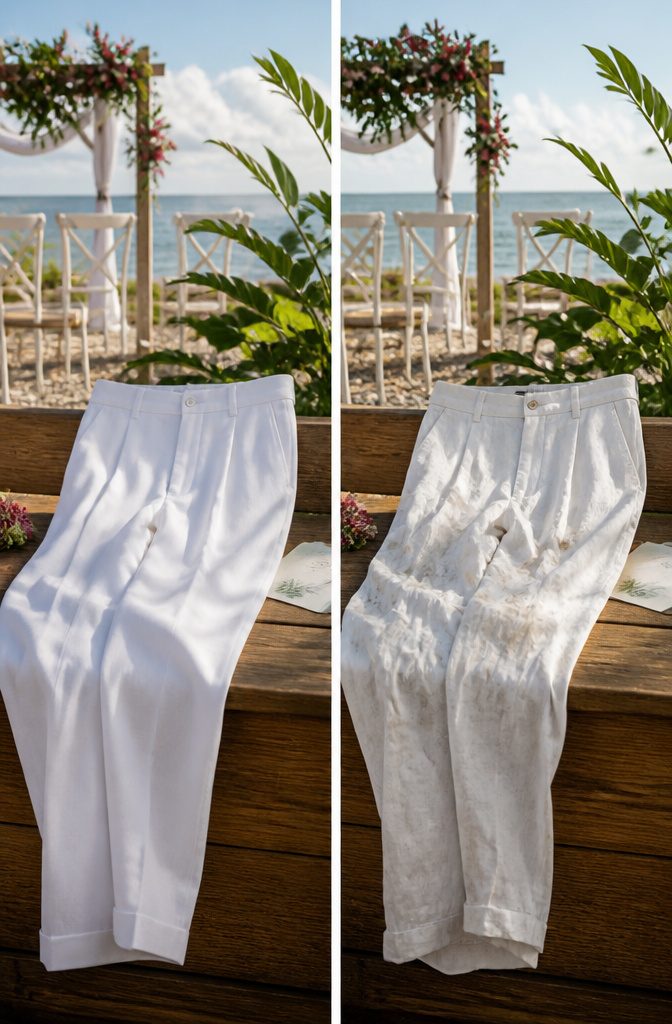
Some weddings have relaxed the old rule so much that white pants are not just allowed but expected.
Beach and outdoor ceremonies usually run on a looser dress code, and a pair of white linen pants fits the airy, sunlit setting better than anything dark and formal.
I have seen invitations that practically encourage it, especially when the couple wants that clean, coastal look in every photo.
Themed weddings can flip the rule entirely. An all-white dress code on the invitation means you show up in solid white head to toe, not a floral print that might clash with what the bride is wearing.
Garden and outdoor venues come with one warning though: grass stains and mud turn white pants into a risk that crisp tailoring will not survive.
A white button down sits in a different category entirely. Depending on the dress code, it is often encouraged, even when white pants or a white jacket would draw a hard stare.
The shirt reads as classic, not competitive. That distinction has saved more than one guest from an awkward outfit choice, and it is the first thing I check when the invitation lands.

FEATURES: Women’s Pants / Dress Pants Women / Casual Pants For Women / Tapered Trousers Women / Zipper Closure / Elastic Back Waist / Front Pleated Design / Side Pockets / Decorative Button Leg Opening / Lightweight / Stretchy Soft Material / Loose Fit

Timeless Design: Embrace classic sophistication with these suiting pants featuring a flat front and a slight flare leg, offering a timeless silhouette that never goes out of style.
STYLING: A lightweight essential for refined separates dressing, these silky chiffon pants offer effortless flow and all-day comfort. Crafted with moderate stretch, the airy fabric creates a soft, elongating silhouette that's perfect for daytime events, warm-weather celebrations, and elegant evenings. Pair them effortlessly with Alex Evenings blouses and twinsets for a sophisticated, polished look.
4. How to Wear White Without Upstaging
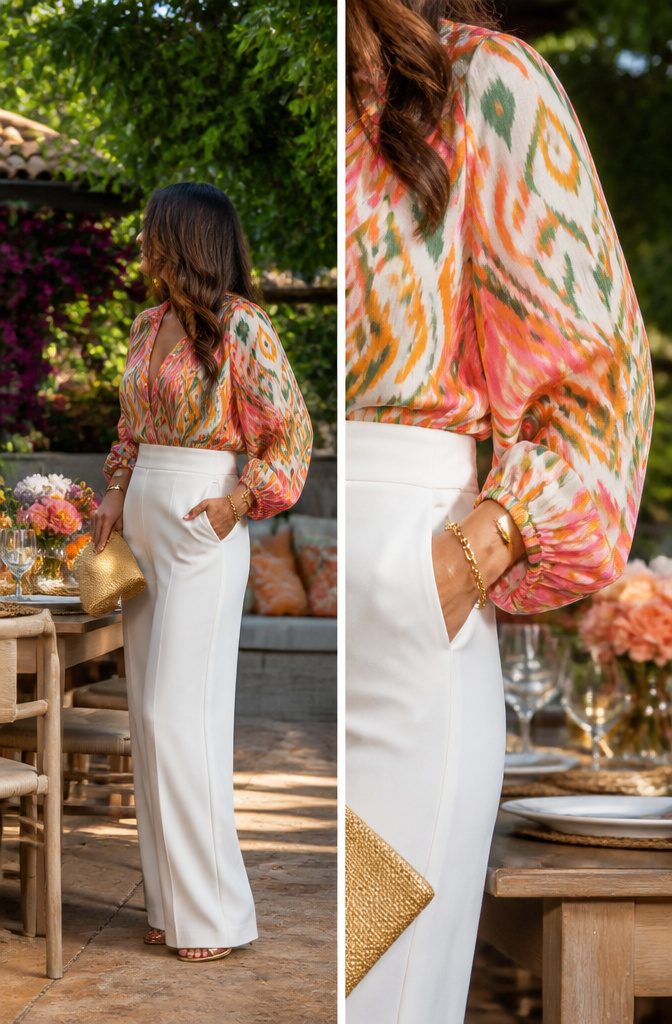
White pants at a wedding only become a problem when they read as a full bridal look.
The fix is contrast: pair them with a bright or boldly patterned top so no one mistakes you for the bride slipping into her reception outfit.
A cream blouse or light pink shell risks the same clash, since both can photograph white under venue lighting.
For men, white works best as an accent rather than the statement. A white dress shirt under a navy or charcoal suit keeps the look classic without competing.
Cufflinks or a boutonniere in white add polish without drawing the eye across the room. The one exception where white dominates for men is the white dinner jacket, a warm-weather formal staple traditionally worn with black trousers.
It is specific, sophisticated, and expected at tropical or coastal black-tie events, so it signals occasion rather than imitation.
The line is simpler than the anxiety suggests. If your white is clearly serving another color or a recognized formal convention, you are not upstaging anyone.

Stain Shield: Our regular fit shirt suitable for a variety of Formal/Casual/ Business/Wedding/Party/Club/Dating, the mens dress shirts are made of 70% cotton material, Soft, skin friendly and breathable, special process makes the shirt waterproof, blocking stains still maintain good breathability.Waterproof and Stain resistant and keep you look pristine all day without worring the accident spills

WRINKLE FREE: Developed for less wrinkles and easy care

Worry-free spread collar includes sewn-in collar stays for a crisp look even without a tie
5. Checking the Invitation and Venue
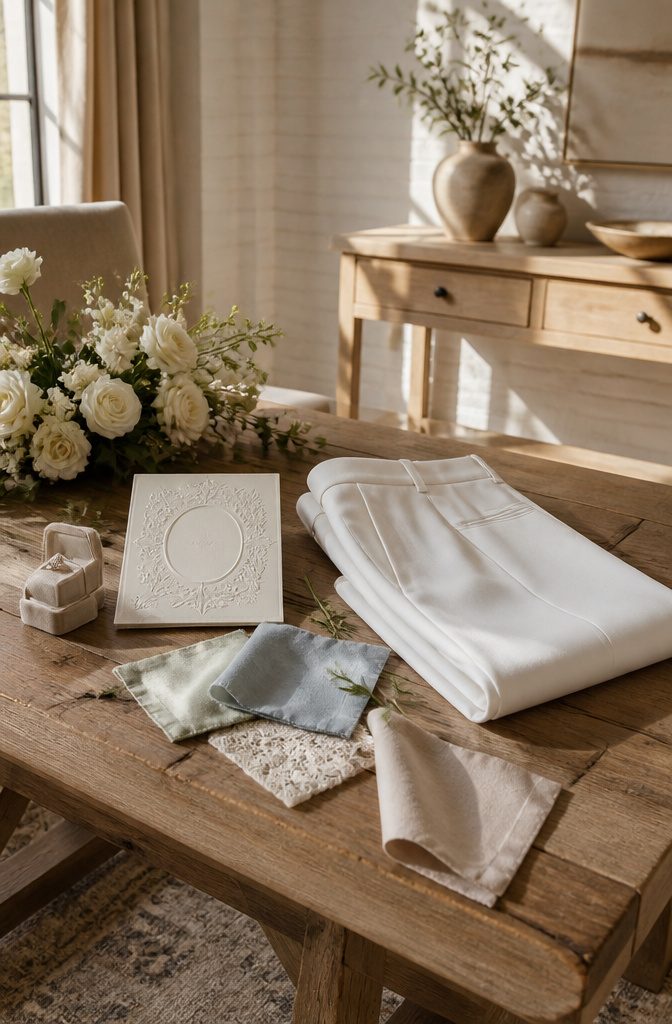
The invitation is your first real clue. Most couples won’t spell out "no white," since that rule is treated as common knowledge, but the card or wedding website will usually list the dress code, the theme, or even suggested colors.
A formal evening wedding reads differently than a casual daytime one, and that context matters when you’re holding a pair of white pants.
A stated all-white dress code gives you clear permission, and in that case solid white is actually safer than a floral print, since prints are more likely to echo what the bride chose.
Beach and outdoor weddings lean more forgiving for white attire generally. Garden weddings, though, present a practical problem: grass stains and mud make white pants a risky choice regardless of etiquette.
Destination weddings follow their own logic. The heat and setting push toward lighter colors, but the couple’s stated vision still wins.
When the invitation mentions a modern or contemporary theme, white pants can fit the clean aesthetic. Traditional or formal settings without a specific prompt?
Skip them. If the couple went to the trouble of a mood board or attire suggestions, treat that as the answer and build from there rather than guessing.

【Material:】This cap short sleeve top is made of 100% polyester. It is a lightweight, soft, breathable, delicate-textured fabric, and suitable for summer, spring, and autumn wear. Notice:The wrinkled texture of Zeagoo women's tops is an inherent feature of the fabric, not artificial wrinkles.

REGULAR FIT: Close but comfortable fit through chest, waist, and hips.

Soft comfy material: 3/4 length sleeve womens tops is made of 95%Polyester 5%Spandex, which is stretchy, breathable and comfortable
Cultural Differences to Know
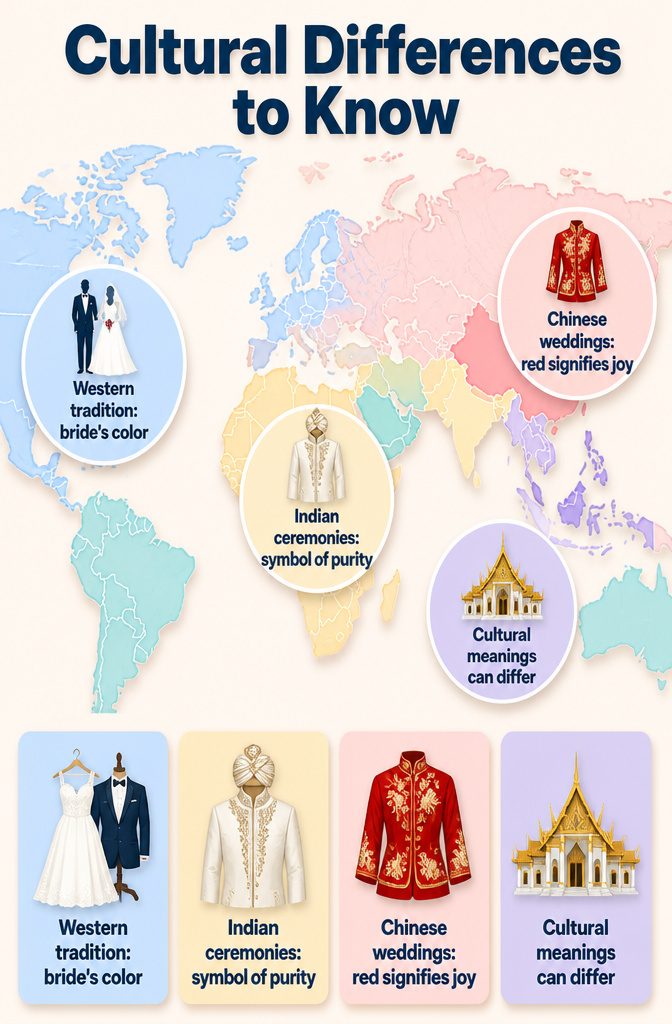
Western tradition treats white as the bride’s exclusive territory, but that rule loosens the moment you step outside it.
In some Indian, Middle Eastern, and Southeast Asian ceremonies, grooms wear white or ivory as symbols of purity and new beginnings, and the color carries no automatic claim of bridal status.
White can be appropriate and even respectful at a culturally rooted wedding if it aligns with the couple’s customs rather than contradicting them.
The catch is that white shifts meaning entirely depending on where you stand. At a Chinese wedding, red belongs to the bride as the color of joy and luck, while white in Indian tradition signals mourning, not celebration.
Guessing based on a single rule of thumb is how guests end up misaligned with the actual tone of the event.
When the invitation hints at cultural elements you do not fully understand, a quick, direct question to the couple or a family member beats any etiquette shortcut. If you remain uncertain, cream or subtle white accents stay the safer path.

High Quatlity Fabrics: This lightweight grandmother of the groom pantsuits can make you fell elegant & comfortable in events, with breathable chiffon; Please refer to our store for more outfits

Premium Material: Disaur's toddler boy dress outfit made of 95% cotton & 5% blend, which is soft, breathable, comfortable to wear. It's skin friendly for your little dube.

【Flowy Chiffon Fabric】These chiffon pants are crafted from a lightweight, breathable blended fabric with a soft, smooth feel. The airy chiffon material drapes naturally, making them comfortable for warm weather and all-day wear.
Season and Setting
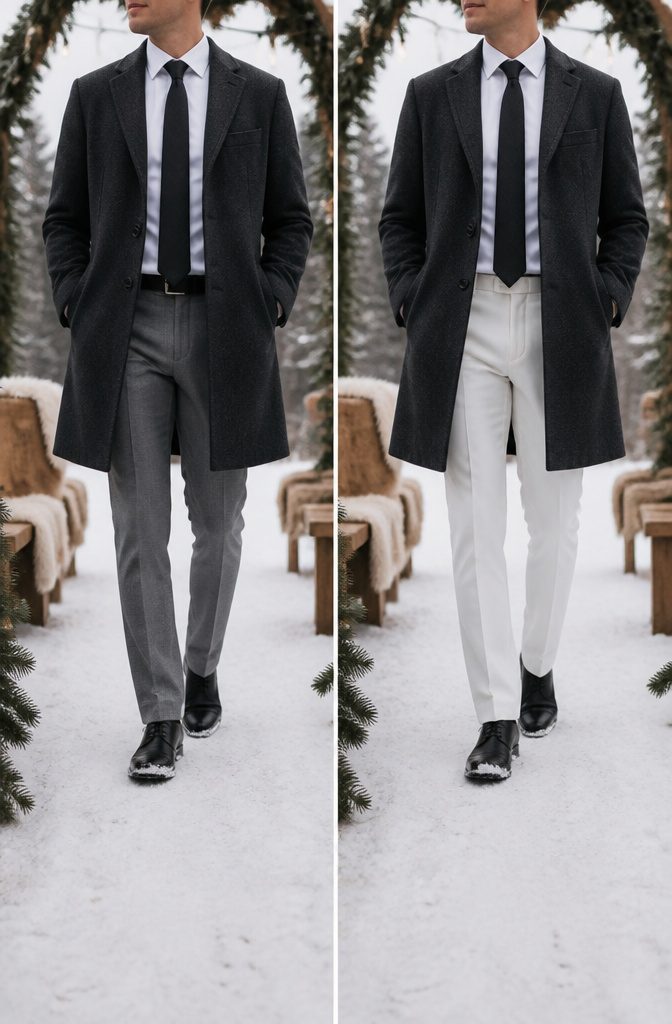
Lighter colors, including white, tend to feel more acceptable in spring and summer simply because that is when they naturally appear in everyone’s wardrobe anyway.
The warm months carry a useful parallel in formal dress codes: the white dinner jacket, which is a classic and sophisticated choice for warm-weather formal events, especially those held in tropical or coastal locations.
That jacket is traditionally worn with black trousers, not white, but the principle still holds that white reads as seasonally appropriate rather than deliberately attention-seeking when the weather justifies it.
Winter weddings flip the same logic. White pants in December or January look like a conscious choice to stand out, because nothing in the setting explains them.
The eye goes straight to the one person dressed for a garden party while everyone else is in wool and navy.
Summer settings make white pants look like you checked the weather; winter ones make them look like you checked the bride. If you are already unsure about the etiquette, the season is the first filter to apply.

【Summer Essentials】Mens two piece outfits sets marks the beginning of a happy summer holiday!

Natural Cotton-Linen Fabric: Crafted from a plant-based 80% cotton + 20% linen blend. Soft, breathable and lightweight, it wicks moisture for all-day freshness and is machine washable

Luxurious Material: Experience comfort and style with this leisure set made of high-quality vertical stripe fabric. Soft, breathable, and skin-friendly, it's perfect for a relaxed yet fashionable look during spring,summer and autumn seasons
What to Wear Instead
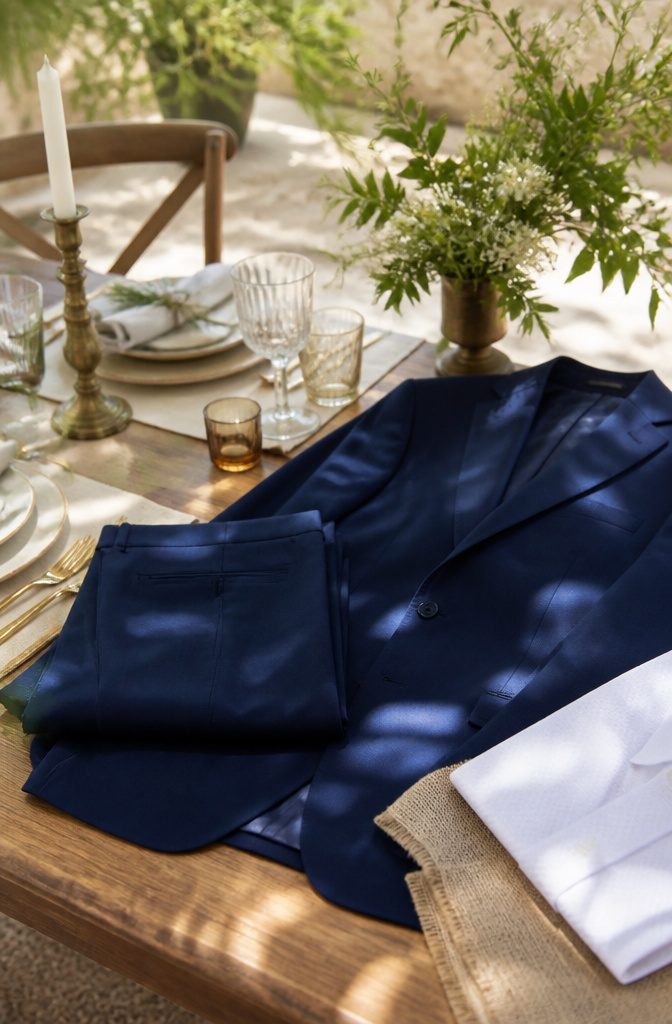
Swapping out white pants for a darker or earth-toned bottom solves the problem without much thought. Here is what actually works in each situation:
- Navy or charcoal dress pants carry you through formal and semi-formal weddings without anyone second-guessing your choice. I have worn navy to three summer evening receptions and never felt out of place.
- Tan chinos fit outdoor and daytime weddings where the dress code reads casual or cocktail. They read as intentional, not like you grabbed work khakis on the way out.
- Olive trousers bridge the gap when the invitation says "creative black tie" or the wedding lands in early fall. The color is dark enough to avoid any white-attire confusion but still stands apart from the sea of navy.
- A white top with a dark bottom reads as standard guest attire; the eye settles on the jacket or shirt and moves on. Flip that to white pants with a dark top and the lower half becomes the focal point, which is exactly the visual weight white carries at a wedding.

TAILORED STRETCH FABRIC: Refined nylon-elastane blend with four-way stretch and strong recovery for breathable, cool-touch comfort and a clean, tailored look.

STYLING: A lightweight essential for refined separates dressing, these silky chiffon pants offer effortless flow and all-day comfort. Crafted with moderate stretch, the airy fabric creates a soft, elongating silhouette that's perfect for daytime events, warm-weather celebrations, and elegant evenings. Pair them effortlessly with Alex Evenings blouses and twinsets for a sophisticated, polished look.

High-rise waist
Frequently Asked Questions
Can you wear white pants to a wedding?
White pants at a wedding are generally discouraged unless the couple has specifically requested them. A contrasting top can soften the look, but white from the waist down still draws the eye in a way that competes with the bride.
The safest move is to save white pants for the rehearsal dinner or after-party, not the ceremony itself.
What colors should you avoid wearing to a wedding?
Guests should avoid white, ivory, cream, and any shade that might be mistaken for white under venue lighting.
Ultra-pale yellow can read as ivory, light silver turns white in direct sun, and blush or ice blue can wash out to near-nothing in bright rooms. Deeper, more saturated colors are the safer choice when the invitation leaves any ambiguity.
Are there specific weddings where white attire for men is more acceptable?
White attire becomes more acceptable at beach and outdoor ceremonies where the dress code runs looser, and white linen pants fit the airy, sunlit setting.
Themed weddings with an all-white dress code on the invitation flip the rule entirely. A white dinner jacket paired with black trousers is also expected at tropical or coastal black-tie events.
How can a man incorporate white into his wedding outfit without overshadowing the bride?
A white dress shirt under a navy or charcoal jacket reads classic without competing for attention.
White cufflinks or a boutonniere add polish without drawing the eye across the room. The key is letting white serve another color or a recognized formal convention rather than making it the dominant statement.
Does the time of year influence whether a man can wear white to a wedding?
Yes. White pants in spring or summer can look like you checked the weather; in winter they look like you checked the bride.
Summer settings make white appear seasonally appropriate, while winter weddings make it stand out as a conscious choice to pull focus. The season is the first filter to apply when you are already unsure about the etiquette.