
Greek wedding venues start around €10,000 for a small chapel ceremony and can reach €40,000 or more for a Santorini clifftop celebration, with the final cost shaped by guest count and venue type.
Santorini and Mykonos book a year ahead for summer dates, while Crete, Corfu and Rhodes offer more availability and work better for larger guest lists without the same cost per head.
1. Santorini Cliffside Wedding Venue
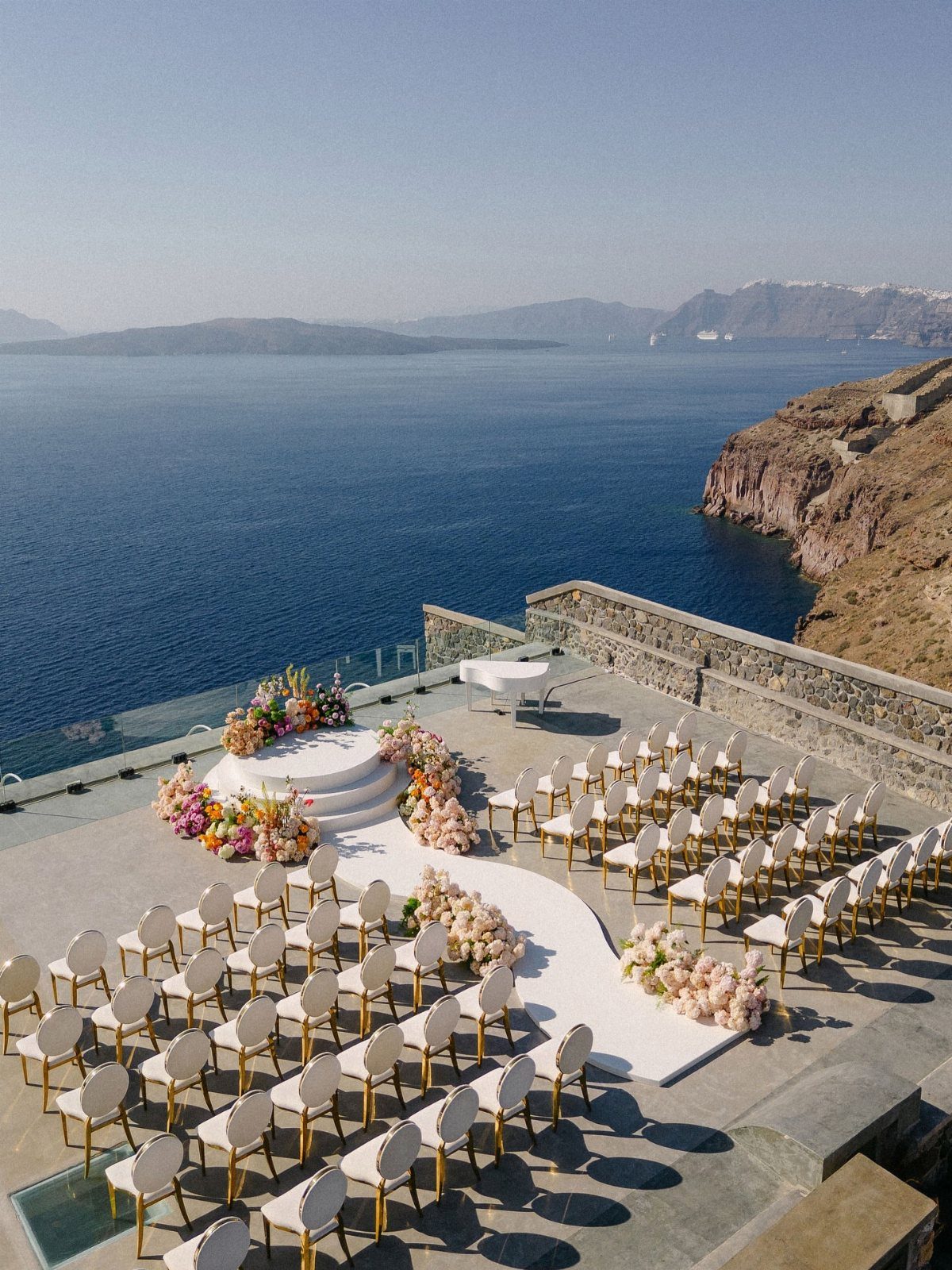
Cliffside venues in Santorini overlook the caldera and frame the Aegean in a way no other Greek island can match.
The ceremony terrace sits hundreds of feet above the water, with volcanic islands and open sea stretching out behind the setup.
Sunset timing matters here.
Ceremonies scheduled for late afternoon catch the best light, but that window fills fast during summer. Book at least a year ahead if your date falls between May and September.
Access is usually steep. Guests climb steps or take narrow paths, so warn anyone who has trouble walking and plan extra time for arrivals.
2. Mykonos Beachfront Wedding Venue
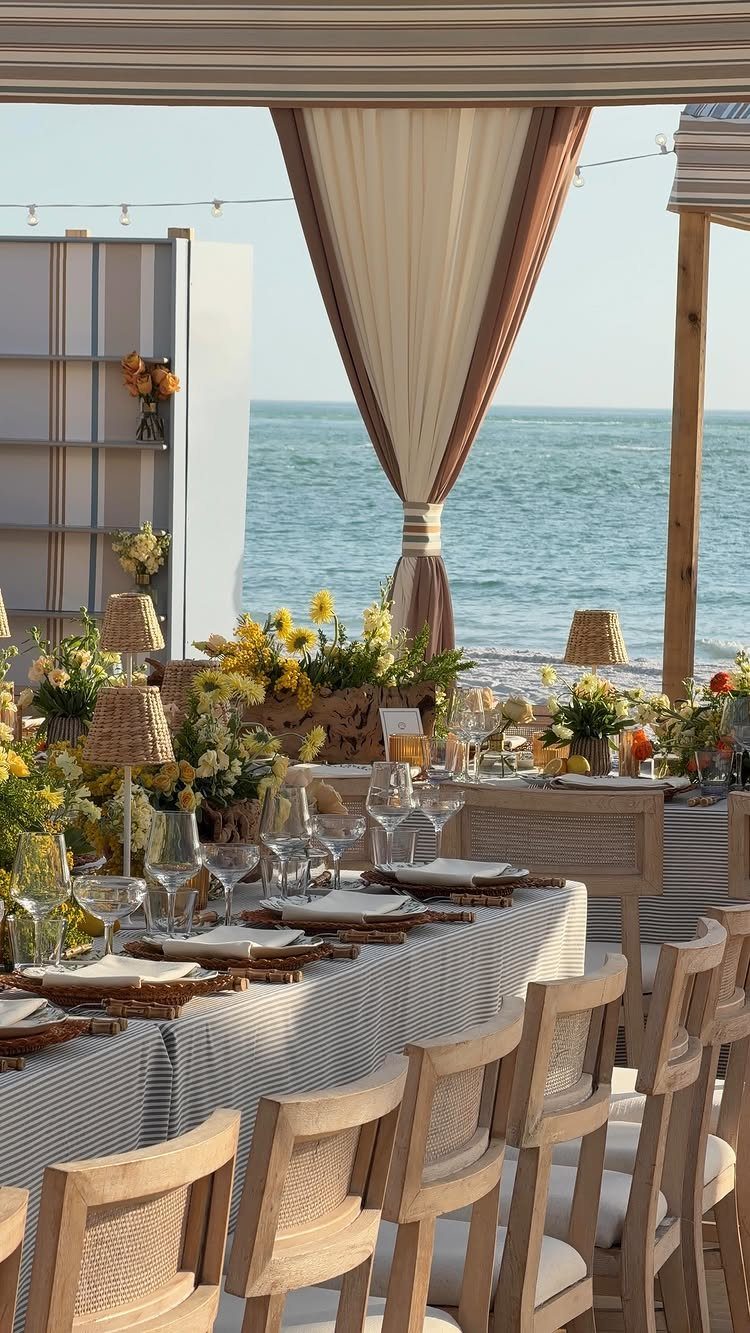
Mykonos beachfront venues put the ceremony and reception directly on the sand or on decking built over it. Open-air dining runs along the shore under fabric canopies that block the midday sun.
Wind is a factor.
Floral arrangements need weighted bases, and table linens should be secured with clips or weighted edges. Sound carries differently over open water, so check speaker placement with your venue coordinator.
Summer dates book early.
Peak season runs June through September, and many beach venues limit weddings to avoid overlap. Expect higher rates during that stretch.
3. Crete Olive Grove Wedding Venue
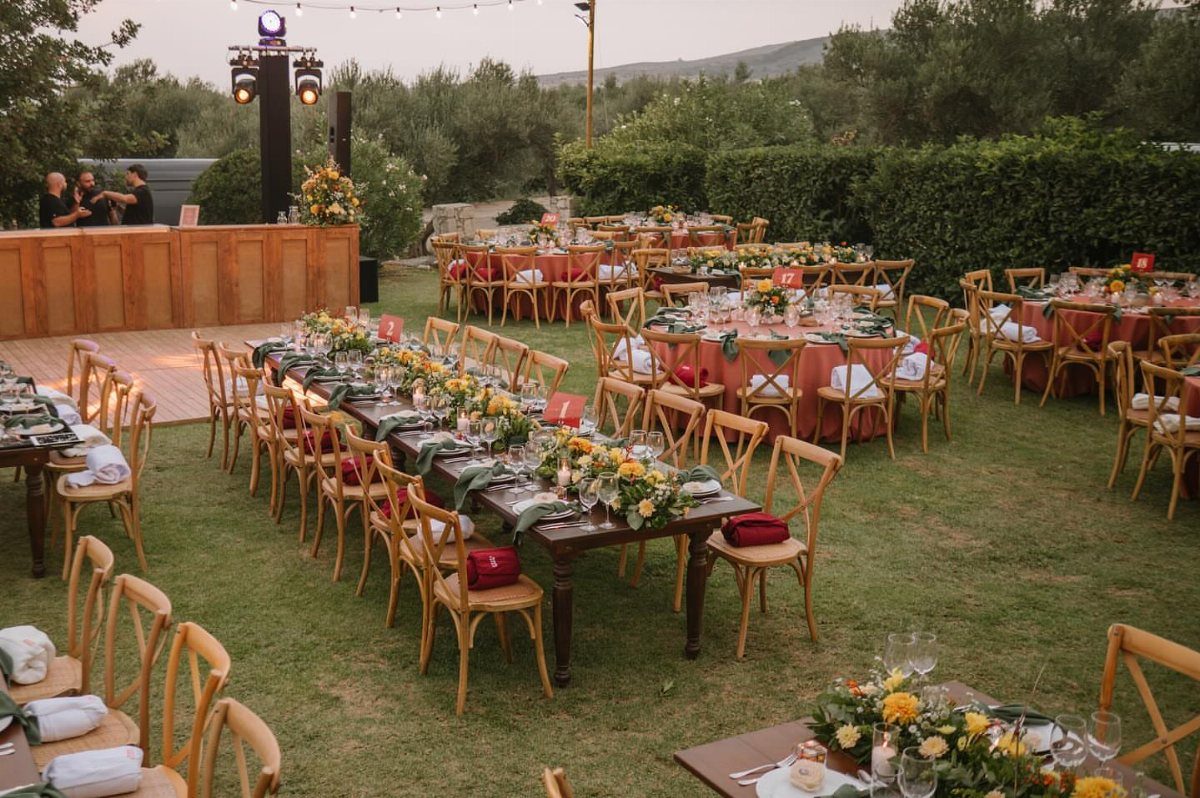
Olive groves in Crete offer a shaded, rural setting with mature trees spread across flat or gently sloped land. The ground is typically grass or packed earth, and the canopy overhead filters sunlight without blocking it completely.
These venues suit larger guest counts.
The open layout accommodates long tables, dance floors, and bar setups without feeling cramped. Some groves include stone buildings or covered pavilions for backup shelter.
Heat in summer can be intense even under the trees. Schedule ceremonies for late afternoon or early evening, and arrange for water stations and fans if your date falls between July and August.
4. Corfu Historic Estate Wedding Venue
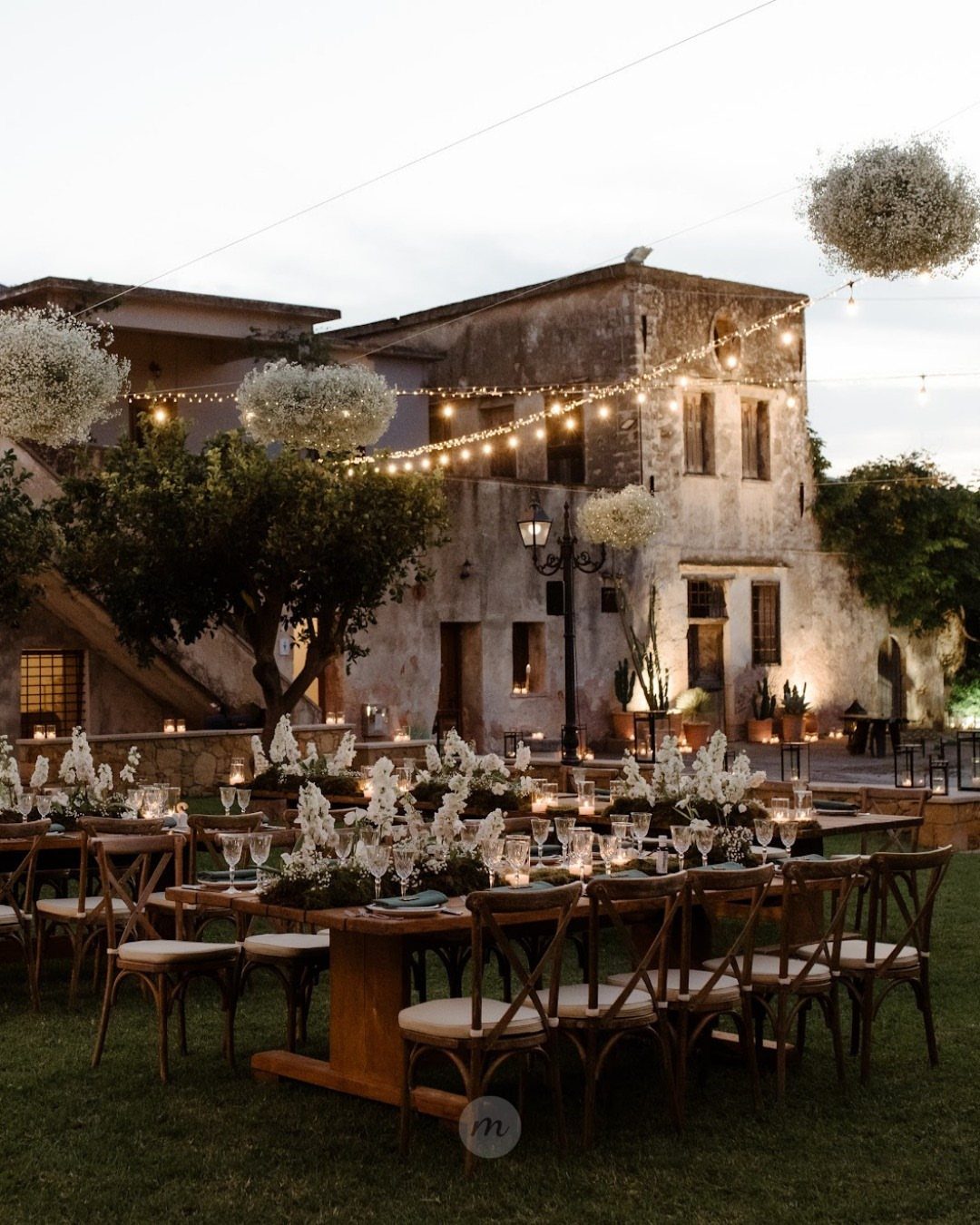
Corfu’s historic estates bring Venetian-era architecture and greener landscapes than the Cyclades. Stone courtyards and lawns give you room for long tables under string lights, and the archways and balconies frame ceremony and reception spaces.
The island gets more rain than Santorini or Mykonos, so venues here often include covered terraces or indoor halls in the package. That makes spring and fall weddings more practical.
Estates with overnight accommodation let you host a multi-day celebration without shuttling guests between hotels. Ask about exclusive use if you want the property to yourself.
5. Rhodes Historic Wedding Venue
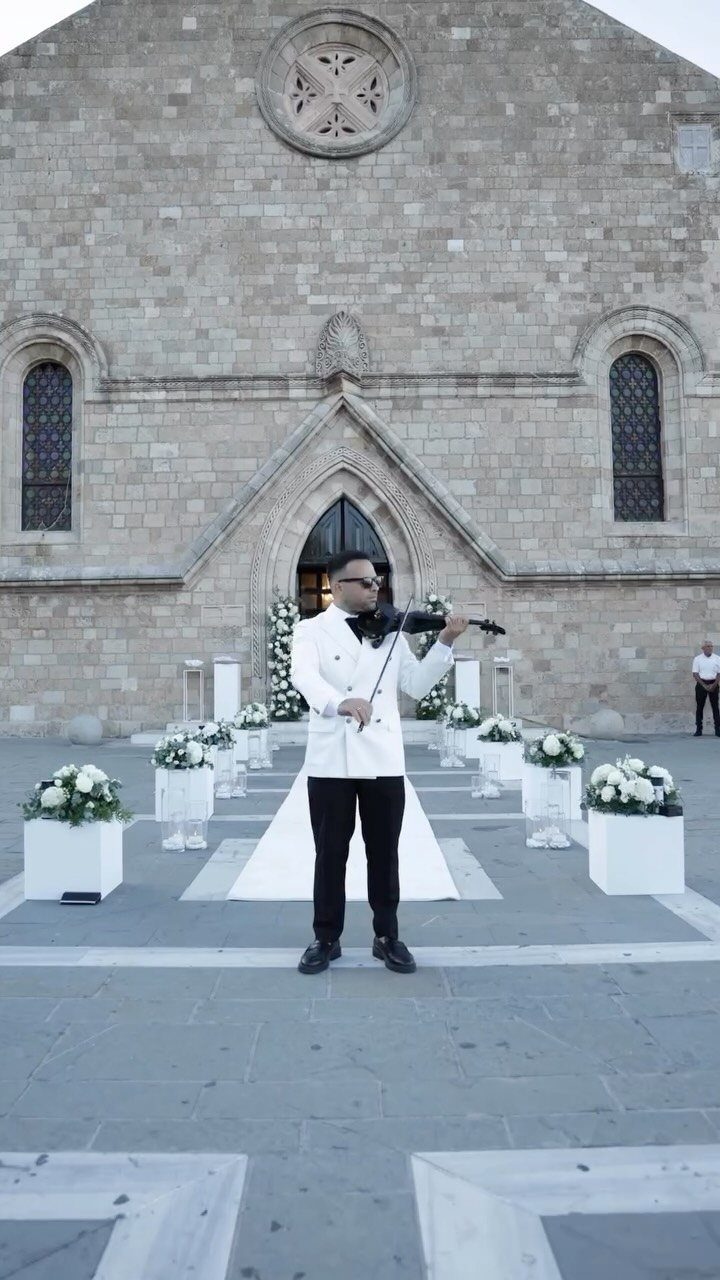
Rhodes combines historic stone buildings with coastal views and a warmer, less rainy climate than the northern islands. Venues here often sit within or adjacent to medieval structures, giving you courtyards, arched doorways, and centuries-old walls as the backdrop.
Guest capacity varies widely. Some historic sites limit numbers to preserve the space, while others open onto lawns or terraces that can hold 100 or more.
Rhodes is easier to reach than smaller islands. Major European cities offer direct flights in season, which helps if you have older guests or a large group traveling from abroad.
6. Amanzoe
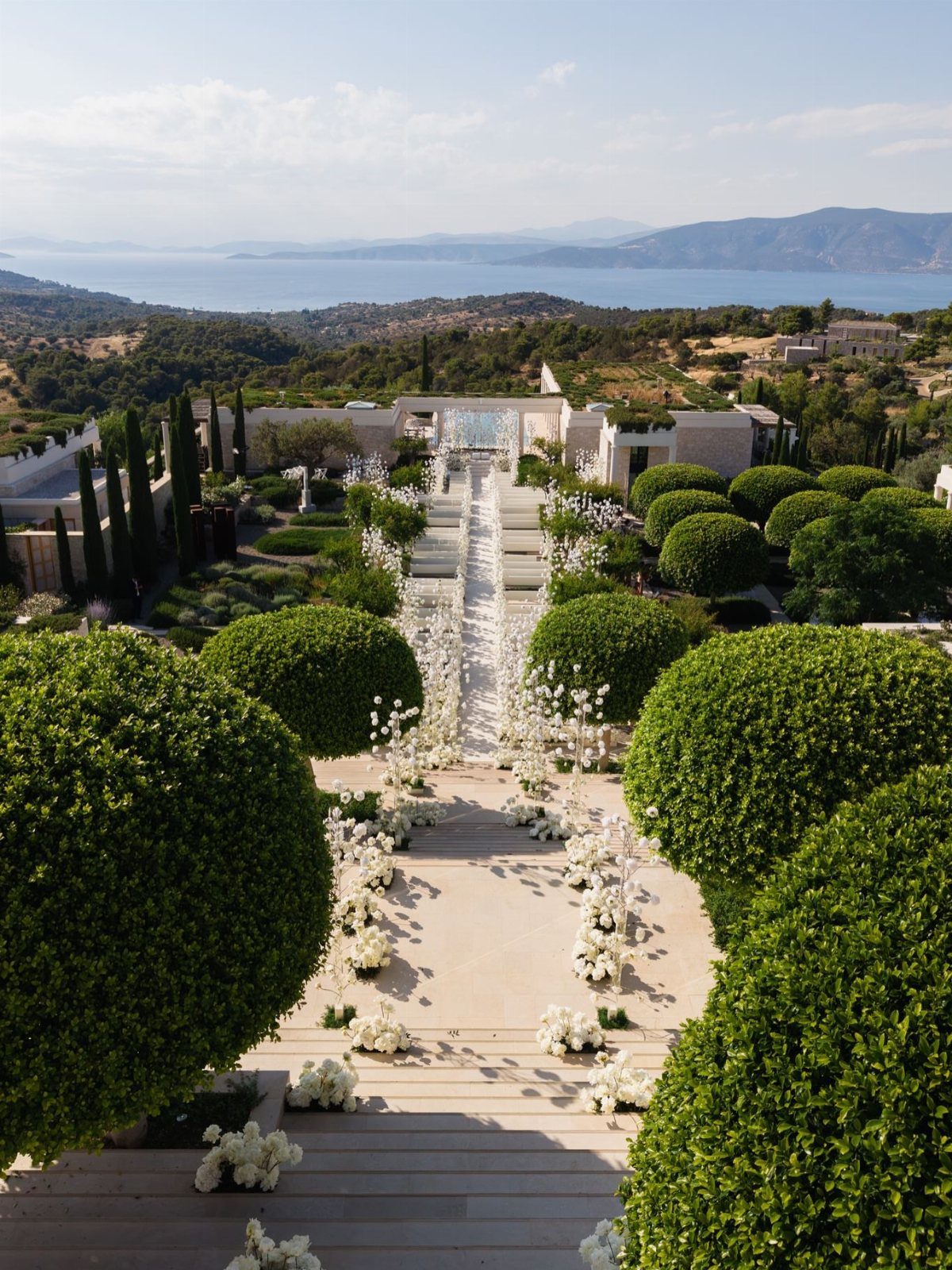
Amanzoe sits on a hillside in the Peloponnese, with an open-air pavilion and manicured terraces that overlook the coast and mountains.
The property is built in a modern interpretation of classical Greek design, with columns, reflecting pools, and stone paths connecting the ceremony site to guest accommodations.
This is a luxury resort.
Rates reflect that, and most couples book a room block for a multi-night stay. In exchange, you get privacy, full coordination, and a level of finish that requires little decoration.
The setting suits smaller weddings.
The main ceremony terrace seats a mid-sized guest list comfortably. Larger groups can be accommodated with additional seating areas, but the space feels most refined when it is not packed.
7. Pyrgos Petreza
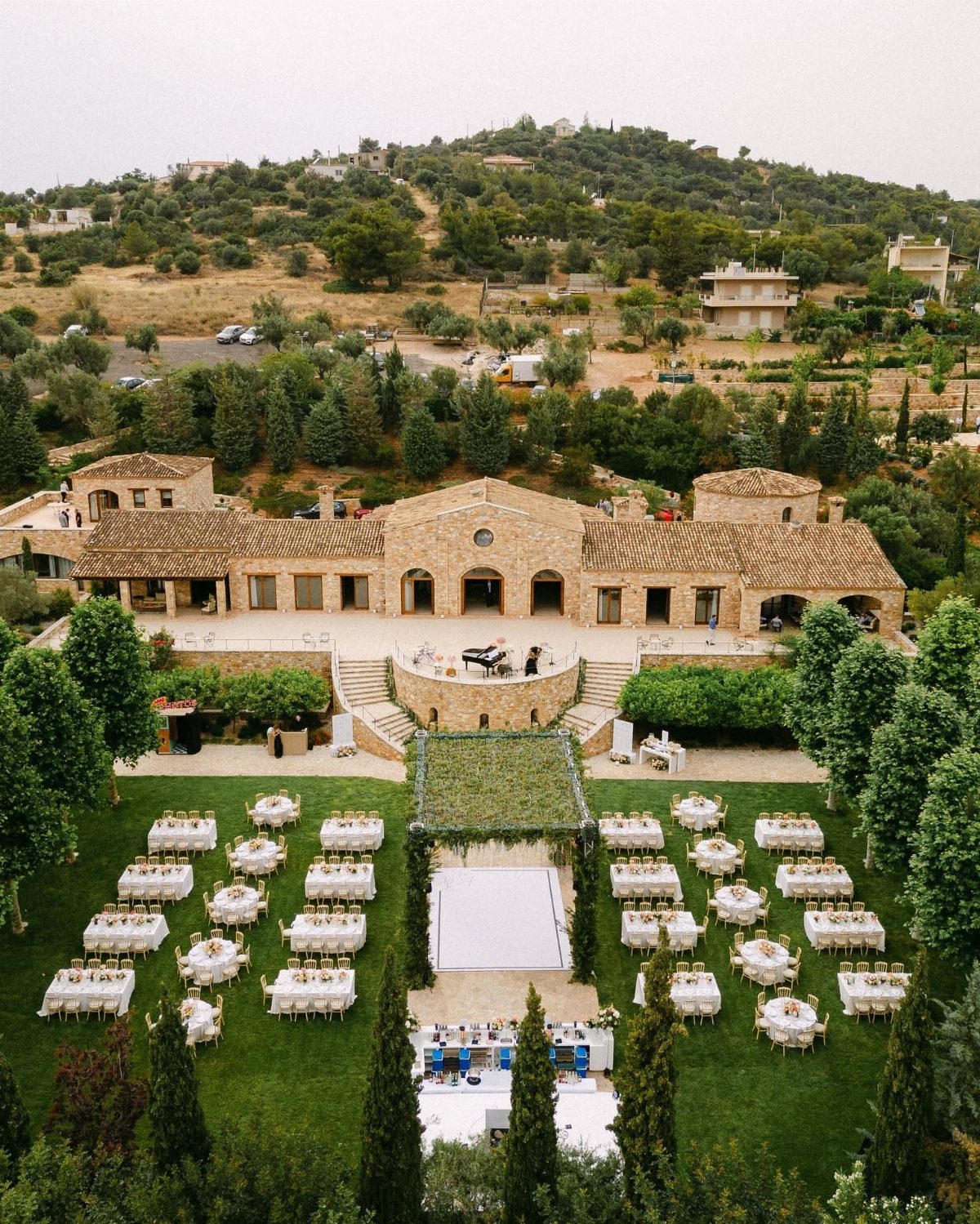
Pyrgos Petreza is a winery estate outside Athens with Byzantine stone buildings and vineyard rows that stretch across the property. The ceremony and reception spaces sit outdoors, surrounded by vines and open hillside views.
The wine is produced on-site. Most couples include local bottles in the reception package, which cuts down on bar costs and ties the meal to the location.
Athens airport is close. The drive takes under an hour, which makes transfers simpler for guests flying in from abroad.
8. Pyrgos Melissourgou
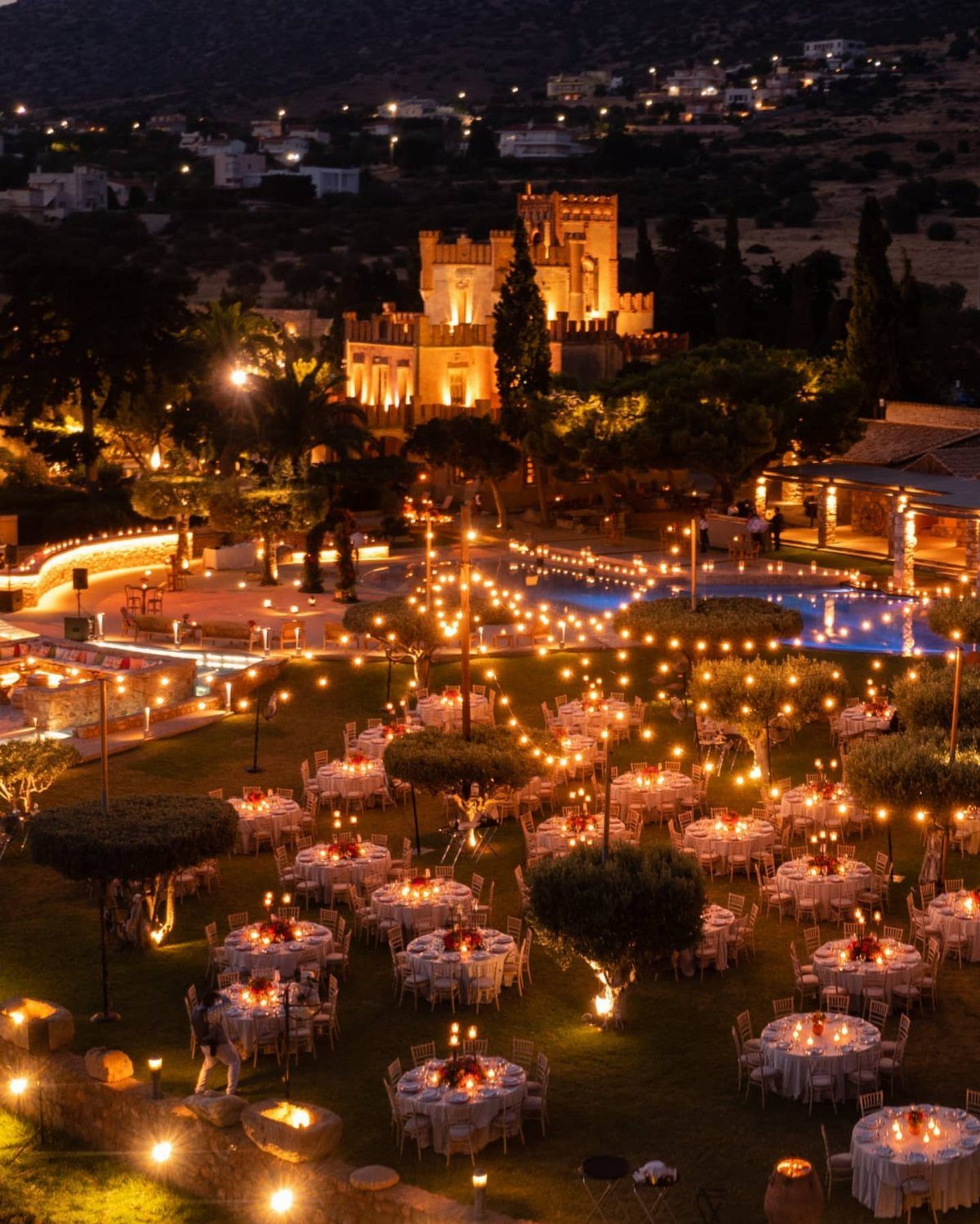
Pyrgos Melissourgou is a restored estate in Attica with gardens, a private chapel, and stone buildings that can accommodate large guest counts. The outdoor spaces include lawns, terraces, and a pool area that works for cocktail hour or late-night dancing.
This venue suits large weddings. The layout spreads out seating and service areas without crowding, and the gardens give you room for multiple setup zones.
On-site accommodation is limited. Most couples arrange nearby hotels and shuttle guests to the estate for the celebration.
9. Spetses
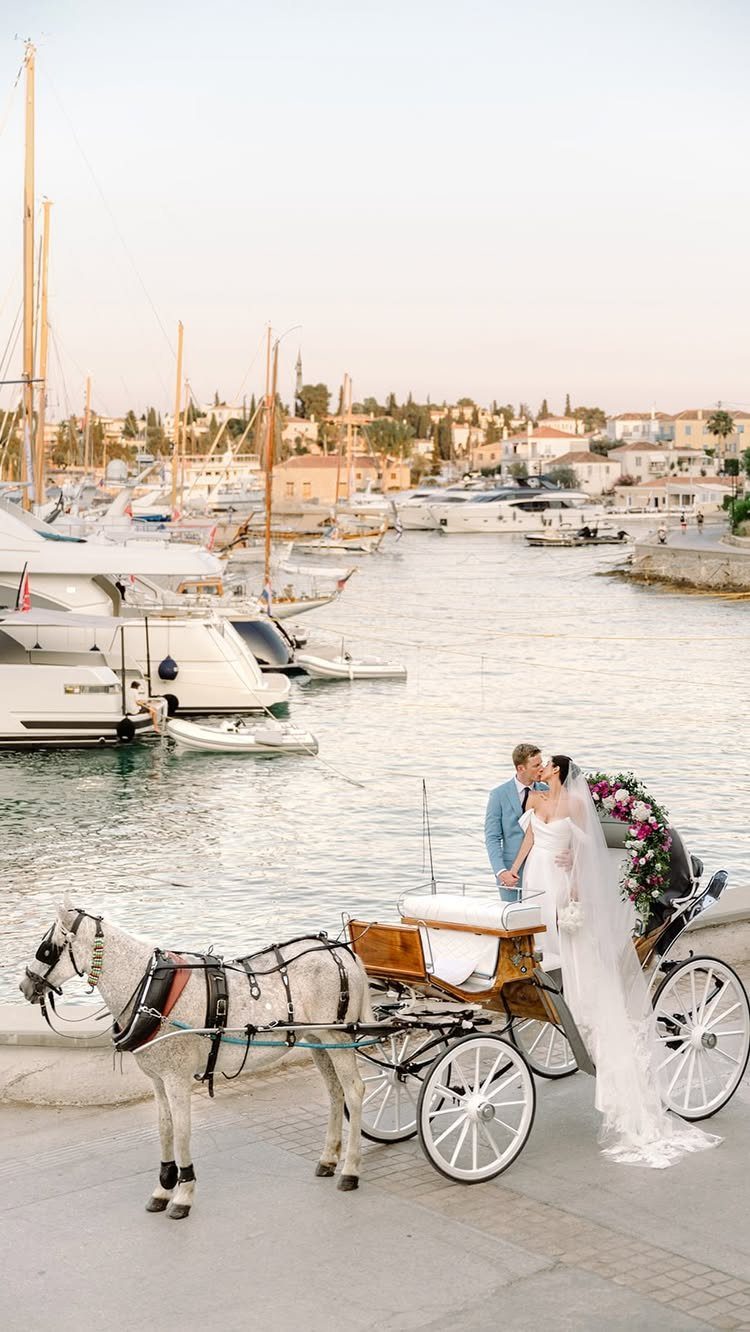
Spetses is a small island near Athens with traditional stone mansions, beach venues, and a car-free town center where horse-drawn carriages still run. Wedding venues here range from private estates with gardens to beachfront tavernas.
The island keeps a quieter pace than Mykonos or Santorini. Peak season still fills hotels and venues fast, but the atmosphere feels less crowded.
Ferry access from Piraeus makes the island reachable by boat. Spetses also has a helipad for faster transfers if your budget allows it.
10. Private Villa Wedding Venue
Renting a private villa puts the ceremony, reception, and guest accommodation under one roof. The property becomes yours for the weekend, with outdoor terraces, pools, and indoor spaces that give you flexibility if weather shifts.
Guest capacity depends on the villa. Smaller properties sleep 10 to 20, while larger estates can host 50 or more overnight and seat considerably more for the reception.
Check what is included. Some villas come with staff and catering arrangements; others leave setup and service to outside vendors.
11. Beach Wedding Venue
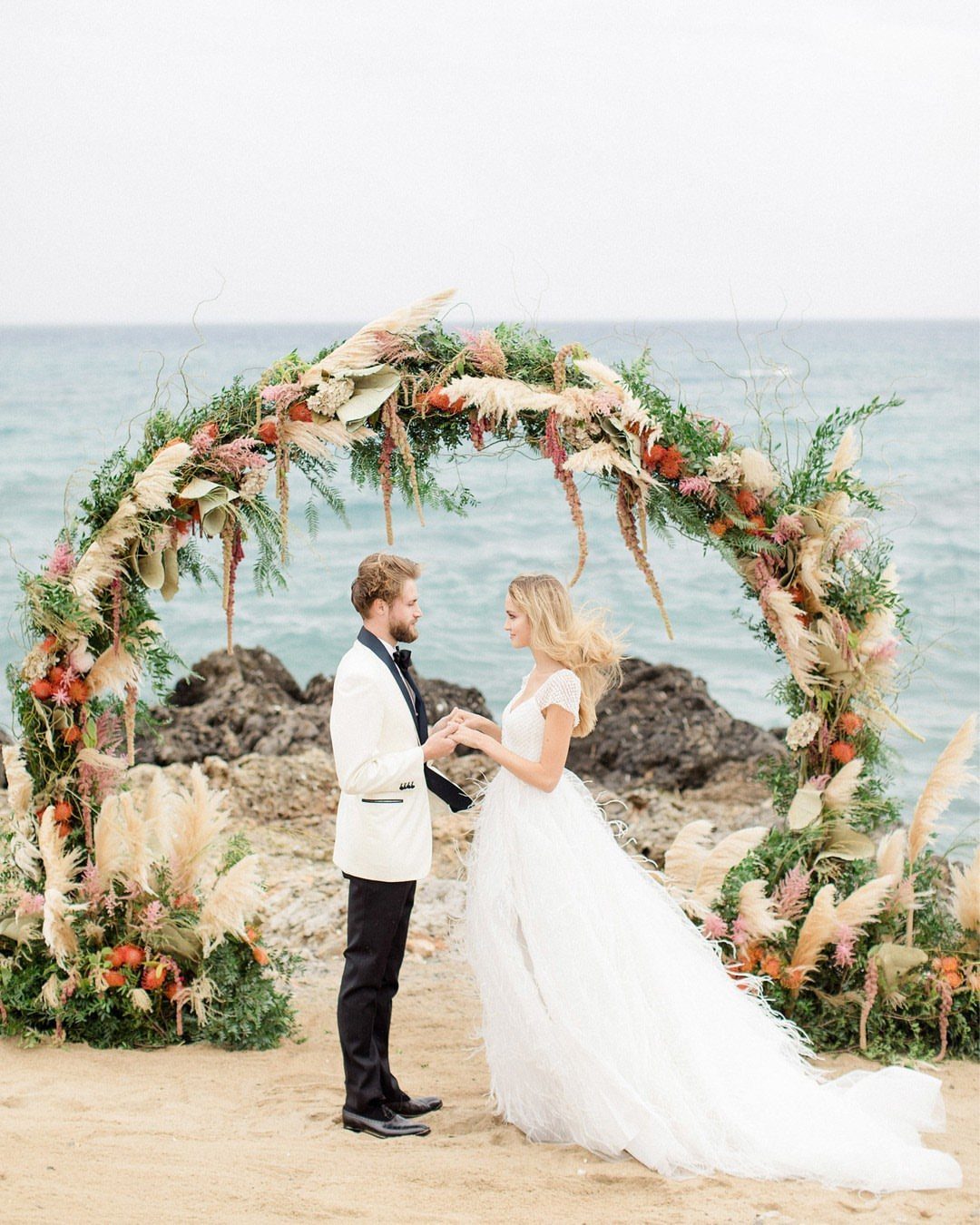
Reception tables are set up on the beach or moved to an adjacent terrace once the sun sets.
Wind and heat shape the day. Secure anything lightweight, and schedule ceremonies for late afternoon when the temperature drops.
Permits vary by location. Some beaches allow private events with advance booking, while others restrict commercial use entirely.
12. Meteora Rock Estate
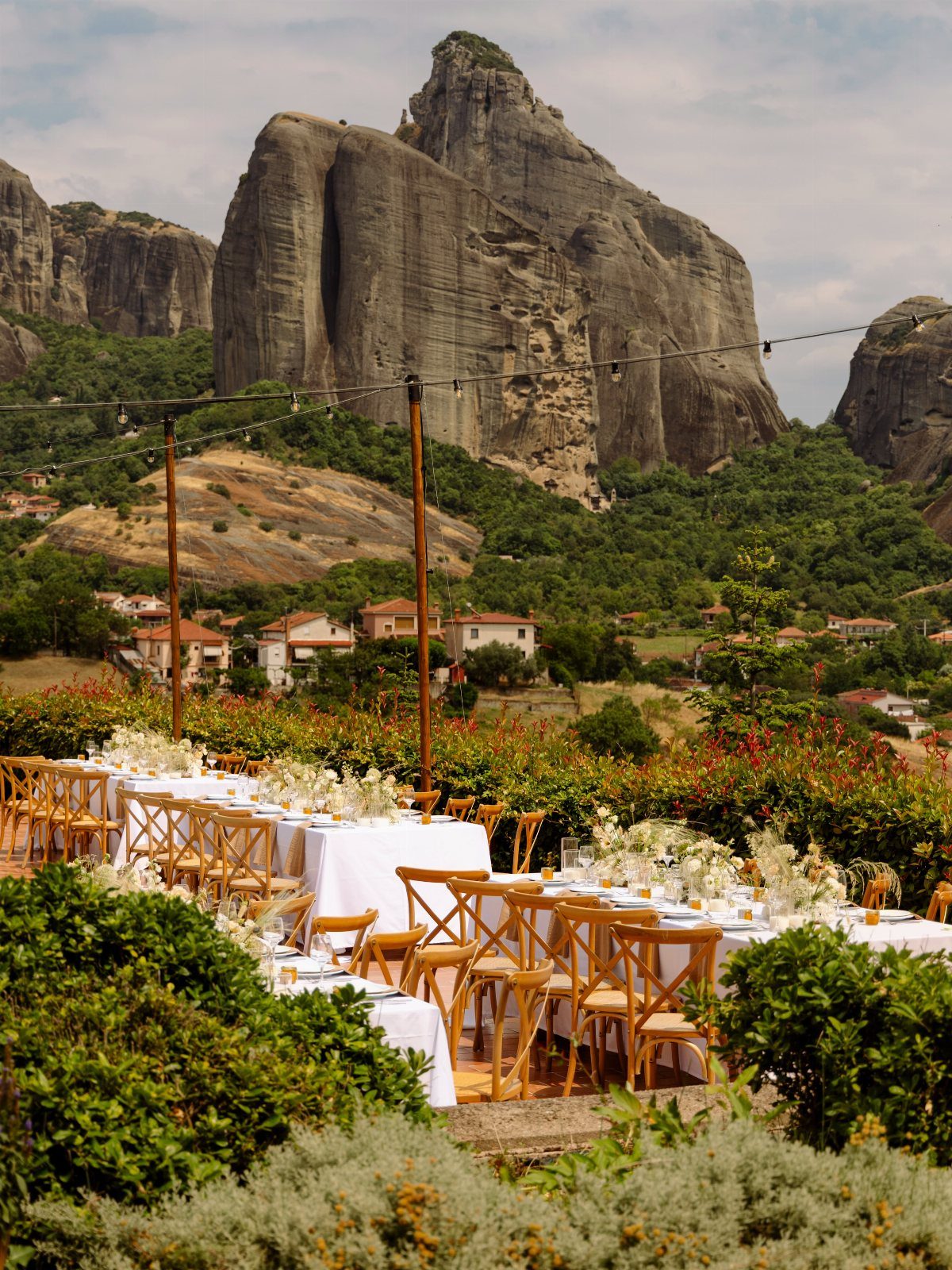
Meteora venues sit below rock formations that rise hundreds of feet above the valley floor. The ceremony and reception are held on terraces or lawns with the cliffs and monasteries visible in every direction.
This setting suits couples who want a dramatic natural backdrop without a beach or island location. The landscape reads as distinctly Greek but completely different from the coastal venues most destination weddings choose.
Thessaloniki airport is the closest hub. The drive to Meteora takes several hours, so plan transfers carefully if most guests are flying in.
13. Ancient Ruins Venue
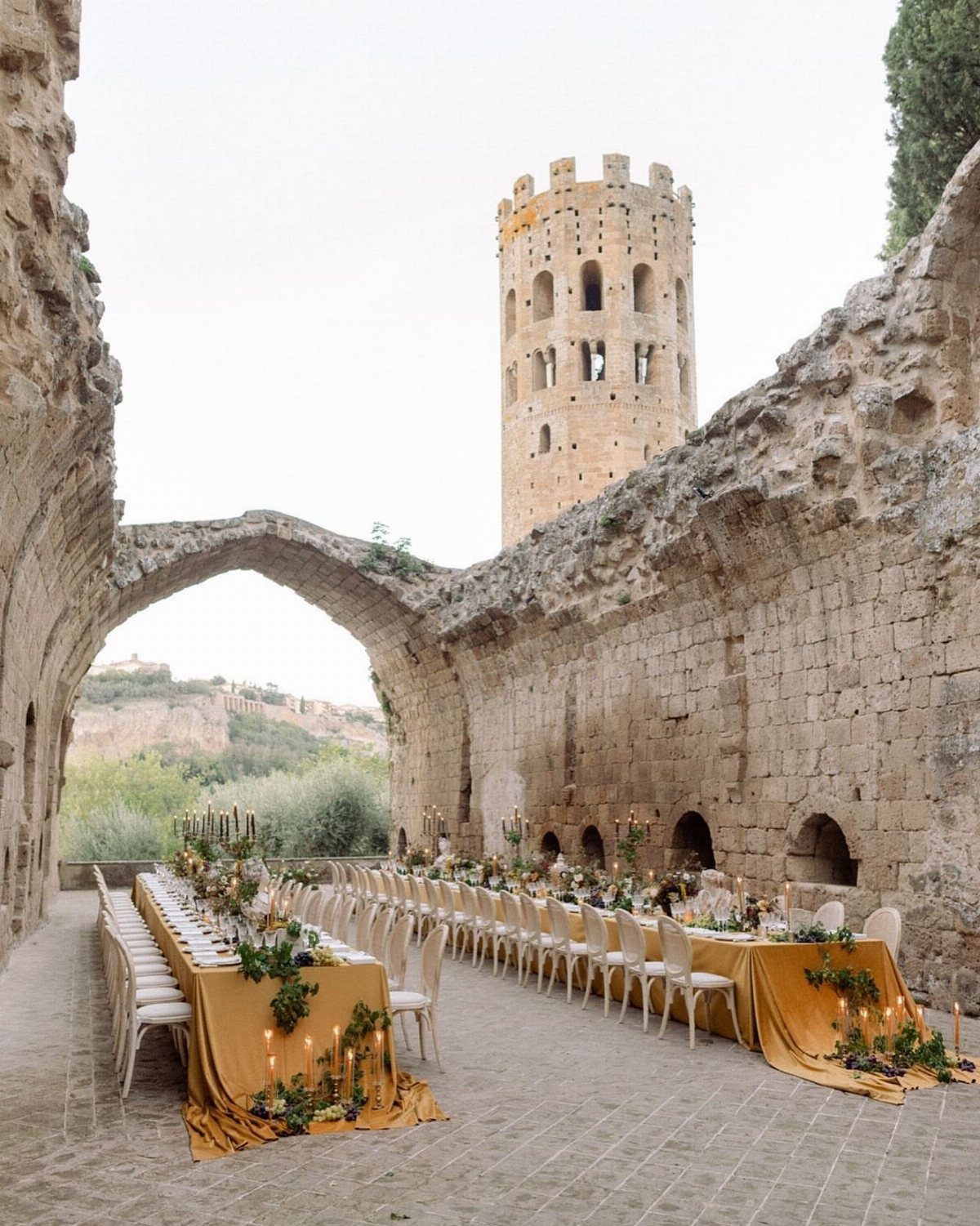
Ancient ruins venues in Greece place the ceremony and reception among stone arches, columns, and walls that date back centuries. The backdrop is built history, and the setting needs little decoration beyond the structures already standing.
Lighting matters after dark.
Candles and uplighting work better than overhead fixtures, which can flatten the stonework. Battery-powered options save you from running cables across uneven ground.
Permits are required. Archaeological sites restrict access and often limit guest counts, so confirm availability and rules with the venue well ahead of your date.
14. Mountain Village Venue
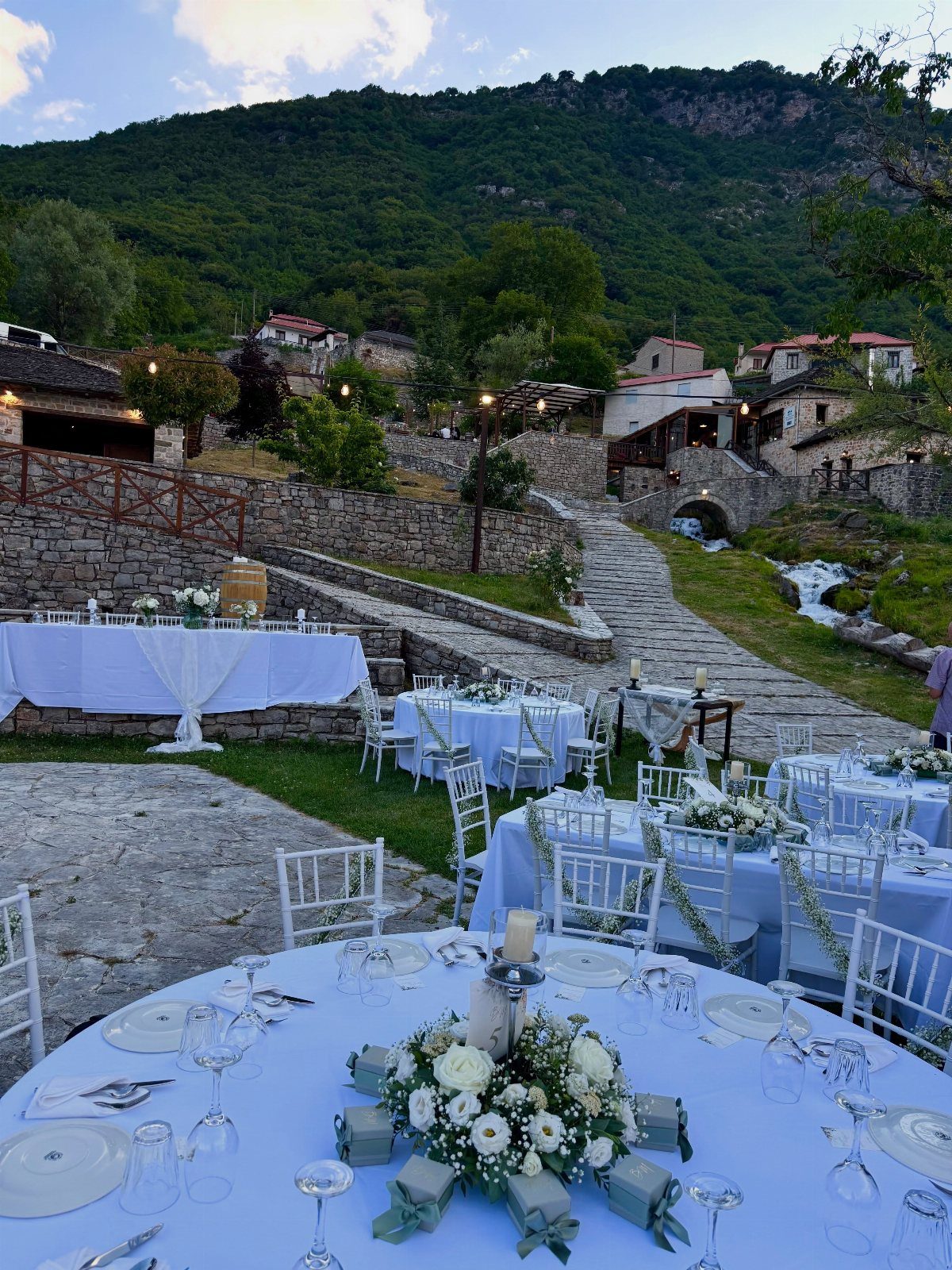
Mountain village venues place the reception on stone patios or terraces surrounded by traditional houses and peaks. The elevation cools the air, which makes summer dates more comfortable than coastal venues at the same time of year.
Access can be narrow. Roads into mountain villages are often steep and winding, so arrange shuttle transport if most guests are unfamiliar with the route.
If you would rather skip the beach heat and wind, a mountain village works better. Expect fewer tourists and a quieter pace than island venues.
15. Countryside Stone Estate
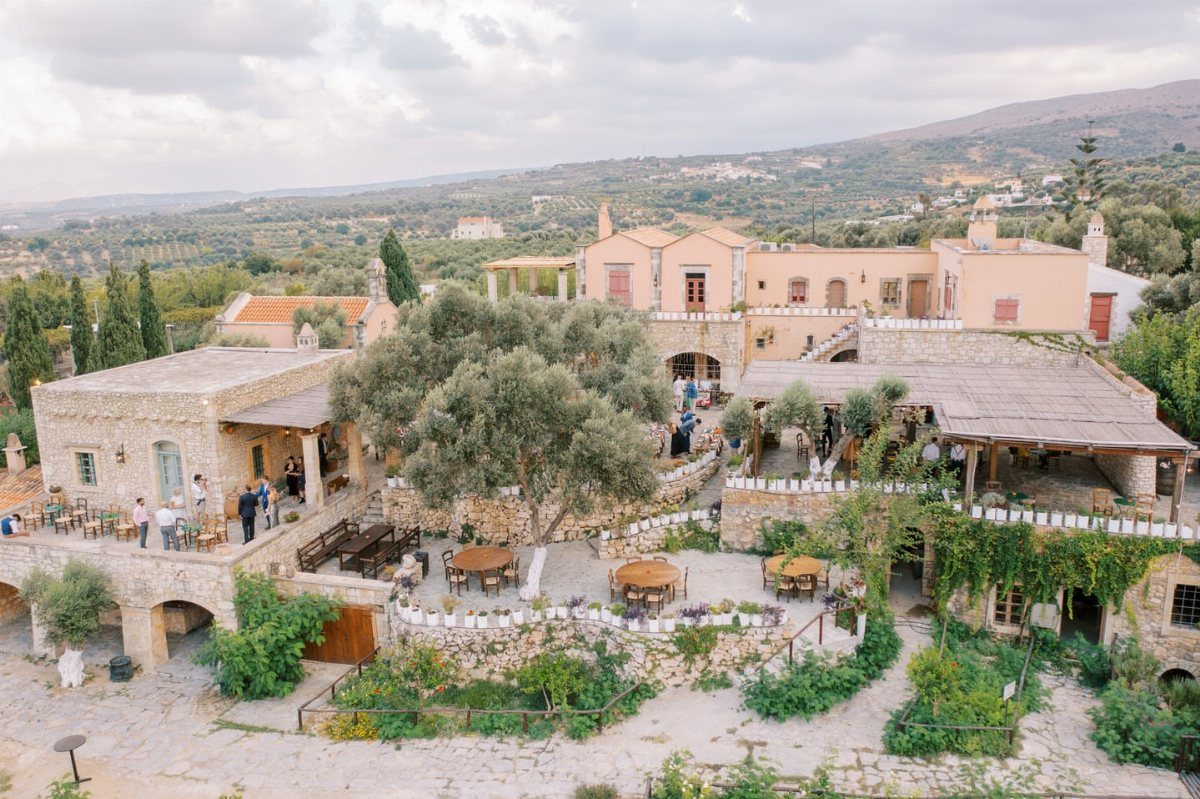
Countryside stone estates in Greece sit among olive groves and rolling hills, with multiple terraces and outdoor dining areas that accommodate mid-sized to large guest counts. The layout spreads ceremony and reception spaces across the property without crowding.
These venues often include accommodation or nearby guesthouses, which simplifies logistics for multi-day celebrations. Ask what the rental includes so you know which vendors to book separately.
The open hillside setting offers privacy and views without the cliffside drama of Santorini or the beach crowds of Mykonos.
16. Castle-style Estate
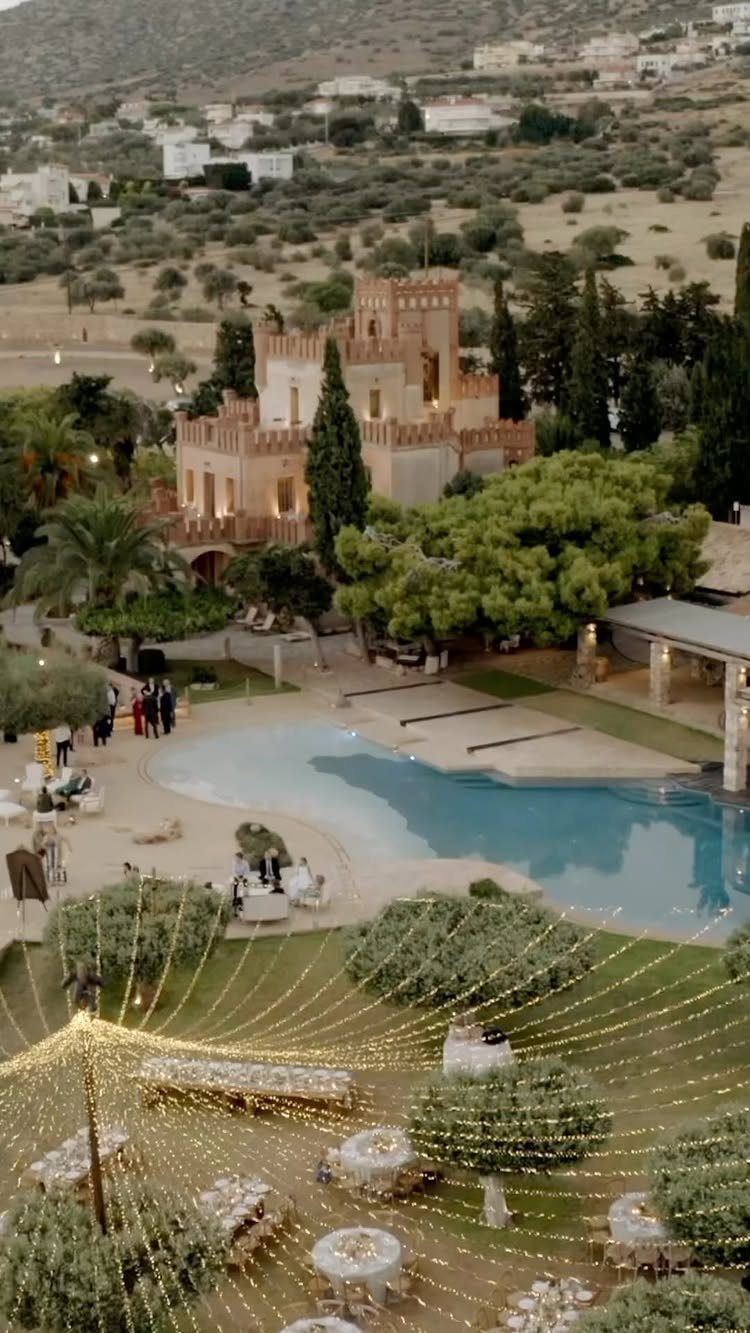
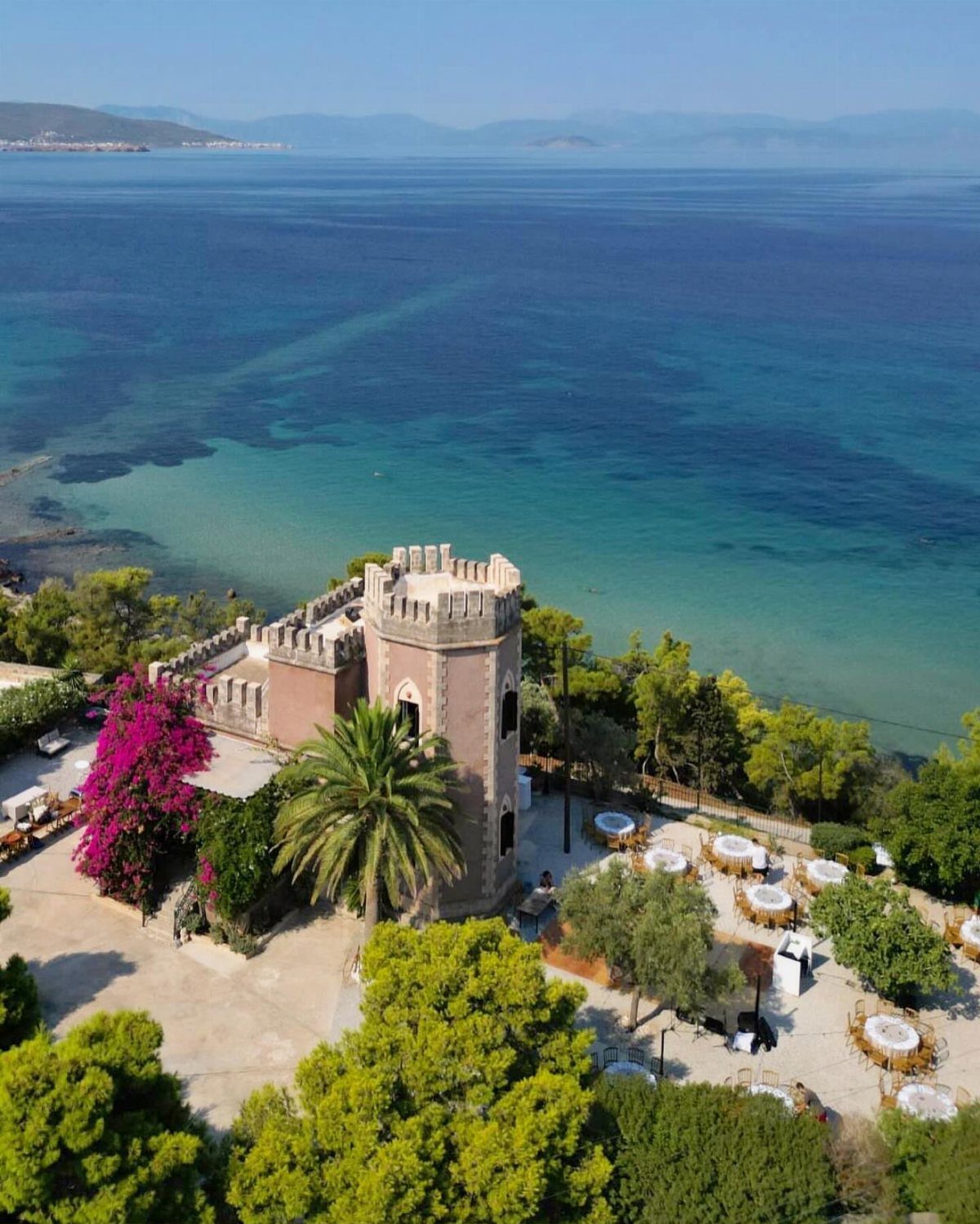
Castle-style estates bring formal architecture and manicured grounds to a hillside setting. The layout typically includes a pool, event lawn, and terraced areas that work for both ceremony and reception.
A castle estate works best when your guest count is large. The grounds can accommodate long tables, dance floors, and lounge areas without feeling cramped, and the pool area often doubles as a cocktail hour space.
Rates run higher than simpler countryside venues. You get a finished, resort-level look that does not need much decoration.
17. White Chapel Venue
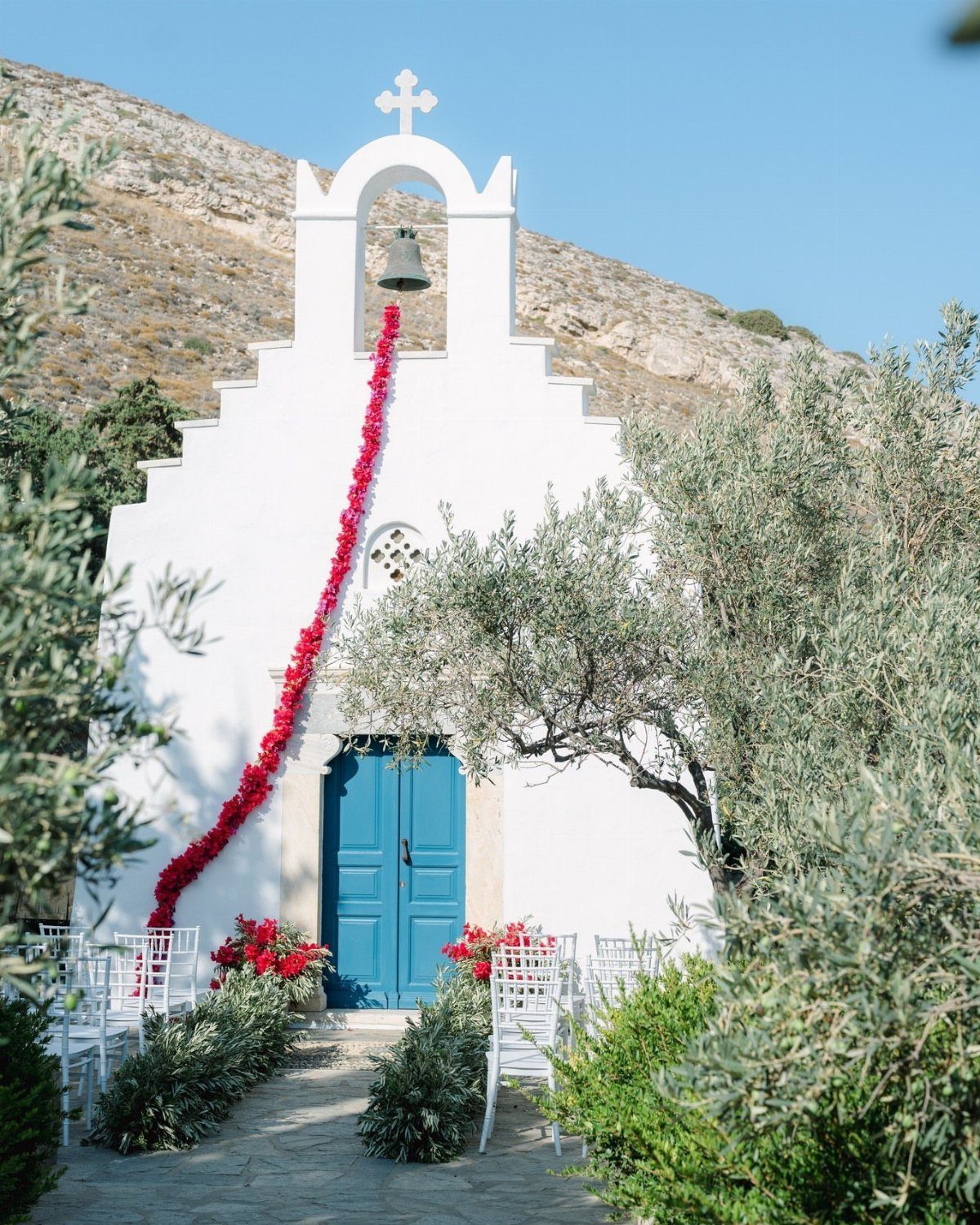
White chapels with blue doors and bell towers sit across the Greek countryside, often surrounded by olive trees and rocky hills. Ceremony seating is arranged outside, with the chapel as the backdrop rather than the ceremony space itself.
These chapels are small. Outdoor seating usually supplements the chapel itself, which stays small inside.
The setting suits intimate weddings and elopements. If your guest count runs above 50, check that the site has enough flat ground for seating and that shade or cover is available.
18. Seaside Chapel Venue
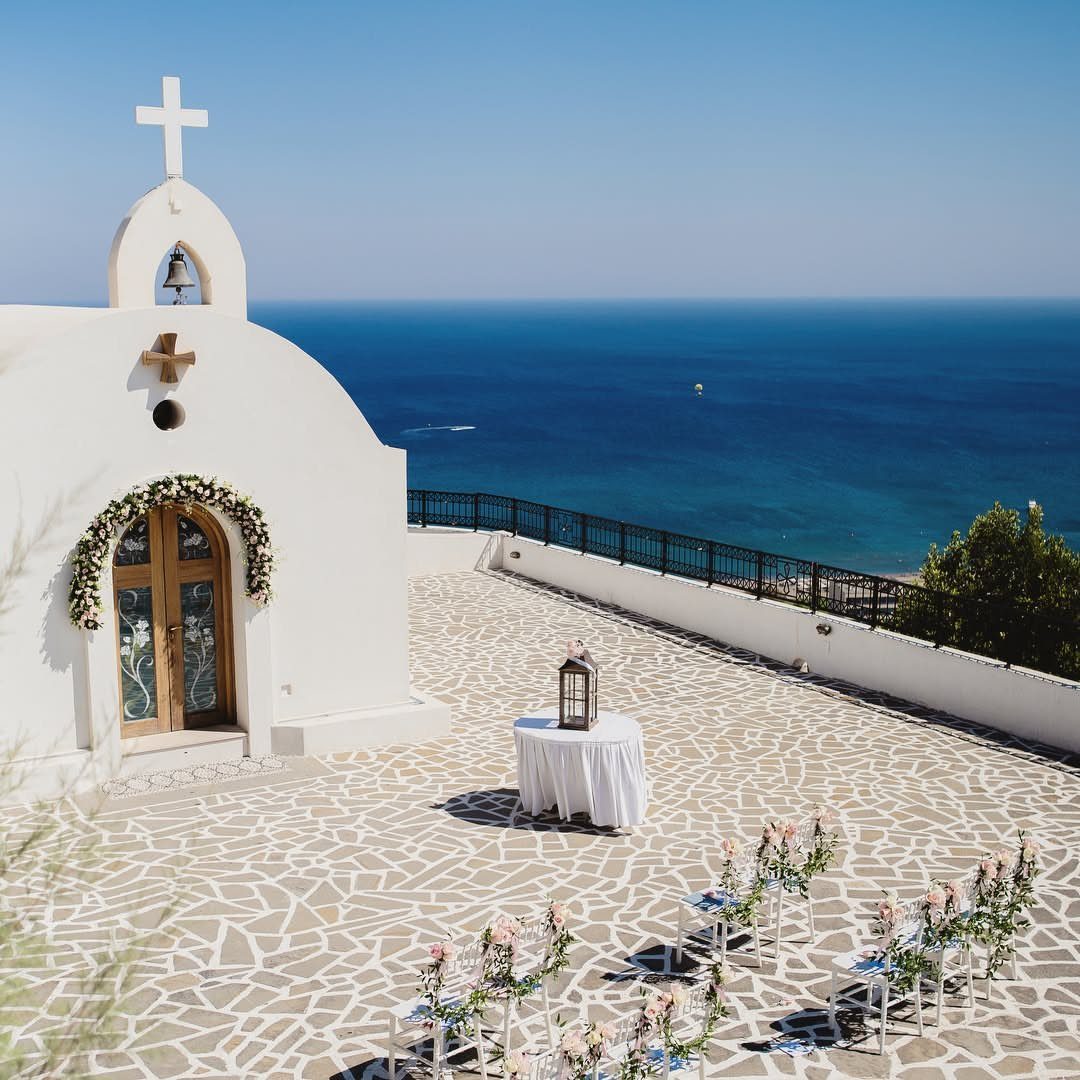
Seaside chapels overlook the water from cliffs or elevated terraces, with ceremony seating arranged on an adjacent patio. The chapel provides the focal point, and the sea stretches out behind it.
Secure anything lightweight, and warn guests if heels will be walking on stone or gravel paths leading to the ceremony site.
These venues suit smaller weddings. The patio handles a moderate guest count comfortably, though full reception space varies by property.
19. Green Valley Terrace
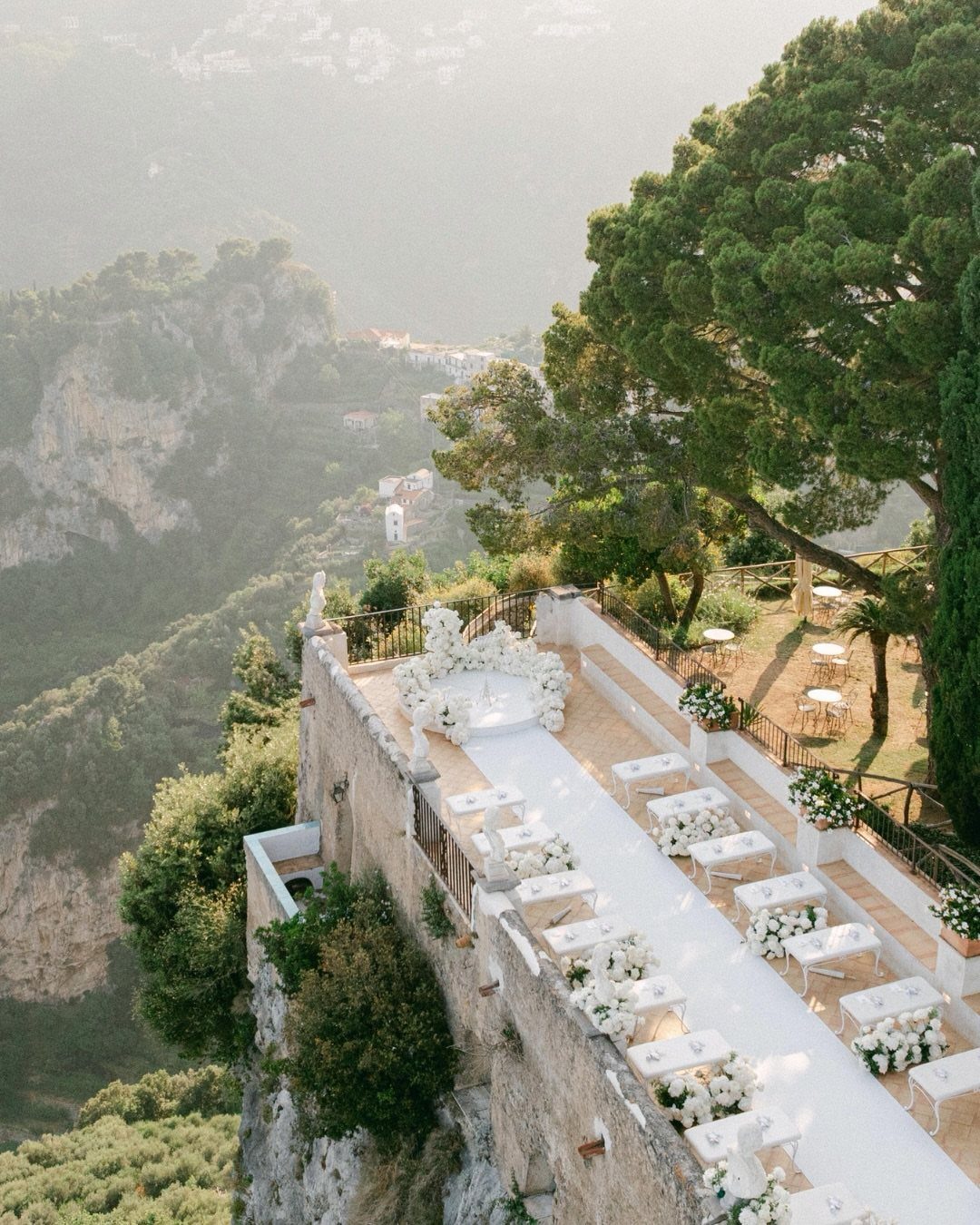
A stone terrace ceremony site places rows of seating along a ridge that drops into a valley below. The view extends across steep hillsides and distant peaks, with trees and stone walls framing the edges.
This setup suits small to mid-sized weddings. The terrace footprint limits how many rows you can fit without crowding the aisle or blocking sightlines.
Secure all decor.
Valley locations funnel wind unpredictably, and lightweight florals or fabric will move. Weighted stands and low arrangements stay put better than tall centerpieces.
If your date falls in summer, schedule the ceremony for late afternoon. The open hillside offers no cover from midday heat.
20. Coastal Pavilion Venue
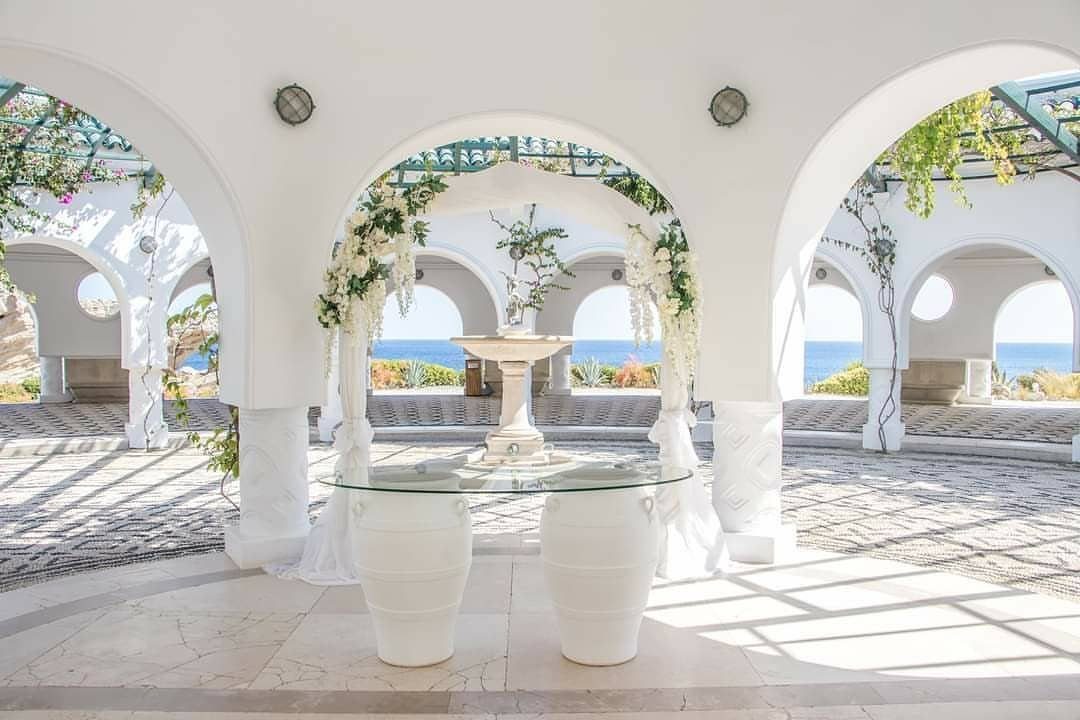
A pavilion with white arches and a stone floor frames the ceremony space and opens onto a sea view. Floral arrangements line the aisle or cluster at the altar, and the arches provide structure without blocking the horizon.
This works for couples who want an outdoor ceremony with some architectural definition. The pavilion serves as a focal point and offers partial shade while keeping the space open to the water.
Check wind conditions. Coastal pavilions catch sea breezes, so florals need secure bases and fabric should be weighted or avoided.
Guest seating fits under the pavilion or extends onto the adjacent terrace. Capacity depends on how far the stone floor reaches beyond the arches.
Guest Travel and Access
Athens and Thessaloniki handle most international arrivals. Reaching the islands means adding a domestic flight or ferry to the trip, and which route runs depends on the island and the season.
Santorini, Mykonos, Crete, and Rhodes all have airports with seasonal direct flights from Europe. Smaller islands rely on ferries or short hops through Athens, which adds transfer time and coordination.
If your guest list includes older relatives, young children, or anyone flying long-haul, factor in the full door-to-door trip when you compare venues.
A Santorini clifftop ceremony might mean three flights and a van ride for guests coming from the US, while an estate outside Athens cuts that to one flight and an hour’s drive.
Weekend length matters too. Multi-day celebrations work better at venues with on-site or nearby accommodation, so guests are not shuttling between a hotel and the property.
Booking and Wedding Costs
A full Greek destination wedding in 2026 runs €15,000–€40,000 for a mid-sized guest count, with smaller weddings landing around €10,000–€20,000. Those figures include the venue, catering, coordination, and basic decor, but not flights or guest accommodation.
Santorini and Halkidiki cost more than less-traveled islands. Peak summer dates and large guest counts push the total higher, while off-season bookings and elopement-sized weddings stay closer to the lower end.
Popular properties and experienced coordinators fill early, and waiting cuts your shortlist.
Some venues package everything; others rent the space and leave catering and florals to outside vendors. Compare what the package covers, not just the final number.
Legal Ceremony Choices
Most couples marry legally at home and hold a symbolic ceremony in Greece. That skips the residency wait, document translations, and municipal appointments a legally binding ceremony requires.
If you want the Greek ceremony to count legally, civil ceremonies and Orthodox weddings are both recognized.
Requirements vary by nationality and municipality, but expect to provide birth certificates, passports, certificates of no impediment, and any divorce or name-change documents that apply.
An Orthodox ceremony requires at least one partner to be baptized Orthodox. Civil ceremonies open to more couples but still involve advance paperwork and coordination with the local municipality where the venue sits.
Look up what your nationality and ceremony type require well before the date. Some municipalities move faster than others, and missing a document can delay the whole process.
Frequently Asked Questions
What is the best place in Greece for a wedding?
The best location depends on what the wedding needs.
Santorini delivers caldera views and sunset terraces, Mykonos suits a more social celebration, Crete and Rhodes offer space and variety, Athens simplifies travel, and smaller islands like Spetses keep a quieter pace.
Match the setting to your guest count, budget, and how much travel your guests can handle.
What factors do I need to consider when choosing a Greece wedding destination?
Guest travel matters most. Athens and larger islands with airports cut transfer time, while smaller islands mean adding ferries or short flights.
Budget, guest count, and whether the venue includes accommodation all shape which location works. Peak season fills venues faster and costs more than spring or fall dates.
What are the legal requirements for getting married in Greece?
What you need to get married legally in Greece depends on your nationality, where exactly you are marrying, and what kind of ceremony you want.
Most couples skip the legal process in Greece and hold a symbolic ceremony instead, which avoids the residency wait and paperwork.
When should I book my wedding venue in Greece?
Book at least a year ahead if your date falls between May and September.
Popular islands like Santorini and Mykonos fill fastest, and experienced coordinators book out 12 to 18 months in advance. Waiting cuts your shortlist and leaves fewer vendor options.