Outside wedding venues range from manicured gardens with built-in weather protection to open lawns and waterfront sites where you bring your own contingency.
The right venue depends on whether indoor backup is included in the rental or you are bringing in a tent separately.
Historic estates and indoor-outdoor venues usually provide covered space, while open lawn sites, ranches and waterfronts often leave weather protection to you.
1. Garden Wedding Venue
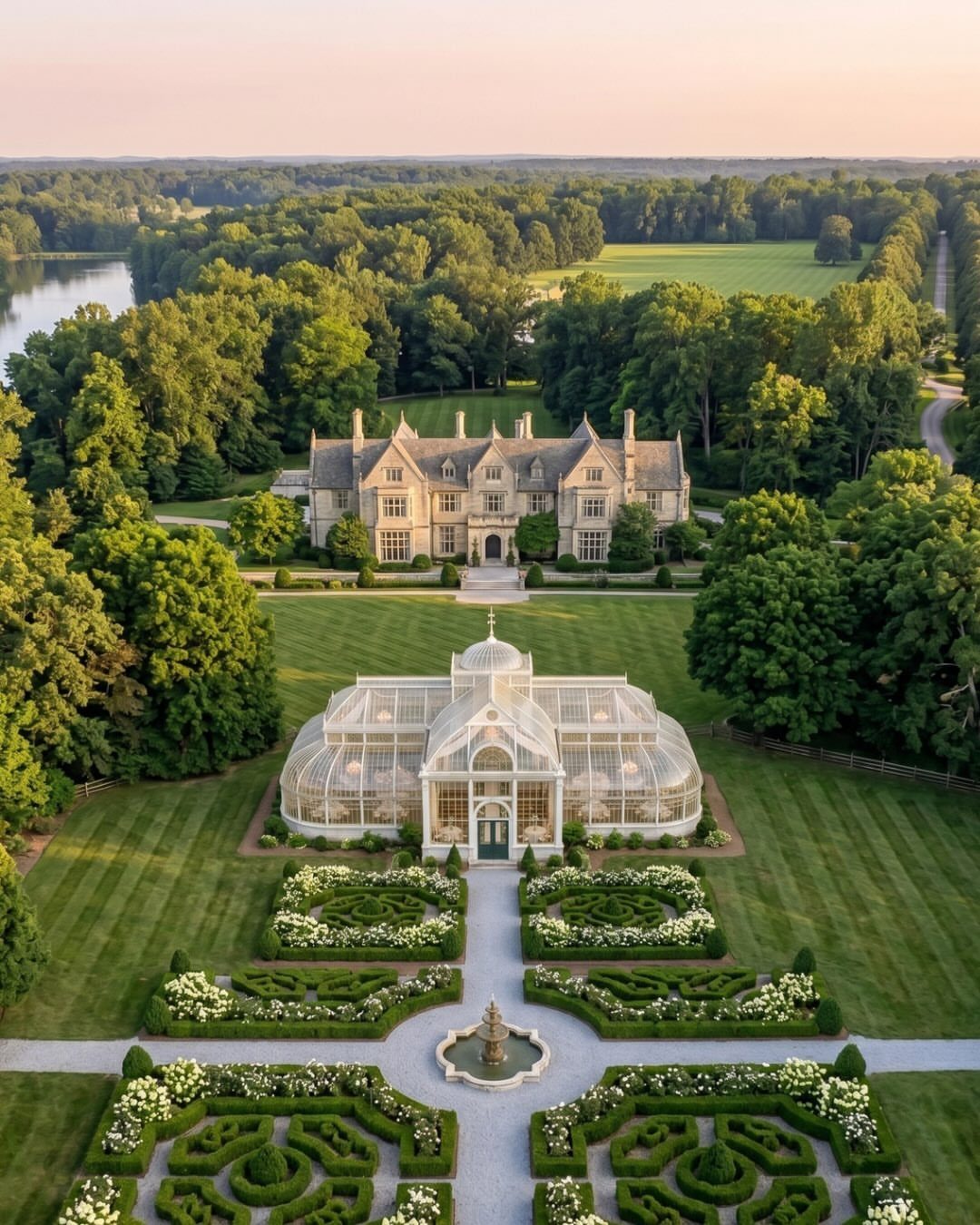
A landscaped garden gives you ceremony or reception space that already has structure. You get paths, planted beds, maybe a fountain or pergola, and the groundwork is done.
Garden venues usually include indoor backup space or a tent option, which matters if your date falls in a season with unpredictable weather. Ask about guest capacity for both the outdoor area and the backup plan.
If the garden is part of a larger estate, you may also get access to indoor rooms for getting ready or cocktail hour.
Rental fees vary widely depending on location and what is included, so confirm whether tables, chairs, and setup come with the booking or cost extra.
2. Historic Estate
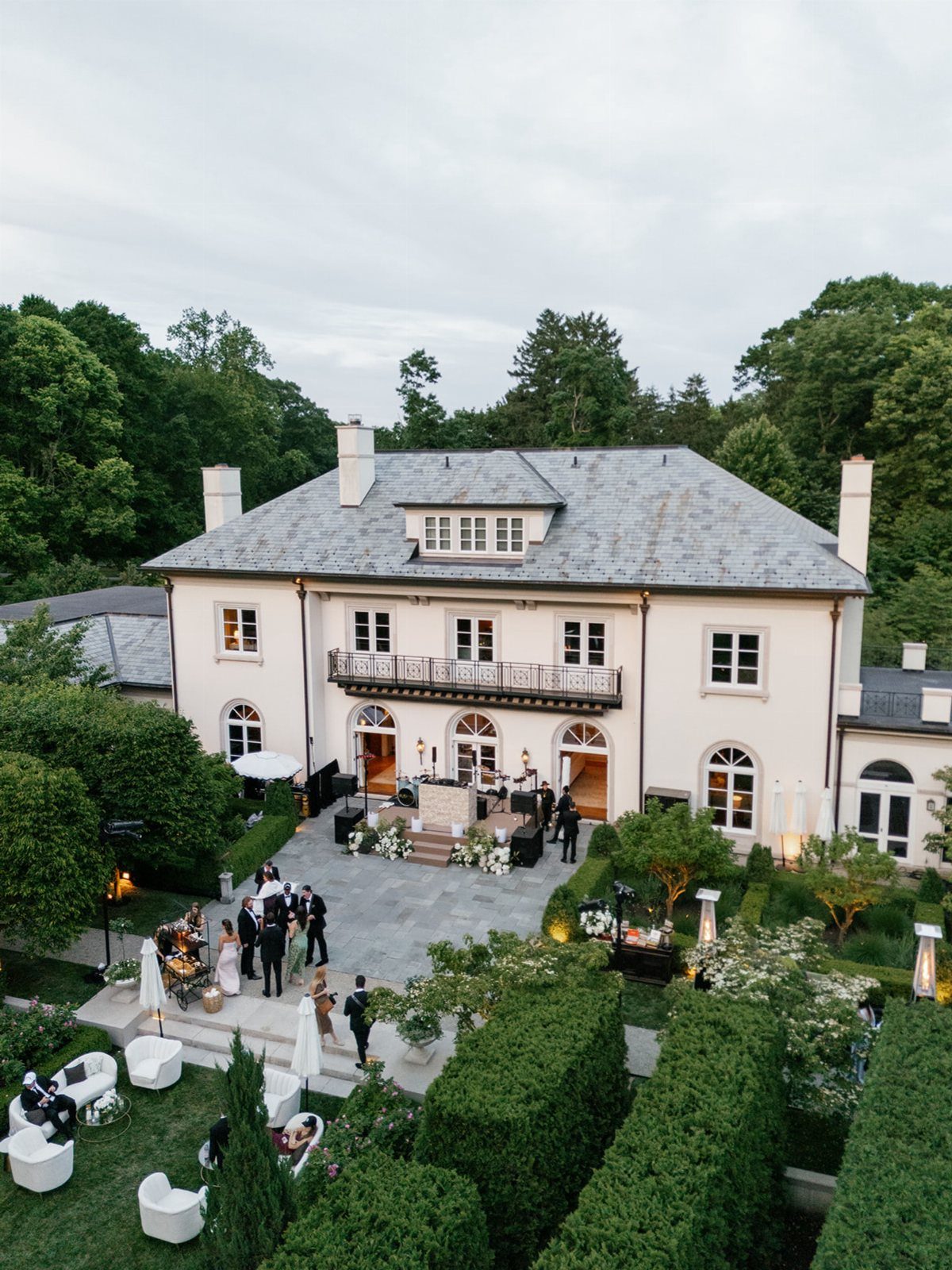
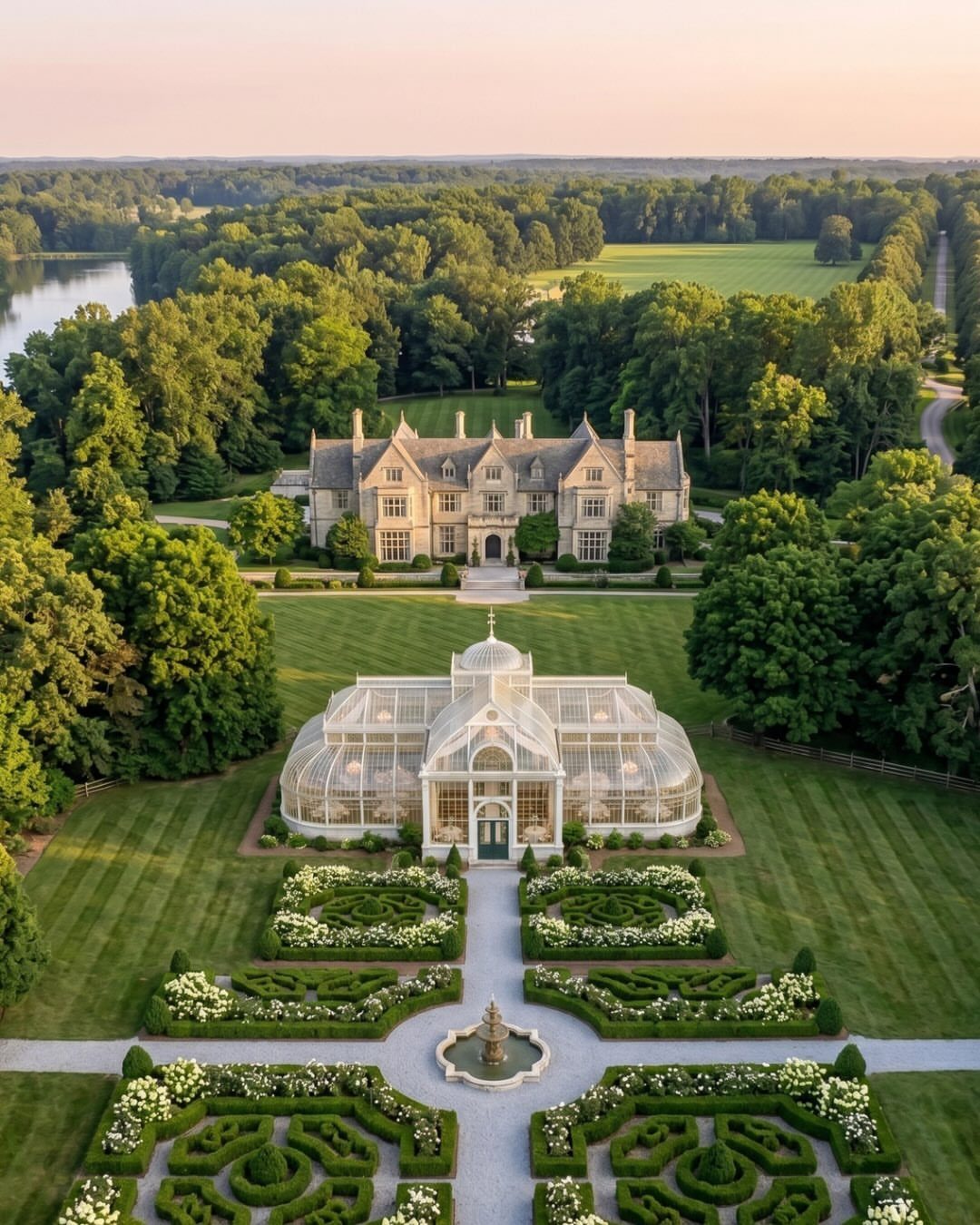
A historic estate pairs formal architecture with outdoor lawns and terraces. You get a built backdrop without giving up open-air ceremony or reception space.
The stone or brick exterior and manicured grounds photograph well with minimal added decor.
Many estates offer both indoor and outdoor areas, so you can hold the ceremony on the lawn and move the reception inside, or split cocktail hour and dinner between the two.
Rental fees tend to run higher than simpler outdoor venues, and some estates require you to use their approved vendor list.
Check what the venue provides in tables, chairs, and setup, and whether you need to bring in a tent for weather backup.
3. Vineyard Wedding
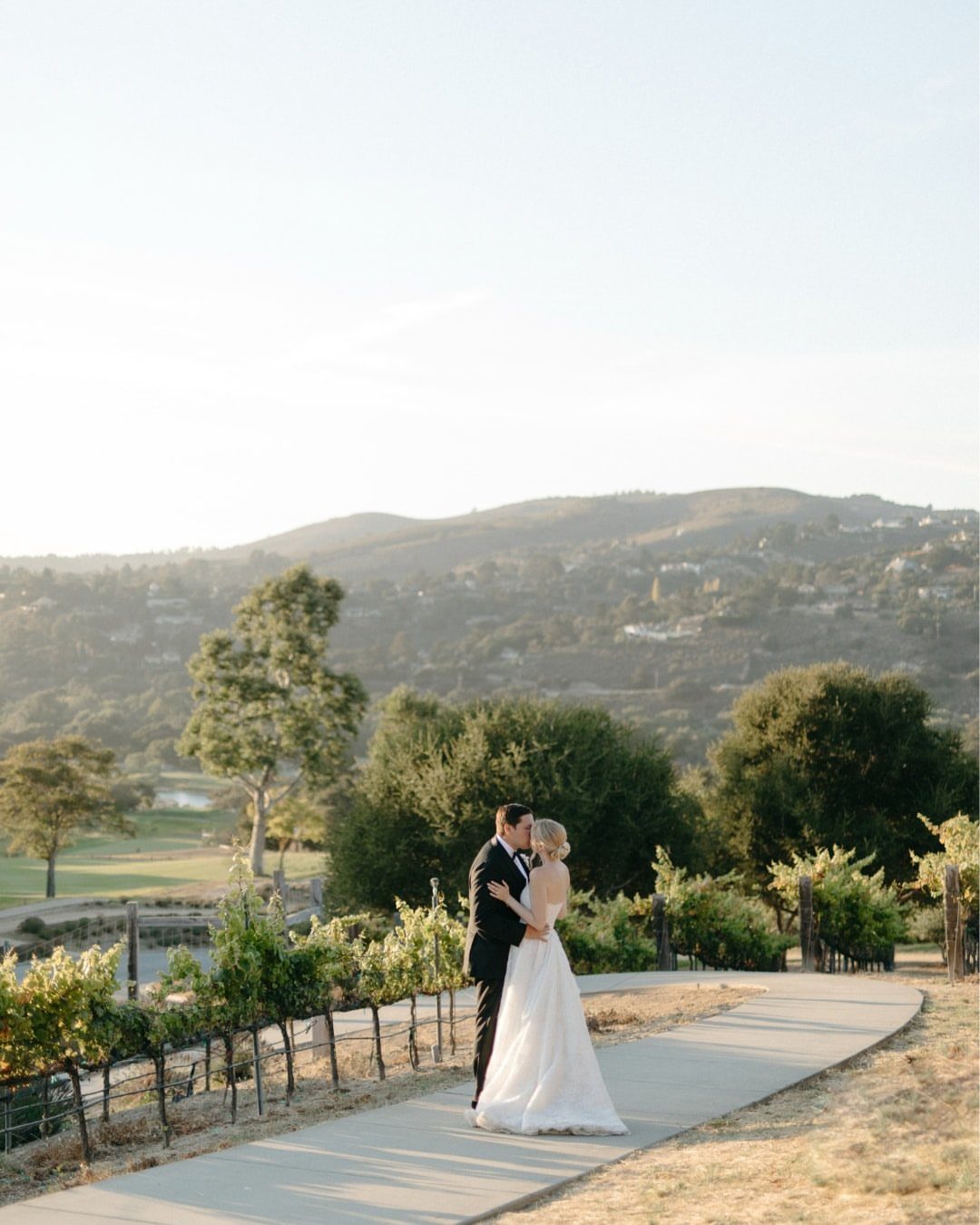
Vineyards give you rows of grapevines, rolling hills, and a wine-country setting without much added decor. The planted rows provide natural aisle definition for a ceremony, and many vineyards have lawns or patios for the reception.
Most vineyard venues offer wine from their own label, which can simplify bar planning and lower alcohol costs. Some include tastings with the rental.
Guest capacity varies depending on whether the venue has a barn, pavilion, or tent space for weather backup.
If the ceremony is outdoors and the reception is under cover, you get both the vineyard view and protection from sun or rain. Confirm whether the venue provides tables, chairs, and glassware, or if you need to rent them separately.
4. Waterfront Wedding
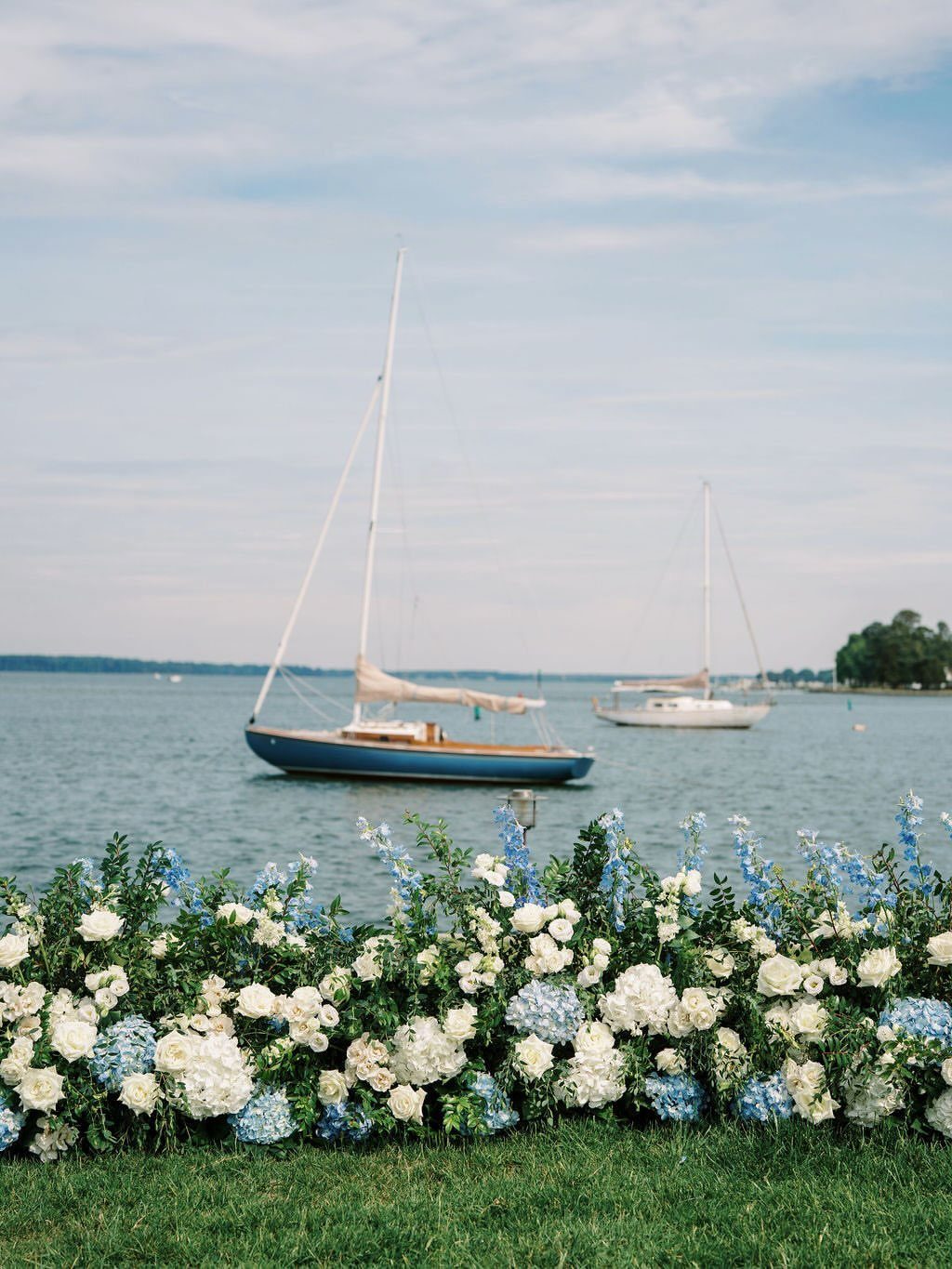
A waterfront venue puts a lake, bay, river, or ocean in view for the ceremony or reception. The water is a natural focal point, and you can skip heavy floral installations if the view is the main feature.
Wind is the biggest consideration.
If your ceremony is on the water, bring clips or weights for programs, tablecloths, and any paper signage. Hair and makeup should account for humidity and breeze.
Waterfront venues often charge higher rental fees, and some require tents or pavilions for guest comfort. Ask whether the venue includes a dock, beach access, or boat arrival with the booking.
If the site is on a slope or uneven ground, confirm whether the venue provides level flooring or a platform for the ceremony and reception areas.
5. Golf Course Venue
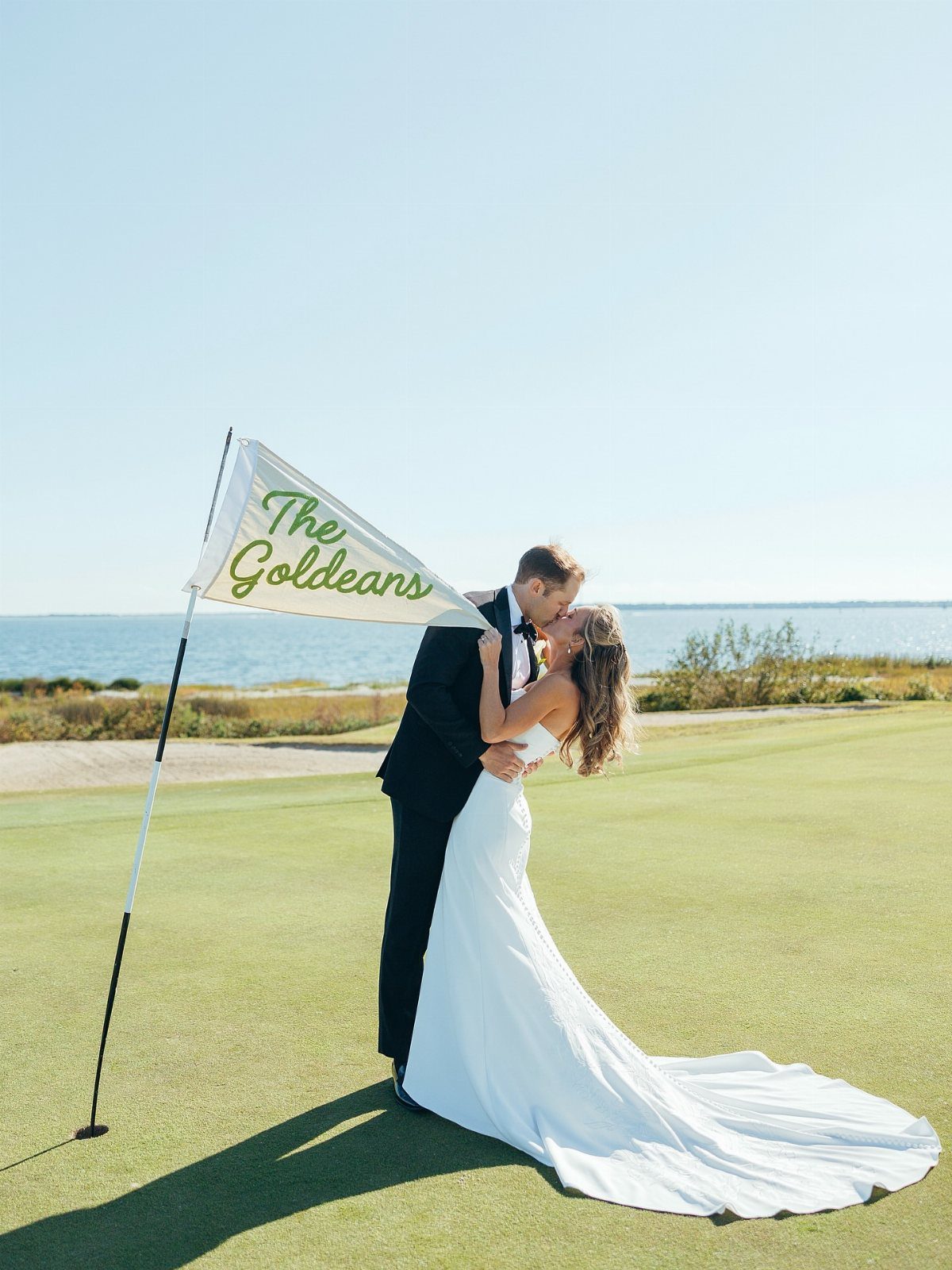
Golf courses offer wide open lawns, manicured turf, and views across the course. Many have clubhouses with indoor backup space, so you get the outdoor setting without losing the option to move inside if weather shifts.
Some courses allow you to hold the ceremony on a specific hole or green, while others designate a separate lawn area.
Rental fees vary depending on whether the clubhouse, catering, and bar are included or if you can bring in your own vendors.
6. Mountain Wedding Venue
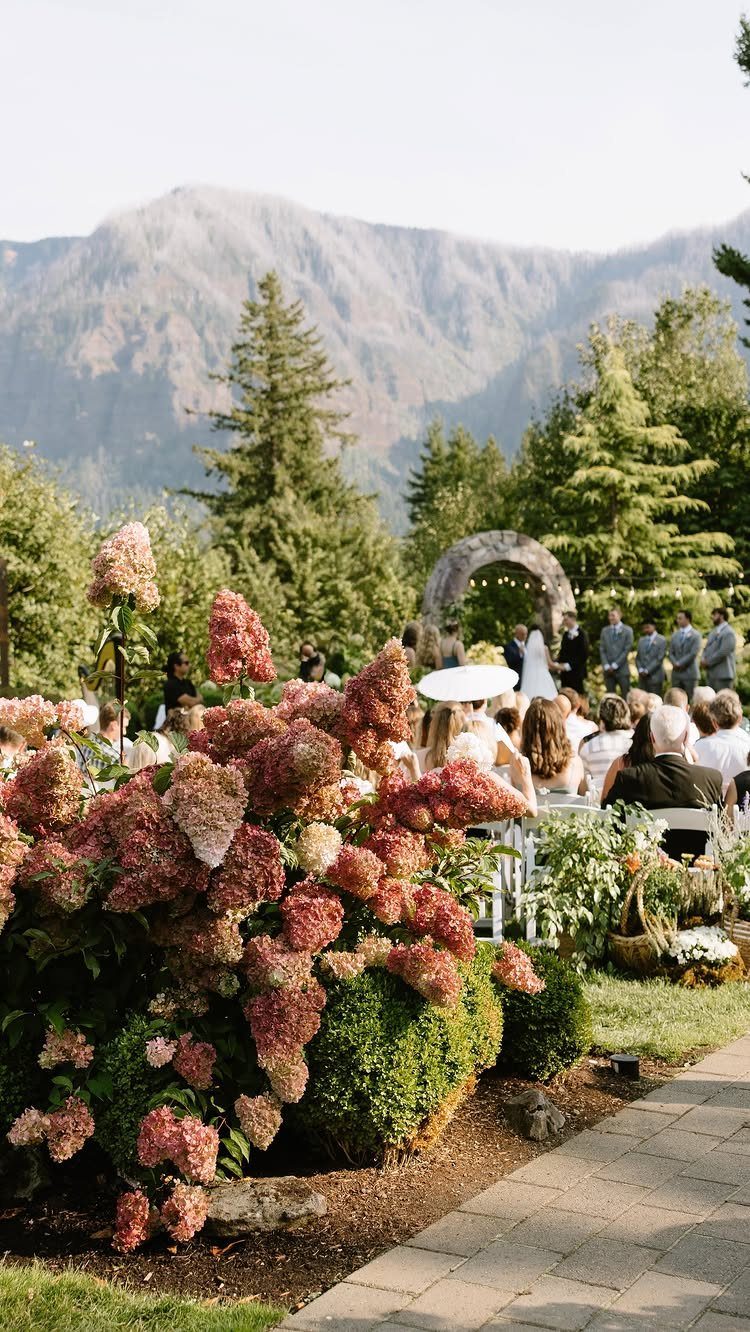
Mountain scenery is a natural backdrop that makes heavy decor optional. The elevation and views do the work, and you can keep ceremony setups simple.
Weather changes quickly at altitude, so plan for temperature swings between afternoon and evening.
Guests will need layers, and you may want heaters or a fire pit for the reception. High-altitude venues can affect some guests, so consider that when choosing your site.
Many mountain venues are remote, which adds travel time for vendors and guests.
Confirm whether the venue has indoor or tented backup space, and whether they provide tables, chairs, and power. If the site requires a hike or shuttle, factor in extra time for setup and guest arrival.
7. Ranch Wedding
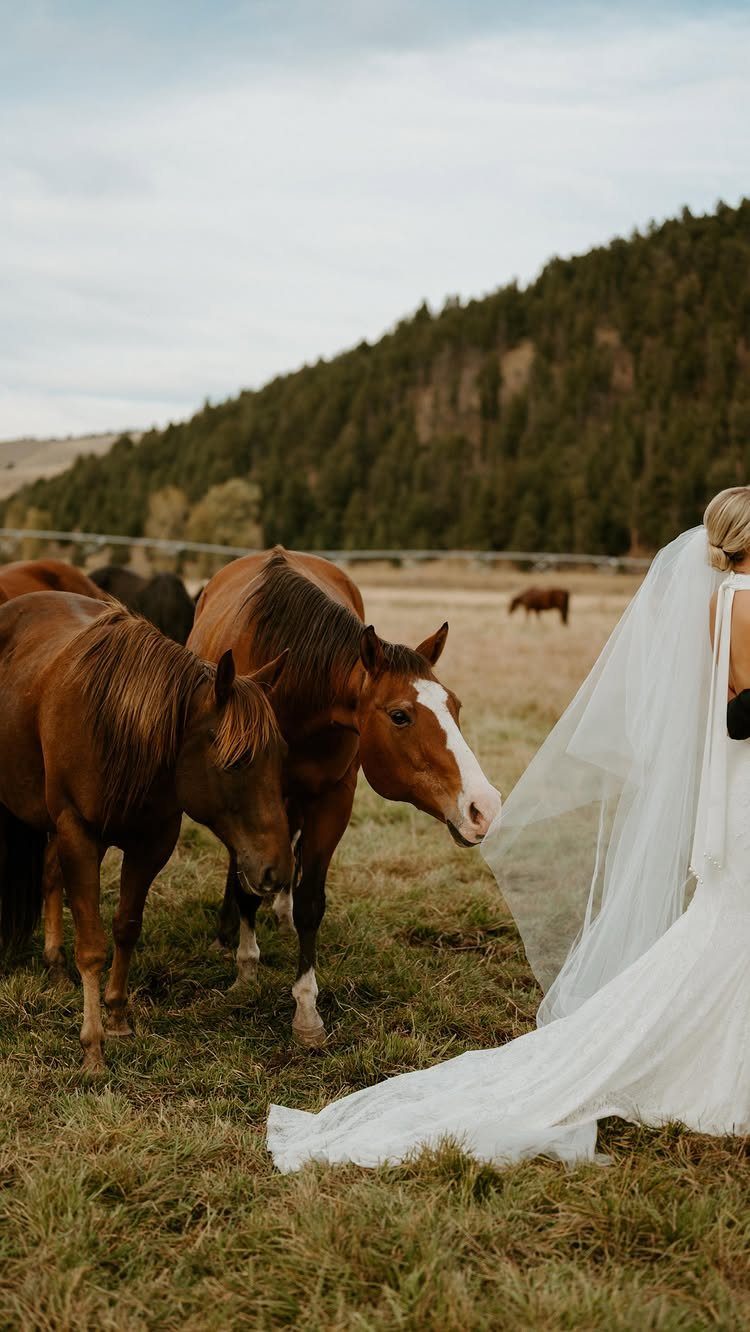
A ranch gives you pasture, open sky, and room to spread out. The setting leans rustic without requiring barn architecture, and you can hold the ceremony and reception on the same property.
Some ranches offer stables, corrals, or horses for your backdrop. Others are working properties, so confirm what areas are available during your event and whether livestock will be nearby.
Dust and uneven ground are common, so outdoor flooring or a platform may be needed for the ceremony. Most ranches do not provide tables or chairs, and you will need to bring in vendors for catering, bar, and restrooms.
8. Outdoor Tent Reception
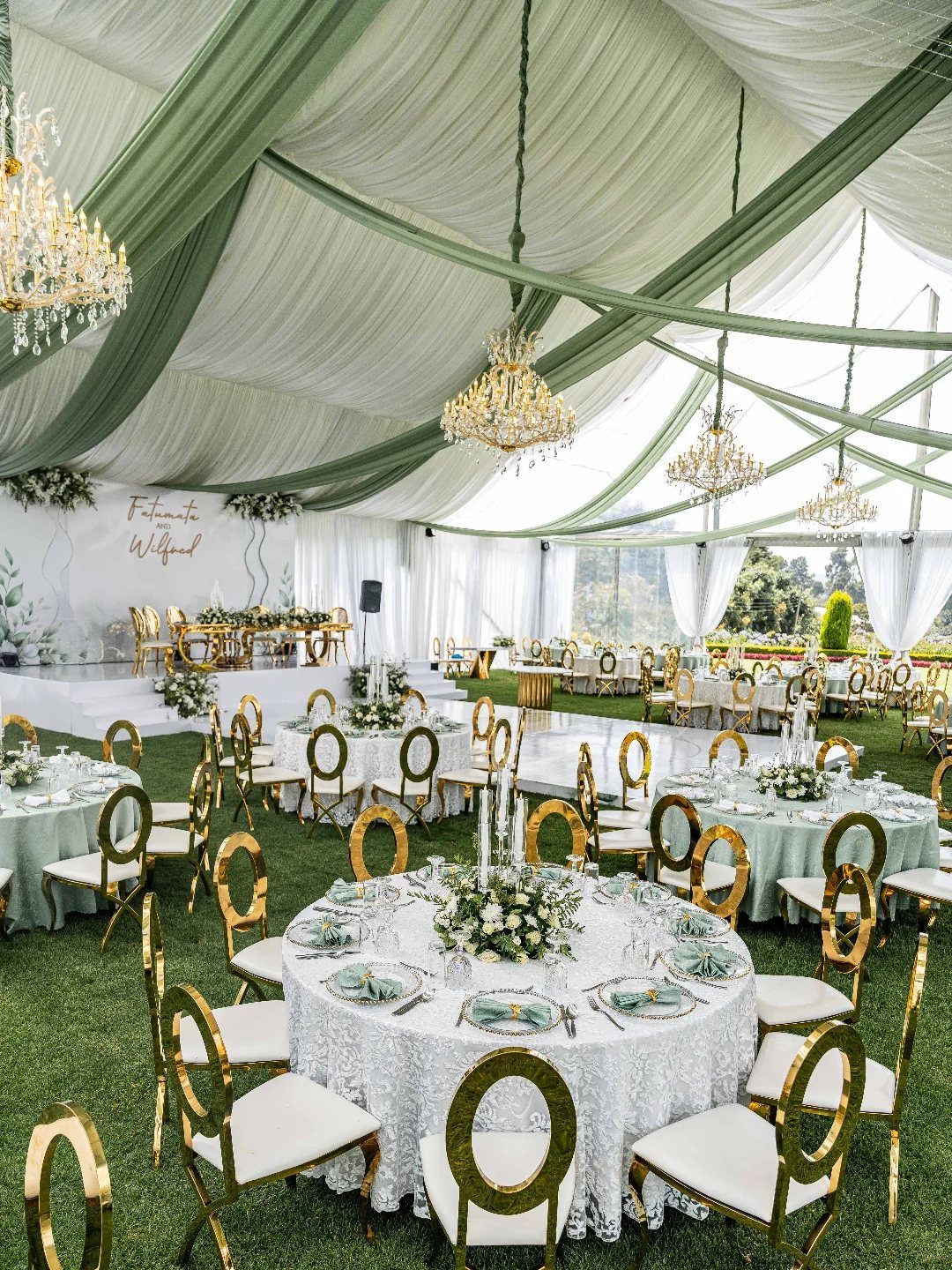
A tent turns an open field or lawn into covered reception space. You keep the outdoor setting but add protection from sun, wind, or rain.
Tent rental costs vary by size, style, and what is included.
A pole tent is less expensive but requires staking into the ground. A frame tent costs more and works on paved surfaces or when underground utilities block stakes.
Flooring, lighting, and climate control are separate rentals.
If the venue does not have power, you will need a generator. Ask whether the venue allows open flames under the tent, which affects candle use and some catering setups.
9. Forest Wedding Venue
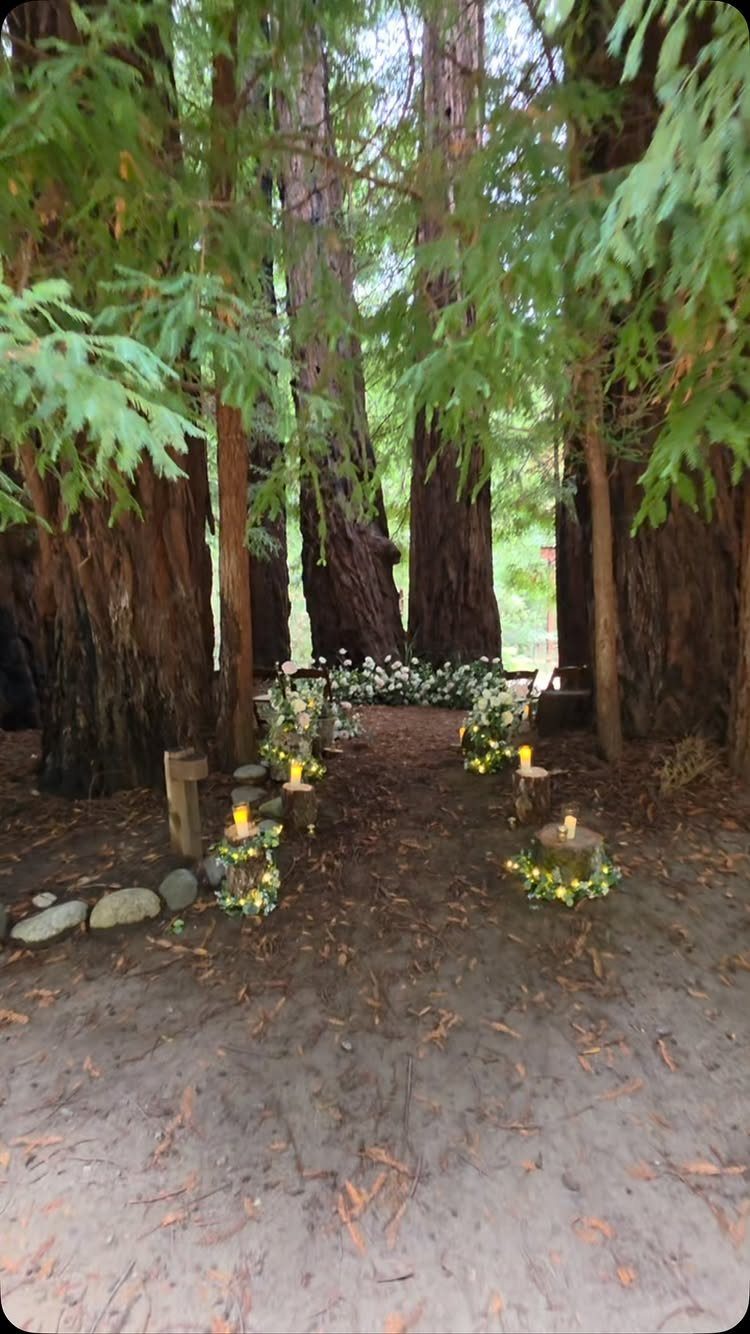
Trees provide natural shade and a quiet, enclosed ceremony space. The canopy and woodland floor do most of the visual work, so decor can stay minimal.
Forest venues are often remote, which can mean limited or no power for amplification or lighting. If the ceremony is late afternoon or evening, bring battery-powered or solar lighting for the aisle and guest seating.
Ground cover varies.
Some forest sites have clearings with grass or dirt paths, while others require temporary flooring to level the ceremony area. Confirm whether the venue allows stakes, candles, or setup that attaches to trees.
10. Outdoor Barn Wedding
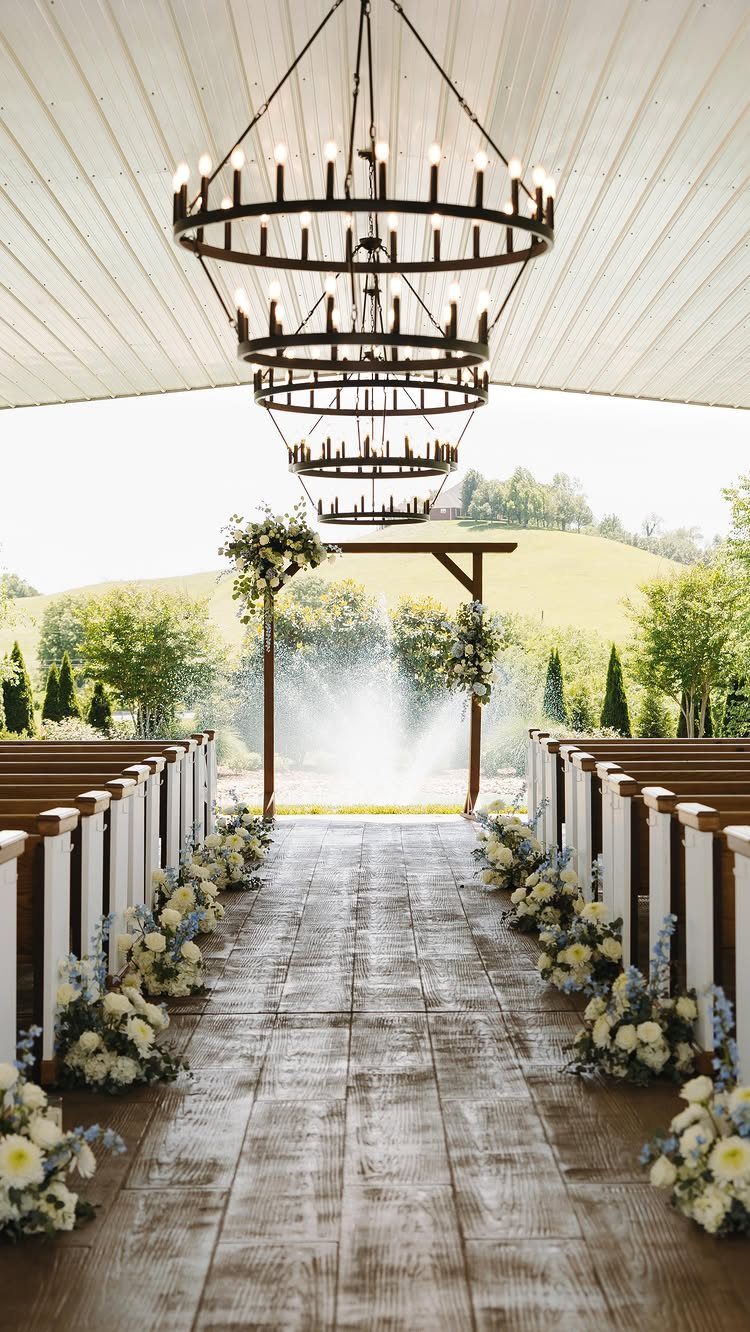
Barns give you rustic structure with adjacent outdoor space for the ceremony or cocktail hour. The building provides weather backup and a built backdrop, and the outdoor area keeps the event from feeling fully enclosed.
Most barn venues require you to bring in rentals for seating, tables, and sometimes restrooms. Some barns have been renovated with lighting, bathrooms, and climate control, while others are working farm buildings with minimal utilities.
If the ceremony is outdoors and the reception is inside the barn, plan for guest flow between the 2 spaces. Gravel or grass paths may need temporary flooring or signage, especially if guests are wearing dress shoes.
11. Indoor-outdoor Venue
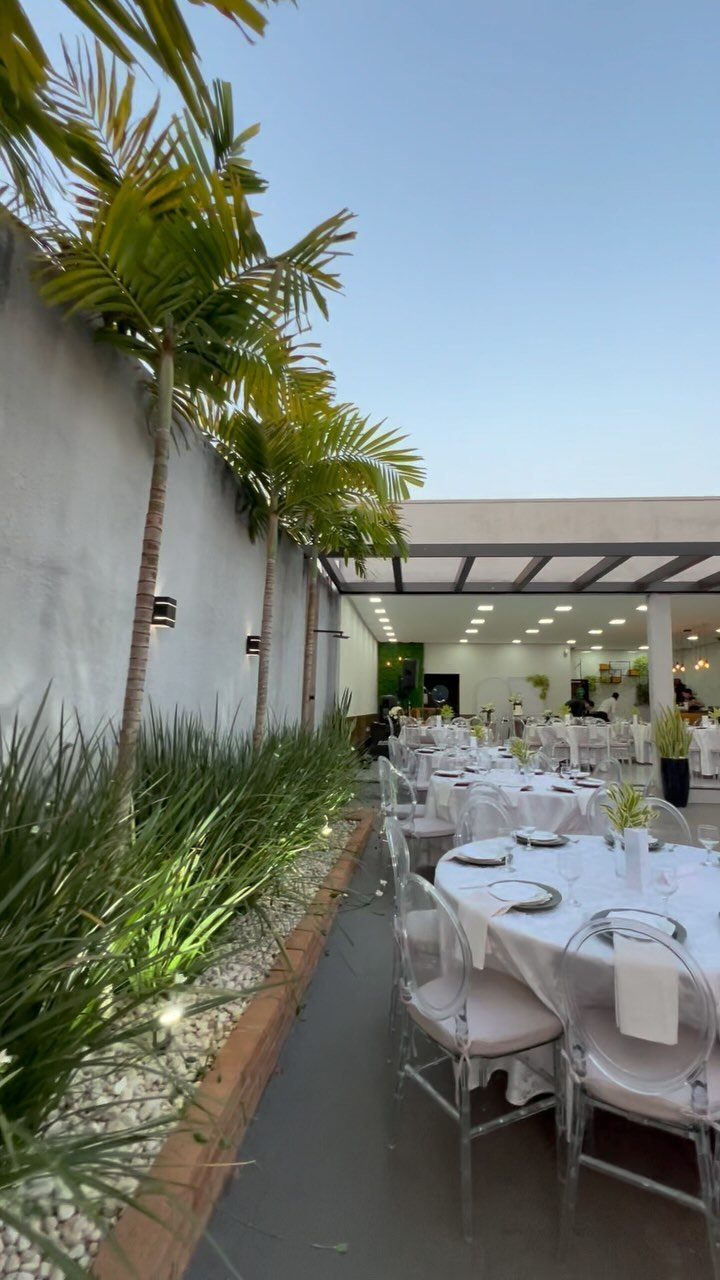
An indoor-outdoor venue lets you move between open-air and enclosed space without shuttling guests to a different location. You can hold the ceremony outside and shift the reception indoors, or use one space for cocktails and the other for dinner.
Guests get shade or warmth as needed, and you do not have to commit fully to an outdoor event.
Some venues include both in the rental fee, while others charge per space.
12. Beach Wedding Venue
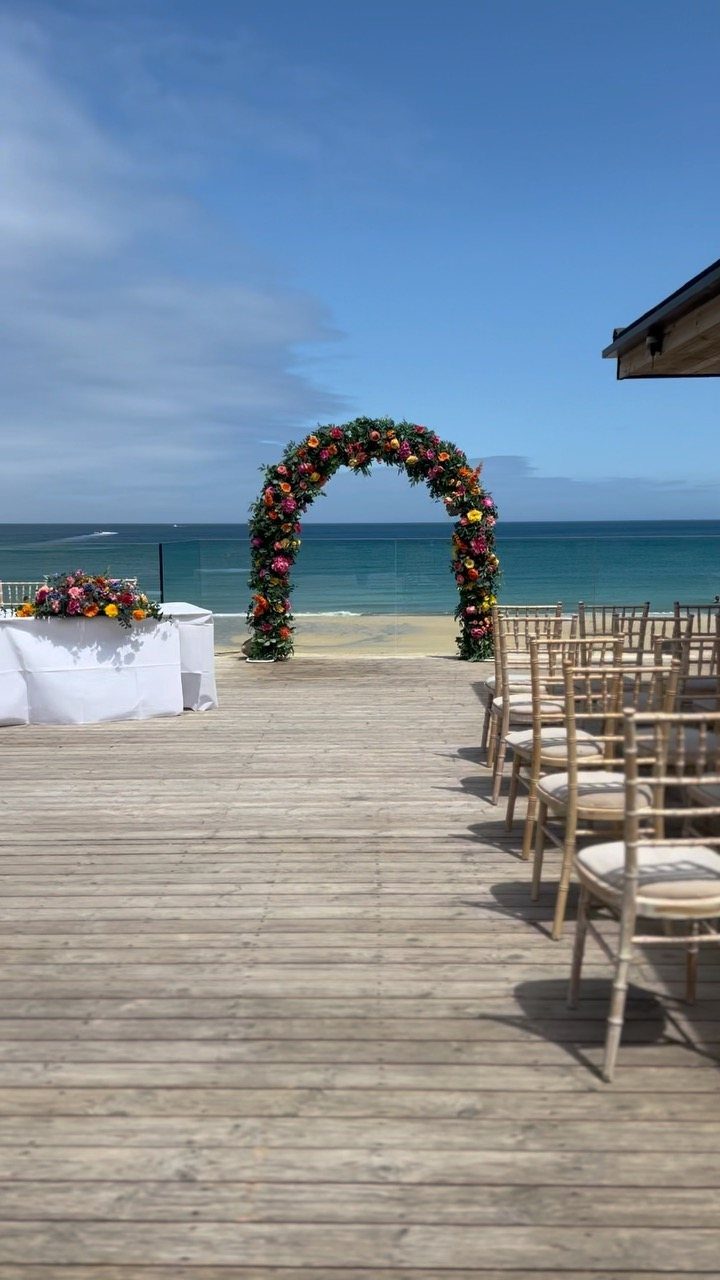
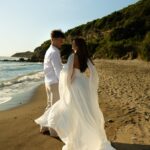
A beach ceremony puts the ocean or shoreline in view. The water and sand provide the backdrop, and decor can stay simple.
Wind is constant, so anything lightweight needs securing.
Programs, tablecloths, and standing signage should be clipped, weighted, or skipped. Hair and makeup hold better with extra product and lower, tighter styles.
Most beach venues do not provide seating or shade, so you will need to rent chairs and possibly a canopy or tent.
Sand makes high heels impractical for most guests. If the ceremony is at a public beach, confirm whether you need a permit and whether the venue has restroom access nearby.
13. Outdoor Lawn Ceremony
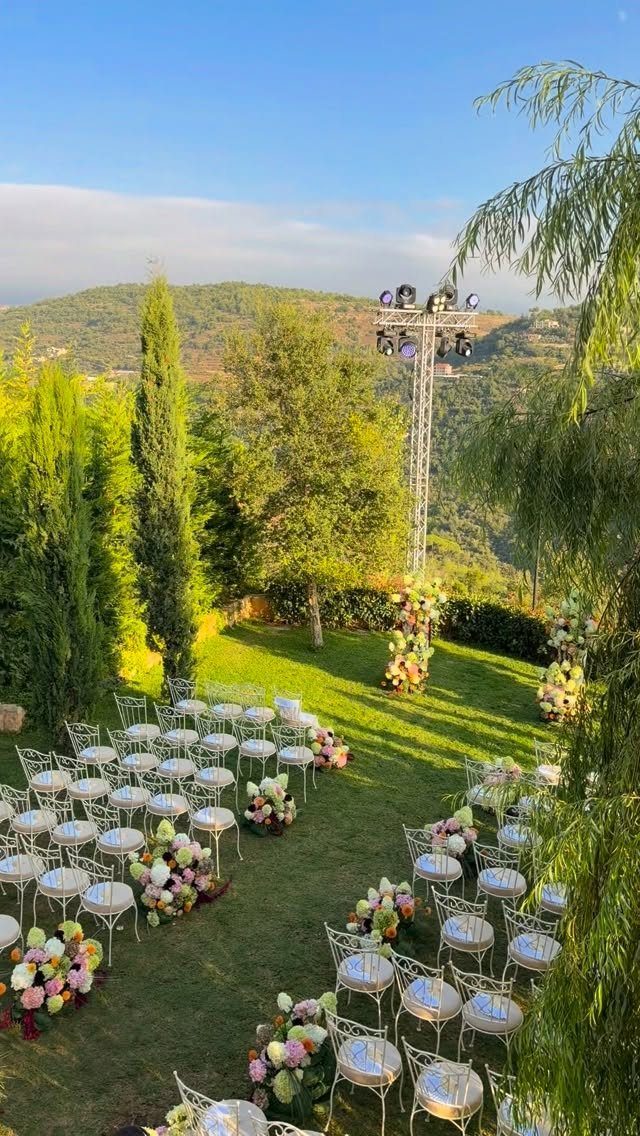
A lawn ceremony puts you outdoors with room to arrange seating however you want. The space is open, so you control the layout and sightlines without working around fixed architecture.
Most lawn venues let you set chairs in rows, a semicircle, or theater-style with a center aisle. Some lawn properties offer indoor areas you can use for the reception or as a fallback if weather turns.
14. Outdoor Courtyard Wedding
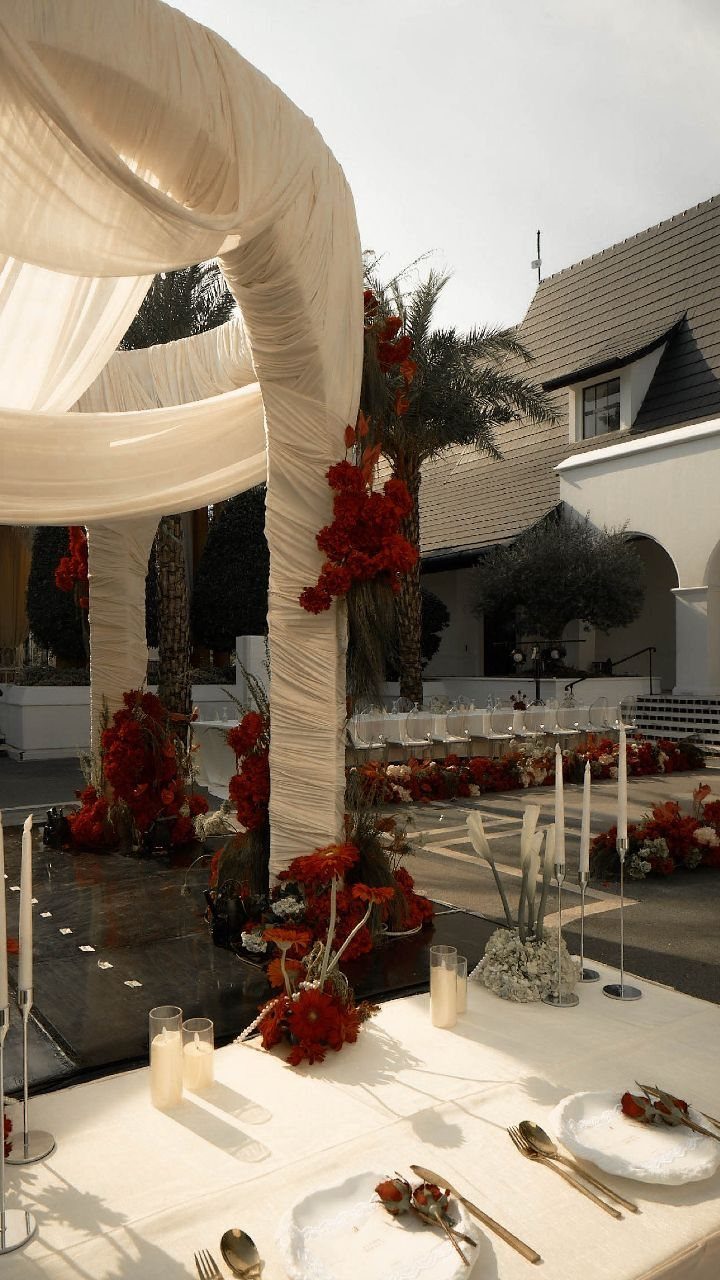
Courtyards offer walls or buildings on multiple sides, which gives you an outdoor ceremony with built-in shelter from wind. The enclosure also means you need less decor to define the space.
Some courtyards come with paving, fountains, or archways already in place. Others are simple brick or stone patios that you can dress up or leave plain.
If the courtyard is attached to a building, you may get indoor backup or a covered walkway for guests.
15. Victorian Estate Garden
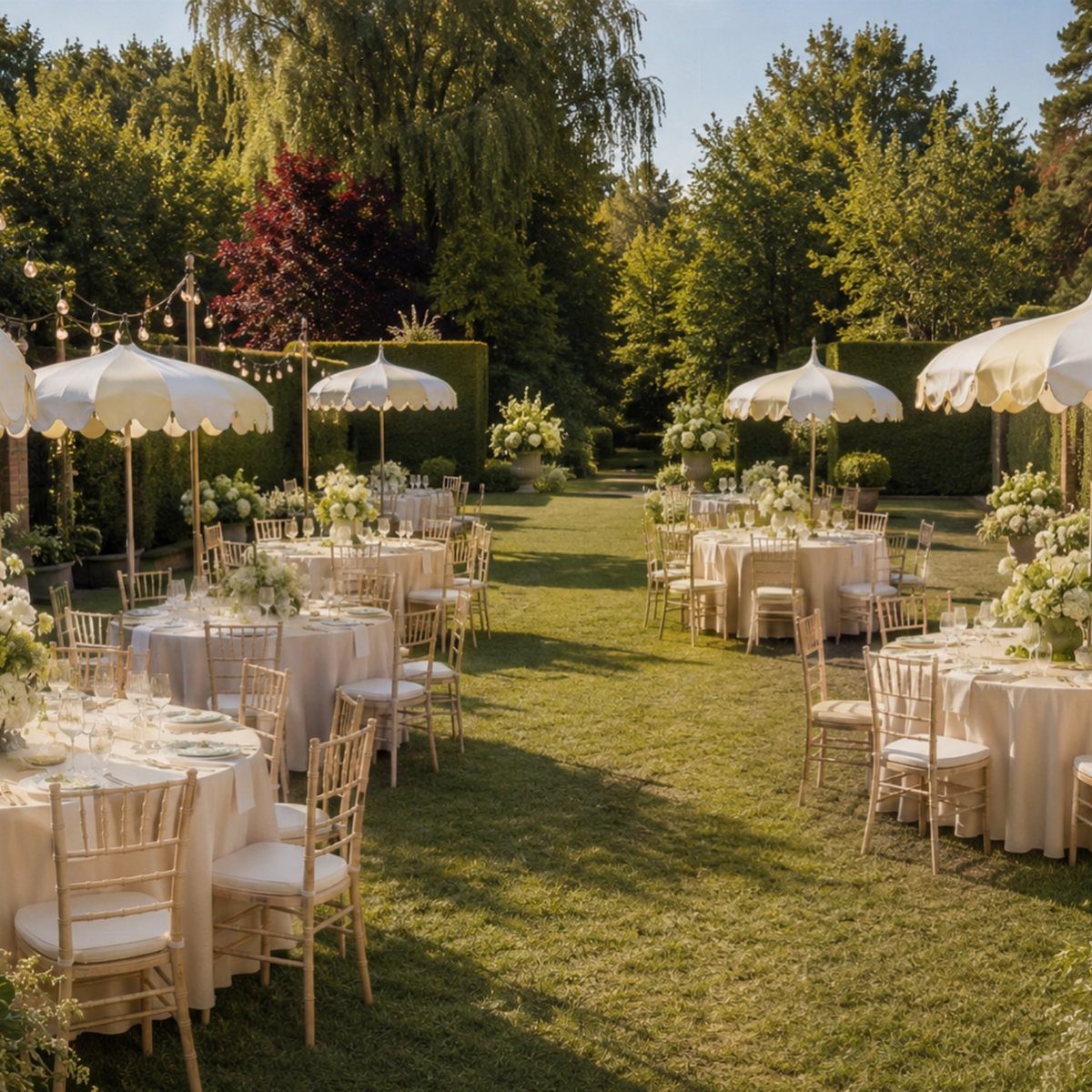
Victorian estates offer gardens that have been established for decades, so the plantings and trees are mature. The beds and lawns are usually formal, which gives structure without much added setup.
The estate may include terraces, pergolas, or garden rooms for different parts of the event. Some have indoor halls or conservatories for weather backup.
Ask what the venue provides in seating, tables, and restrooms, and whether there are restrictions on decor or setup.
16. Winery Lawn Ceremony
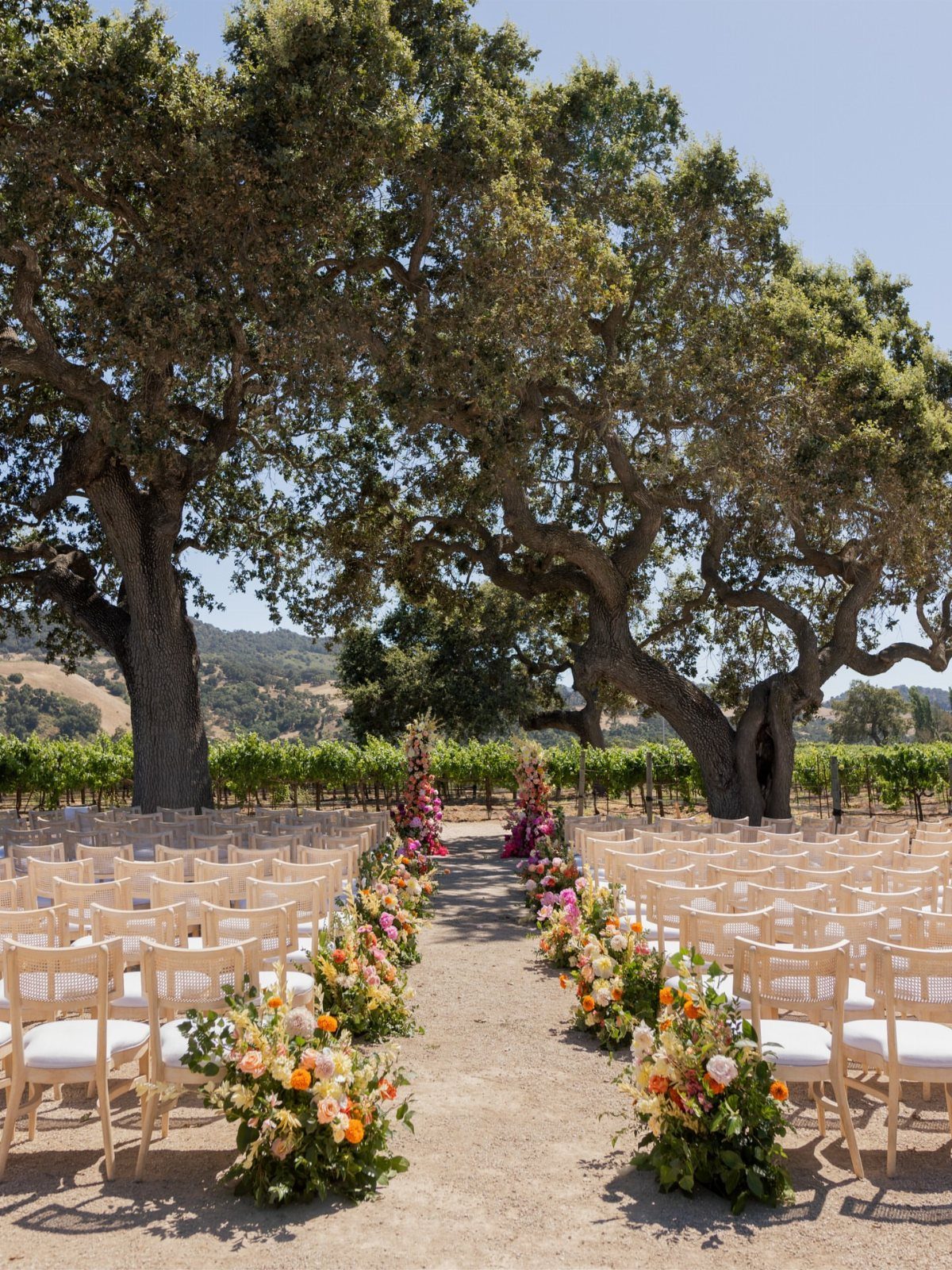
Winery lawns combine vineyard rows with ceremony space on the grass. You get the wine-country view without holding the event among the vines, which keeps the aisle and seating on level ground.
Some wineries offer shade trees or a covered arbor for the ceremony, while others are open lawn with no built structure. If the ceremony is in full sun, guests may need fans or parasols.
Many wineries also have tasting rooms or pavilions for the reception.
17. Historic Vineyard Estate
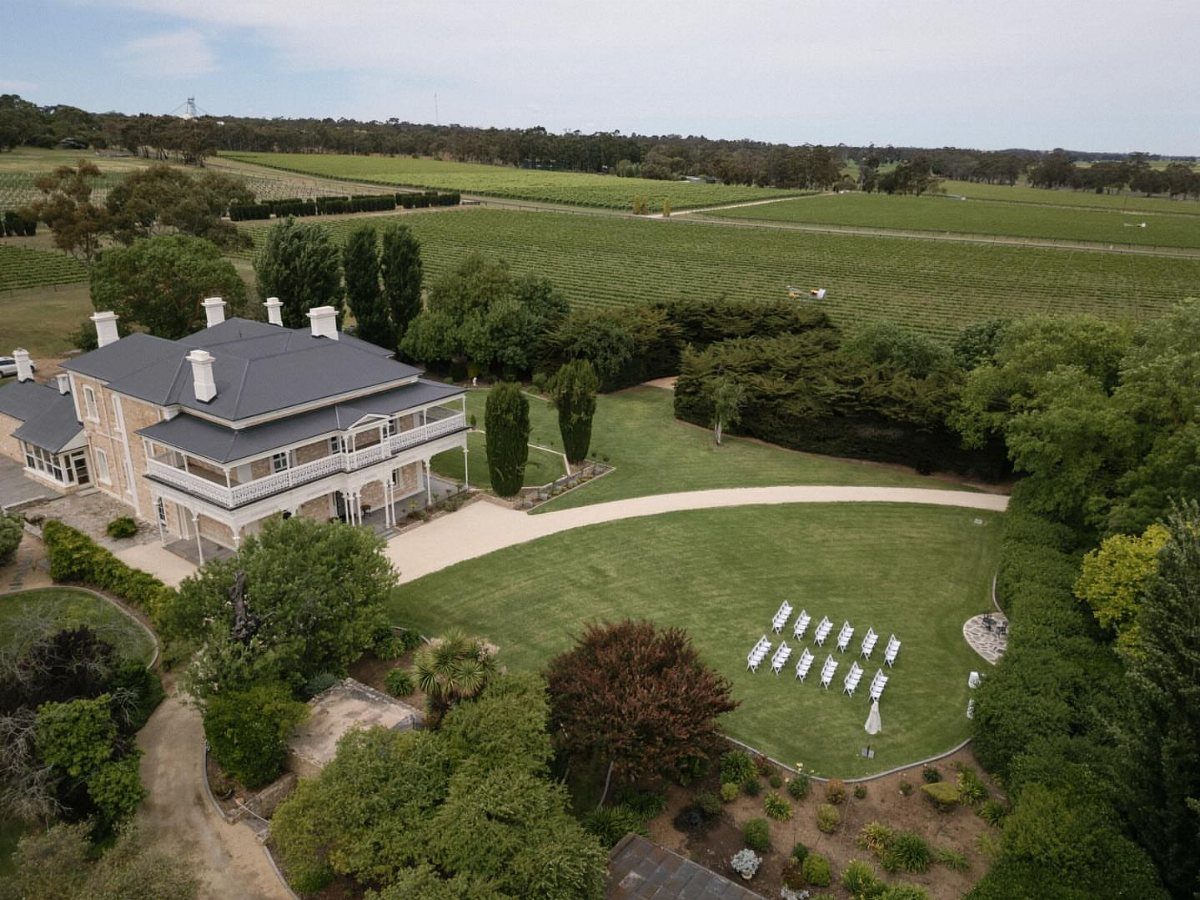
A historic vineyard estate pairs a mansion or manor house with estate grounds and vineyard views. You get formal architecture and wine-country scenery in the same location.
The mansion often provides indoor space for getting ready, cocktail hour, or a backup plan if weather shifts. Some estates allow the ceremony on the lawn with the reception inside, or both outdoors.
Confirm what is included in the fee and whether you need a tent for outdoor reception space.
18. Olive Grove Estate
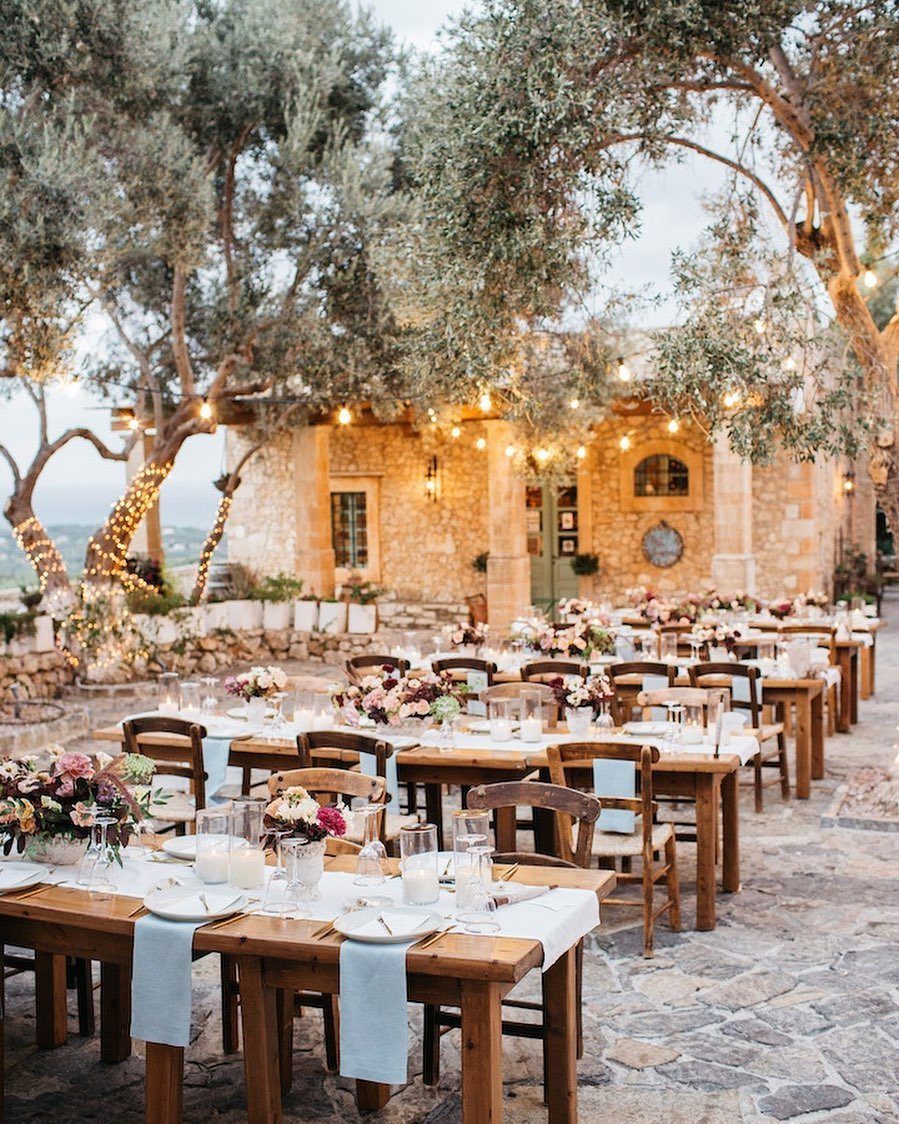
Olive groves offer silvery-green foliage and a Mediterranean look. The trees provide natural shade for a ceremony or reception, and the setting leans rustic without needing heavy decor.
Some olive grove estates have stone buildings, patios, or pergolas on the property.
If the reception is under the trees, string lights or lanterns add evening lighting.
19. Botanical Garden Wedding
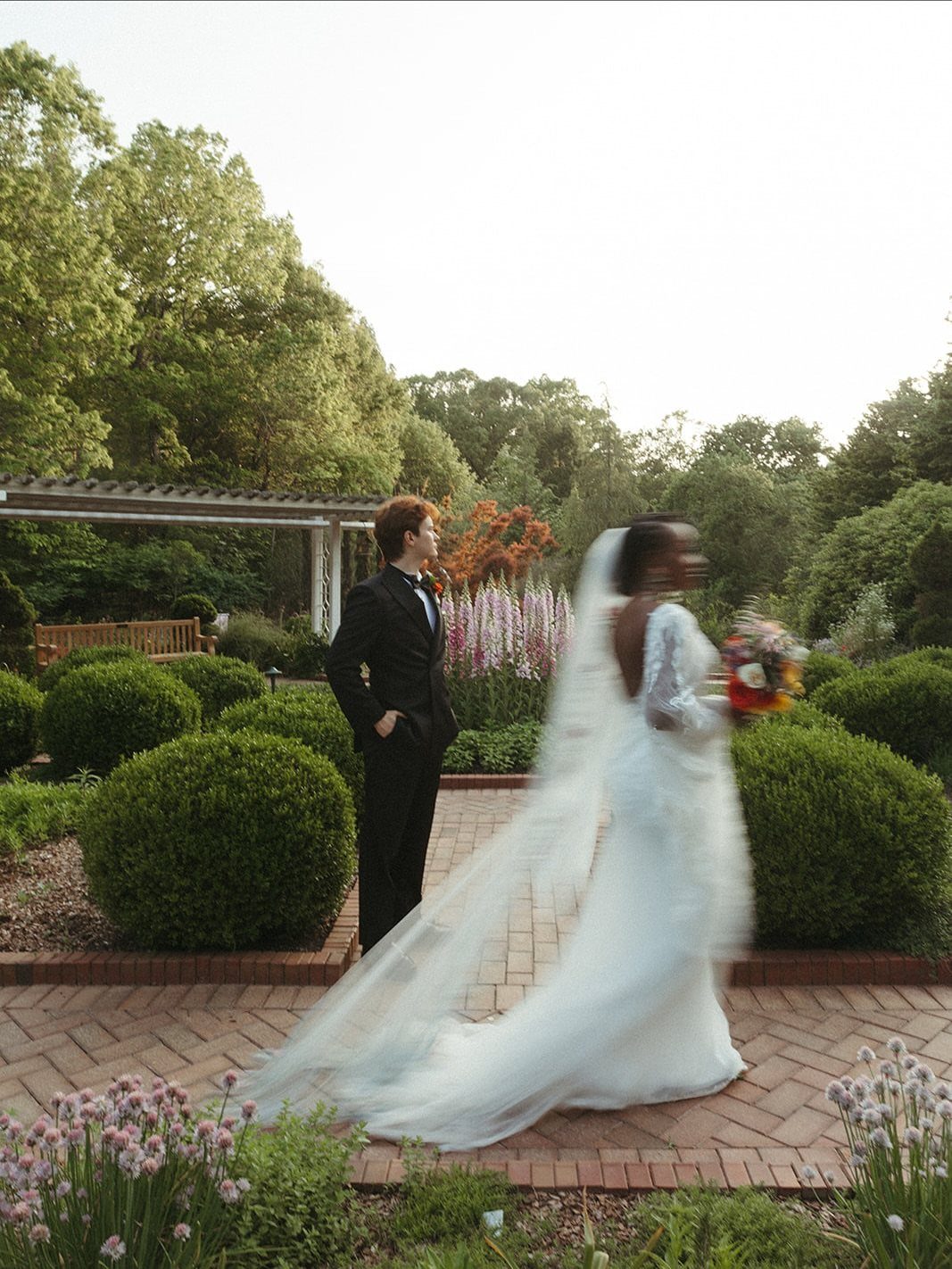
Botanical gardens have established plant collections arranged by region, climate, or bloom season. You move between settings without leaving the property, and the garden supplies most of the visual interest.
Some gardens designate specific areas for ceremonies, while others let you choose a site within the grounds. Confirm whether the venue fee includes access to multiple garden rooms or only one section.
Floral decor becomes optional when the beds are already in bloom. If your date falls outside peak season for the garden, ask what will be flowering and whether that affects your ceremony location.
20. Redwood Meadow Wedding
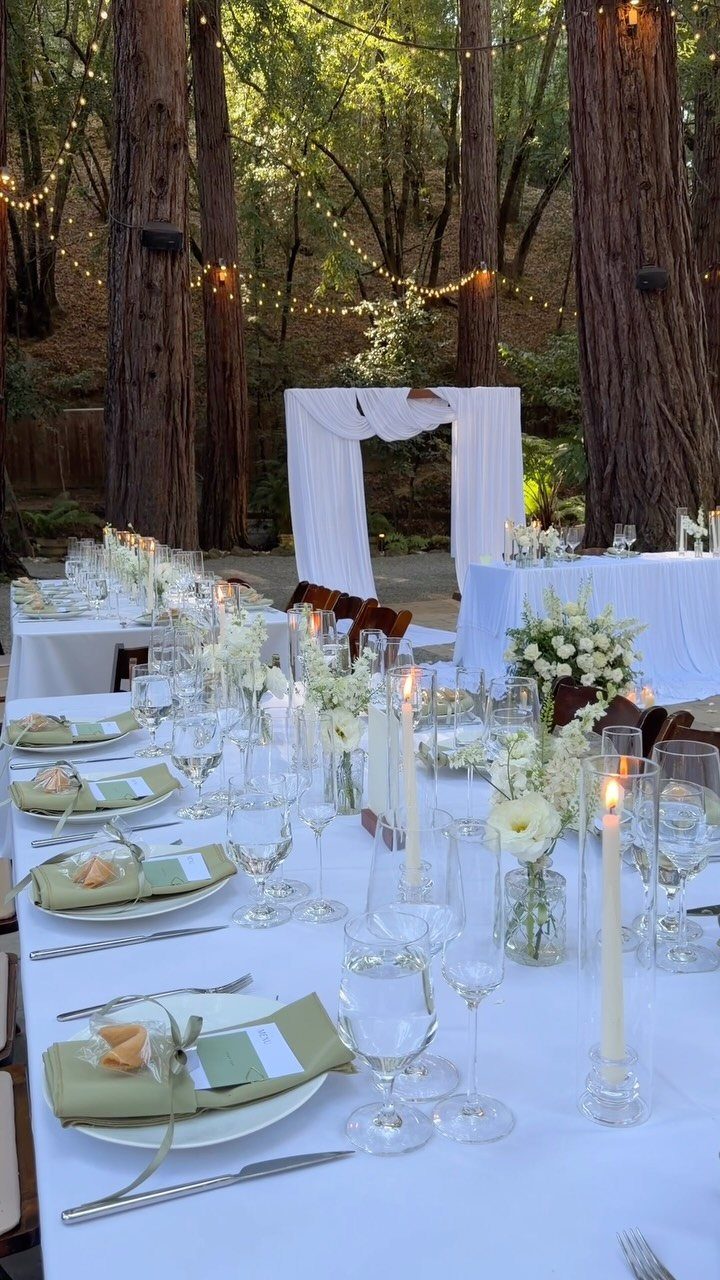
Redwood groves frame a meadow where you can set tables and chairs for the reception. The trees provide height and scale, and the open grass in the center gives room for dining and dancing.
String lights run between the redwoods to add evening lighting. Some redwood sites have level ground, while others require flooring or a platform to stabilize tables and chairs.
The grove stays cooler than open lawn, so guests may need layers by late afternoon. Confirm whether the venue allows stakes or anchors in the ground for tent poles or lighting.
21. Tree-shaded Ceremony Lawn
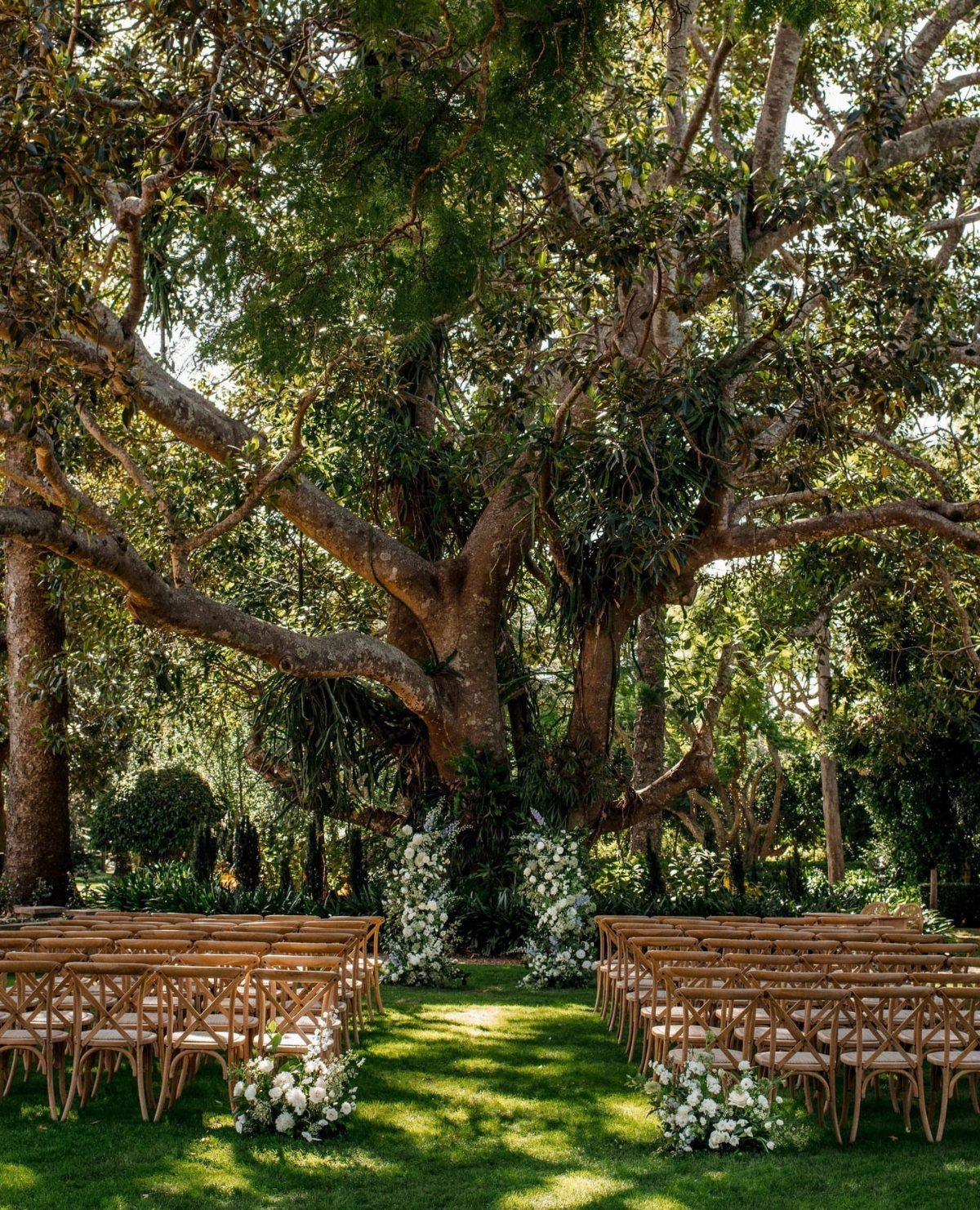
One large tree becomes the ceremony focal point. The canopy provides shade, and the trunk acts as a natural backdrop for the altar or arch.
Wooden chairs can sit directly on the lawn if the ground is level. Uneven turf may need temporary flooring or a mat under the ceremony area.
Trees with low or spreading branches may limit where you can place taller floral arrangements.
22. Modern Glass Chapel
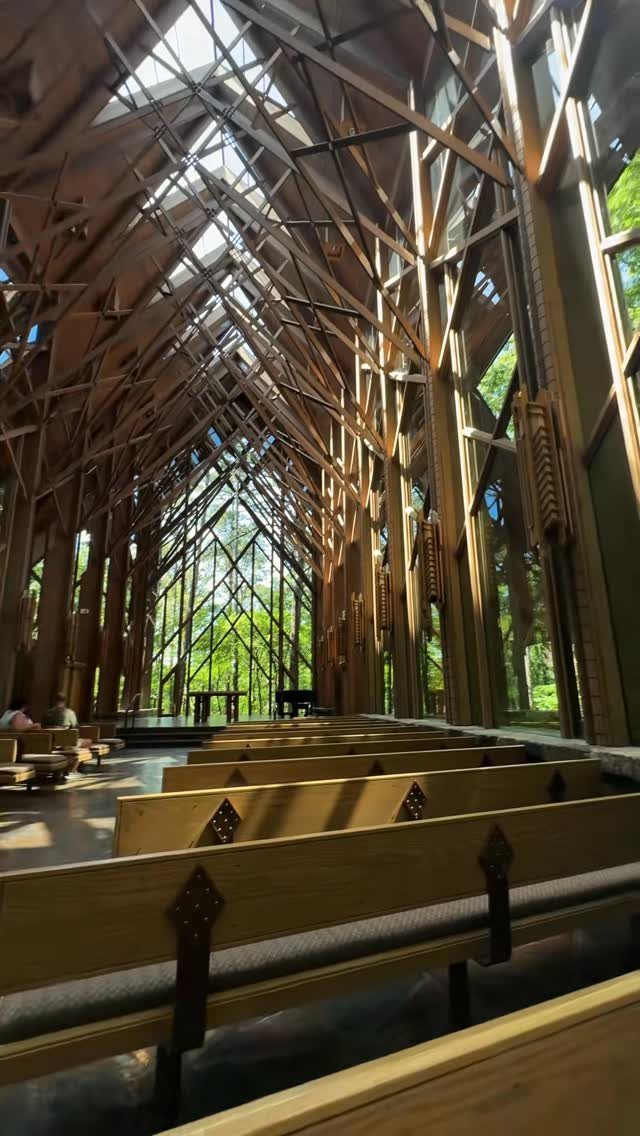
Glass walls bring the forest into view without putting the ceremony fully outdoors. The structure is climate-controlled, so weather does not dictate your timeline or backup plan.
The timber beams and geometry supply the architecture, which means ceremony decor can stay minimal. Pews or chairs are usually fixed, so confirm the seating layout before choosing aisle arrangements.
If the chapel faces west, late afternoon light through the glass can be bright. Ask whether the venue has blinds or shades, or plan the ceremony timing around the sun angle.
23. Riverside Reception Lawn
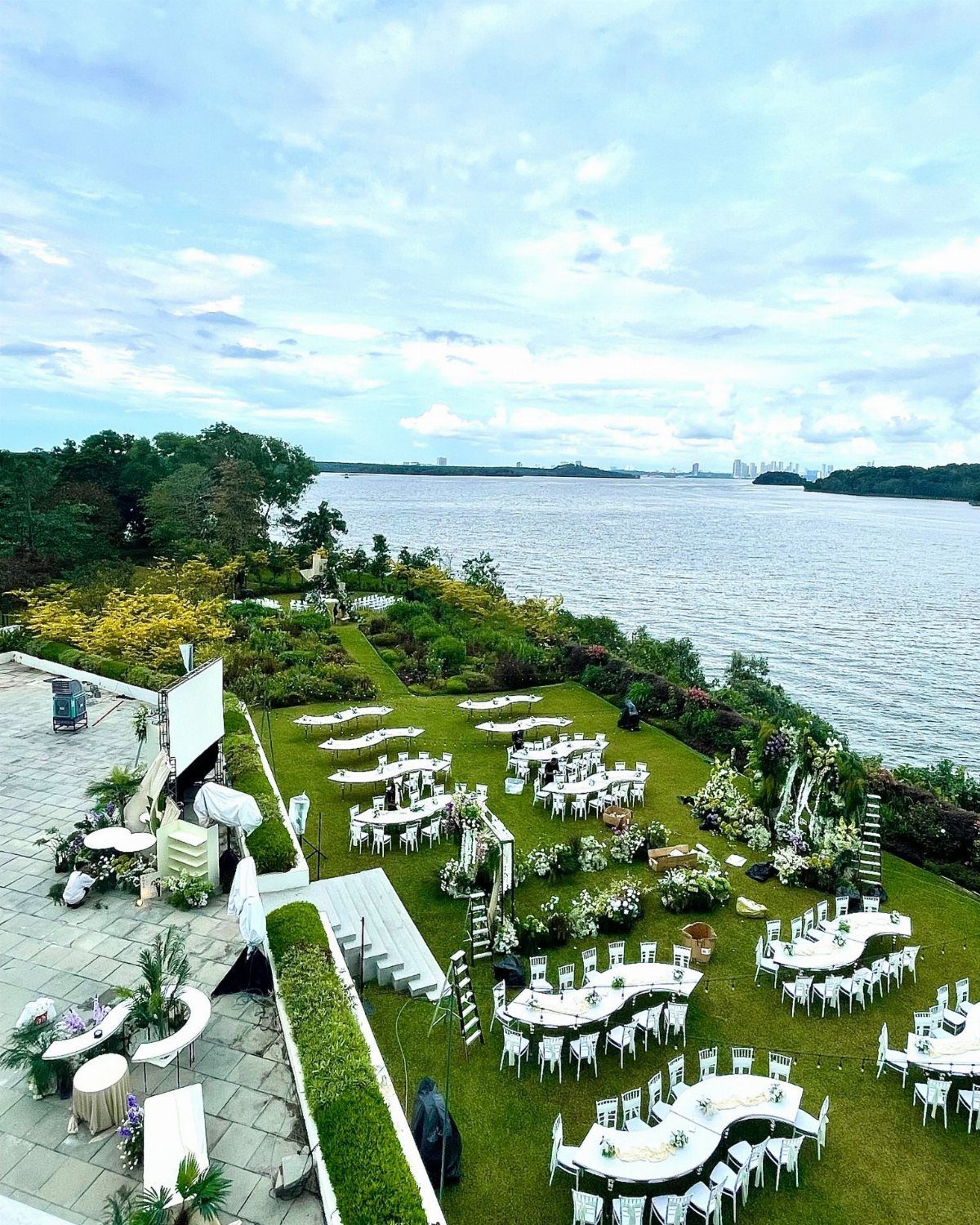
A riverside lawn puts water in view without beach sand or direct waterfront wind. The grass is level for tables and chairs, and the river provides a natural backdrop that needs no screen or draping.
Some riverside venues include a dock or path down to the water. Others keep the reception on the upper lawn with the river visible in the distance.
If the site slopes toward the water, confirm whether the venue provides a level platform or whether you need to bring in flooring for the dining area.
Plan for Outdoor Weather
Ask about weather backup before you book. Others require a tent, which becomes a separate line item that can run several thousand dollars depending on size and features.
If the venue has no indoor option and no room to pitch a tent, rain means moving the event or risking an outdoor ceremony in bad weather. Either one is a problem.
Check the backup plan for capacity.
Indoor space that fits part of your guest list but not all of it still leaves you renting a tent. Check if the indoor space comes with tables and chairs or if you need to rent those separately.
Pittsburgh weather shifts throughout the year, and summer thunderstorms arrive with little warning. A concrete plan matters more than optimism about the forecast.
Frequently Asked Questions
How much does a simple outdoor wedding cost?
Cost depends on the venue type and what is included.
Garden venues and golf courses often bundle some tables and chairs, while ranches and forest sites require separate rentals for everything from seating to restrooms, which can add several thousand dollars to the total.
Is $10,000 a lot for a wedding venue?
Historic estates and waterfront venues tend to charge higher rental fees, often reaching or exceeding that figure.
Simpler outdoor sites like lawns or ranches run lower, but you will spend more on rentals for tables, chairs, and tents if those are not included.
When is the best time for an outdoor wedding in Pittsburgh?
May through October covers the warmest months, with May and September offering milder temperatures without summer heat and humidity.
How to plan for inclement weather when planning an outdoor wedding in Pittsburgh?
Check whether the backup space can hold everyone you invited, not just a fraction of your list. Tents start in the low thousands for a basic pole style and climb quickly when you add sidewalls, flooring, or climate control.
Do I need a tent for an outdoor wedding?
If the venue has no indoor backup space, a tent is required for rain protection.
Even when indoor space is available, a tent adds shade, climate control, and a structure for lighting and decor that keeps the event from feeling exposed.