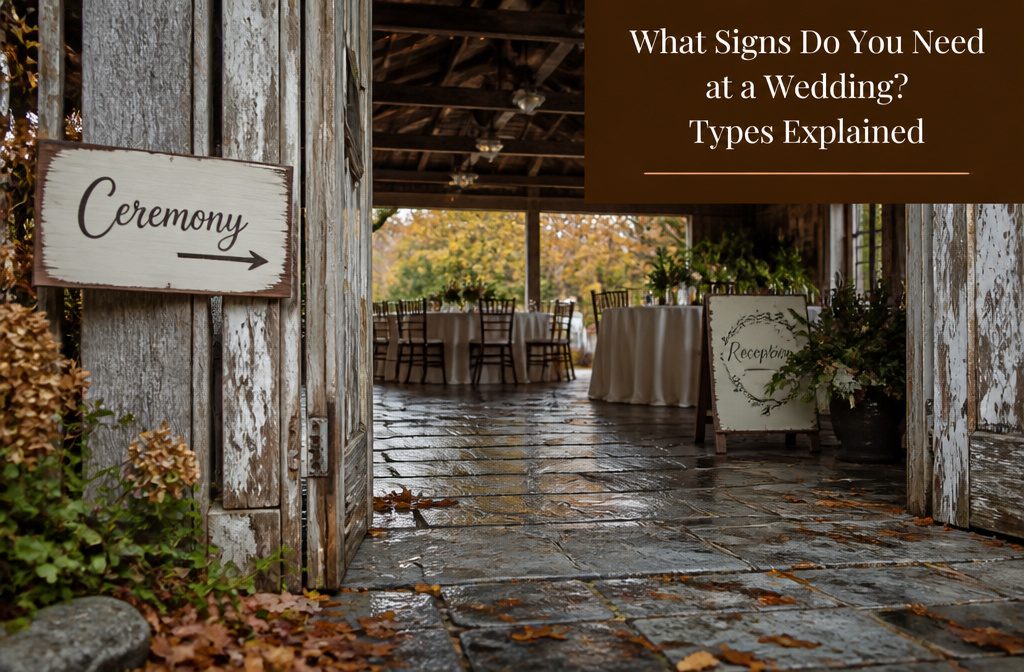
Most weddings need between eight and twelve signs total: three to four for the ceremony, four to six for the reception, and one or two for wayfinding or logistics. That count shifts with venue layout more than guest count.
A compact single-room space with fifty guests might need only five signs, while a multi-building property with the same headcount could need ten if guests have to navigate between ceremony and reception spaces without getting lost.
1. Welcome Sign
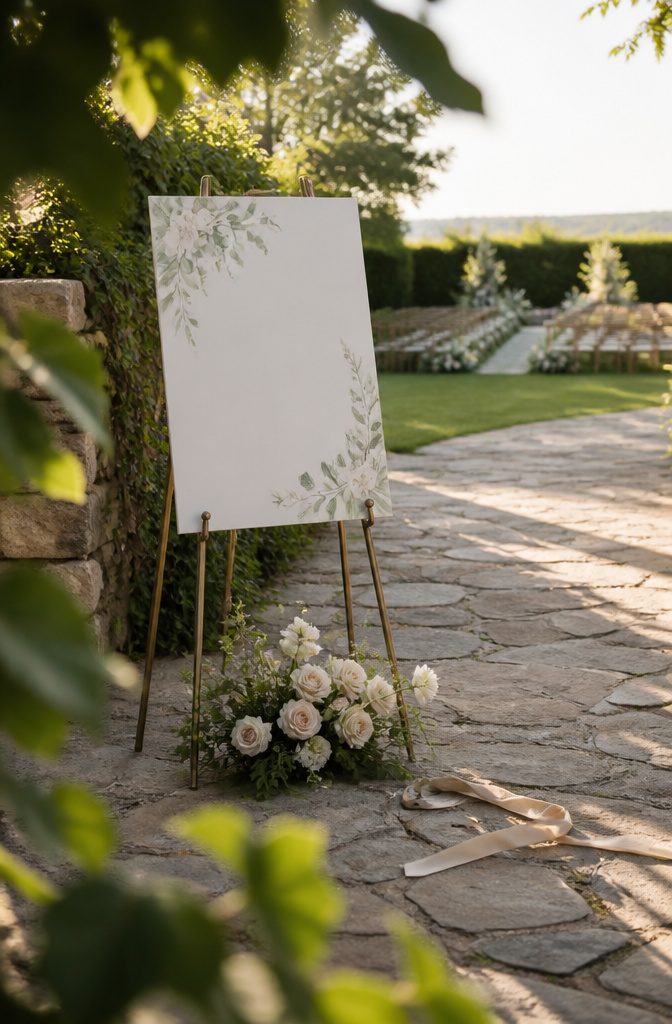
A welcome sign greets guests at the entrance and confirms they have arrived at the right venue or room. Every source I looked at ranked it as the single most important piece of signage you will use.
For outdoor venues or venues hosting multiple events at once, the welcome sign also acts as a wayfinding marker so guests know which ballroom or garden to head toward.
Most entrance welcome signs run 18″ × 24″ to 24″ × 36″ for a standard doorway, large enough to be read from a comfortable distance.
A1 size (23″ × 33″) up to A0 (33″ × 47″) works for most venues, while smaller A2 (16″ × 23″) fits intimate settings where the sign sits close to where guests arrive.
The wording should be readable in three seconds, so stick to your names and a short welcome line rather than a paragraph of text.

"Customize Now" this Wedding Welcome sign

ELEGANT WELCOME SIGN STAND FOR A BEAUTIFUL FIRST IMPRESSION: Create a warm and memorable first impression with this 50" welcome sign stand. Its clean, timeless design complements modern, rustic, classic, and romantic wedding themes, making it perfect for “Welcome to Our Wedding” signs, seating charts, and event décor.
2. Seating Chart or Seating Assignments
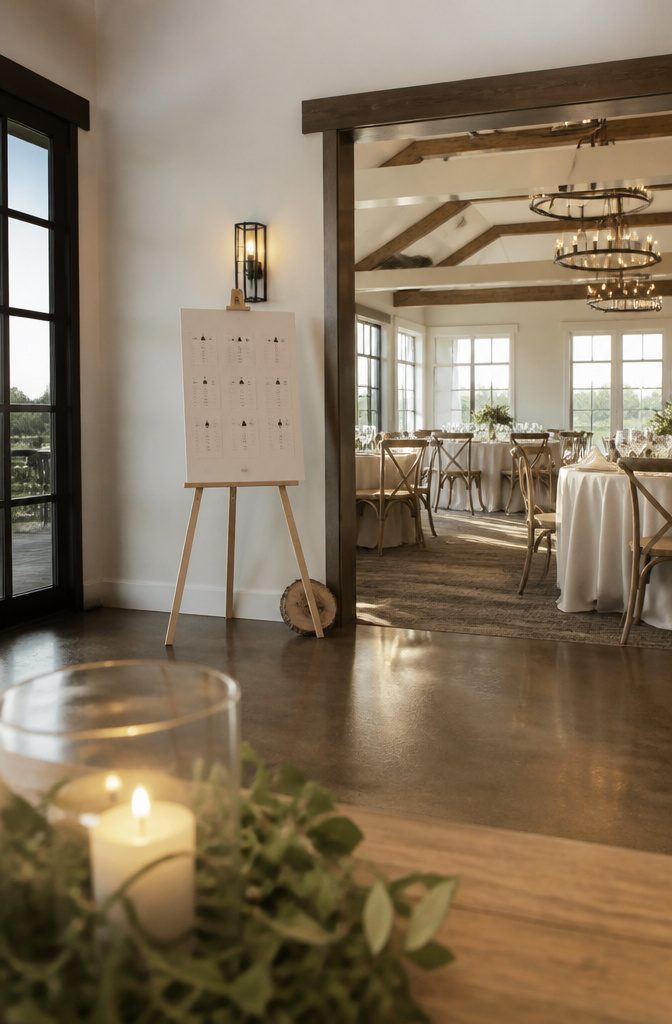
A seating chart belongs at the reception entrance when you’ve assigned tables, particularly for a sit-down dinner.
Without one, guests wander the room hunting for their names while servers try to plate food and the timeline slips. The chart answers the question before it gets asked.
The standard size for a seating-chart sign runs 36″ × 48″ to 48″ × 72″ when it doubles as a welcome board, large enough that guests can read it without crowding.
Smaller weddings with only a few tables can skip the chart altogether and rely on place cards at each seat, but once you pass that threshold, the chart becomes the faster option.
Table numbers are non-negotiable either way. Guests need them to cross-reference the chart, and servers need them to deliver the right entrées.
I like when venues supply table numbers as part of the rental package, but if yours does not, a wooden or acrylic number that sits in the centerpiece handles the job without taking up separate real estate.
The material can reinforce your aesthetic: textured wood reads rustic, black-and-white prints or clear acrylic skew formal.

Comprehensive Set: this package includes 1 wedding seating chart board and 15 rose-style wax seal stickers; The combination of the transparent board and the exquisite stickers adds a touch of romance and sophistication to your wedding decor

💍 Designed for Brides & Wedding Planners - Create a warm first impression while helping guests easily find your wedding seating chart. Featuring Our Favorite People and Please Find Your Seat, this mirror decal is ideal for weddings, receptions, rehearsal dinners, bridal showers, and engagement celebrations.
3. Table Numbers or Names
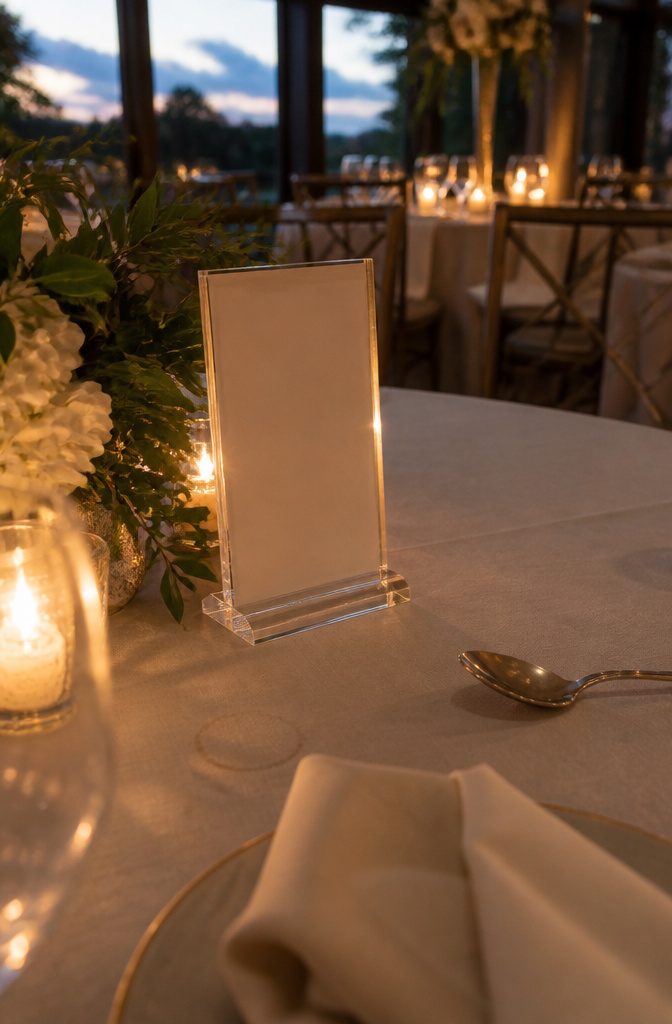
Table numbers do the second half of the job the seating chart starts: they connect the name on the chart to the physical table a guest needs to find.
Without them, even a perfectly organized seating chart leaves people scanning the room with no idea which table is theirs.
Most table number signs run 4″ × 6″ to 5″ × 7″, small enough to sit on the table without blocking conversation but large enough to read from a few feet away.
You can go with numerals only or give each table a name instead. Table Venice, Table Brooklyn, Table Oahu if you want something more personal than numbers.
The named approach works best when the names tie back to something guests will recognize about you as a couple, otherwise the numbers are cleaner and guests find their seats faster.
Match the style to the rest of your signage so the room feels intentional rather than patched together from different stores.

Elegant Wooden Table Numbers: These table numbers (1-20) are crafted from high-quality wood for a timeless, rustic appeal.

1. ✨ All-in-One Wedding & Party Essential Stop juggling separate holders for everything! Our elegant card holder stand securely displays your table numbers, place cards, wedding menus, and even your favorite photos. It's the only display solution you'll need to create a cohesive and stylish look for your big day.

1. ✨ All-in-One Wedding & Party Essential Stop juggling separate holders for everything! Our elegant card holder stand securely displays your table numbers, place cards, wedding menus, and even your favorite photos. It's the only display solution you'll need to create a cohesive and stylish look for your big day.
4. Bar, Drink, or Cocktail Sign
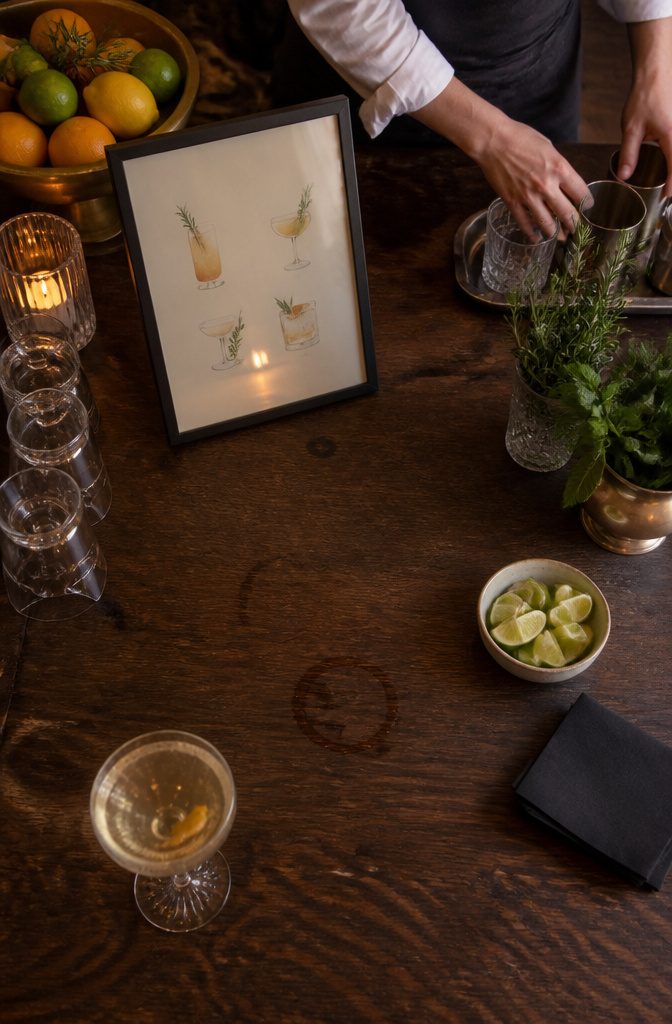
A bar sign lists what drinks are available so guests know their options without holding up the line.
If you are serving signature cocktails, a sign with the drink names and a quick description of what is in them saves the bartender from explaining the same thing forty times and gives guests a clear reason to try something they might not order otherwise.
The size depends on how much you are listing. An 8″ × 10″ to 11″ × 14″ frame works for most bar menus, whether that is a few signature drinks or a full list of beer, wine, and cocktails.
Larger signs read from farther away but take up more space on the bar, so match the size to how crowded the setup already is.
Naming the drinks after the couple or the wedding location makes the sign feel less like a menu and more like part of the day.
The sign also doubles as a styling piece near the bar, so treat the design the same way you would the rest of your signage rather than printing it on plain card stock at the last minute.

Encourage Guests to Experience the Ceremony, Not the Screen: Many couples spend months planning a meaningful ceremony, yet guests can sometimes experience important moments through phone screens instead of being fully present. This unplugged wedding sign provides a polite reminder to set devices aside, helping guests focus on the vows, emotions, and memories unfolding in real time. The result is a more connected and memorable experience shared between the couple and their loved ones.

Double-Sided Printing: Designed for maximum visibility, our signs feature double-sided printing, ensuring clear directions from any angle, ensuring your guests can easily find the parking area.
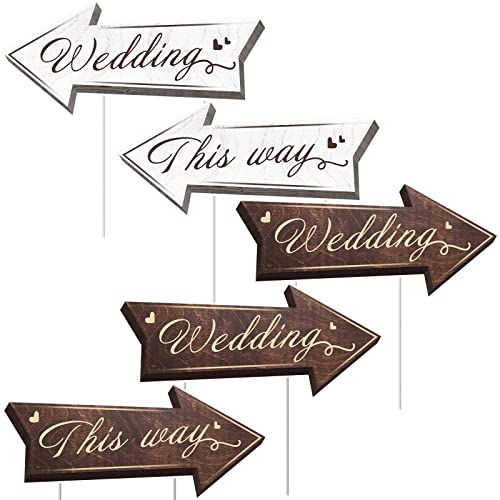
🎈Exquisite Double-sided Printed : The wedding directional signs are exquisite double sided printed, No matter which direction the guest comes from, it can guide the guest to the right direction.
5. Directional Signs
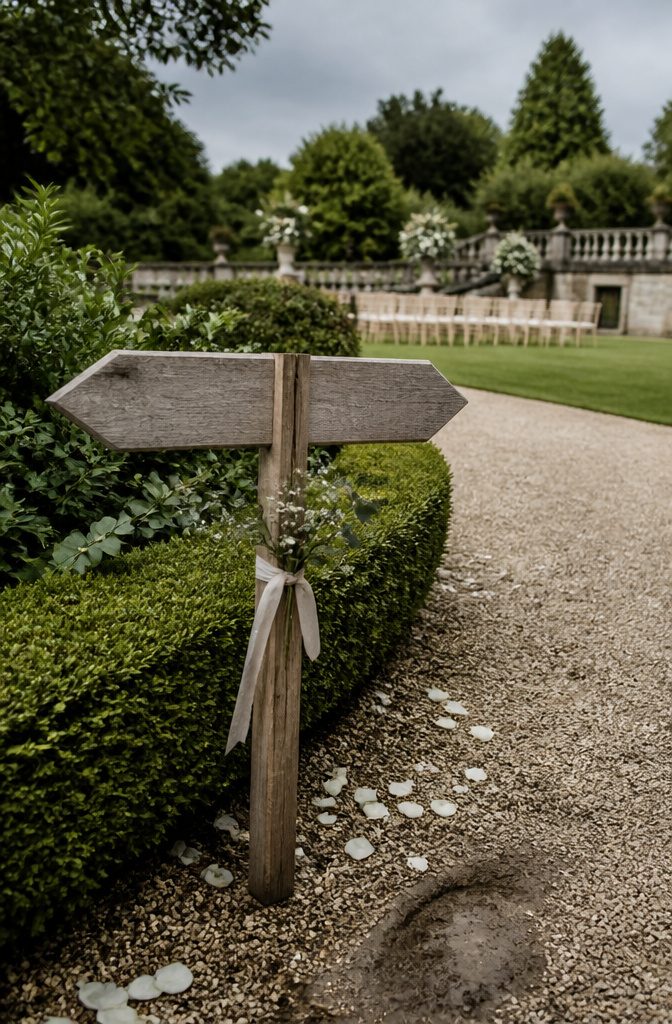
Directional Signs
Directional signage guides guests to parking, the ceremony, the reception, restrooms, and anywhere else that might not be obvious at first glance.
Done well, these prevent guests from clustering at the entrance looking confused or wandering into coat closets when they need the bathroom.
How much you need depends entirely on your venue. A small wedding in a single compact space probably needs nothing, because everything is findable without help.
A multi-room venue or a property with outdoor-to-indoor transitions calls for signs at each decision point, especially as guests move from ceremony to cocktails to reception.
If your wedding venue is in a remote location, placing directional signs along the route (with permission granted, of course) indicating clearly and securely which way your wedding guests/shuttles should turn is always helpful.
Most people add directions to their wedding website, but nobody pulls that up while driving. Physical signs along the route keep guests from calling your coordinator ten minutes before the ceremony starts.
For outdoor venues, wooden arrow stakes work best.
Multi-room spaces do better with printed easel signs or wall-mounted arrows. If your venue already has permanent directional signage, you can dress it up with florals, balloons, or streamers that match your theme rather than starting from scratch.
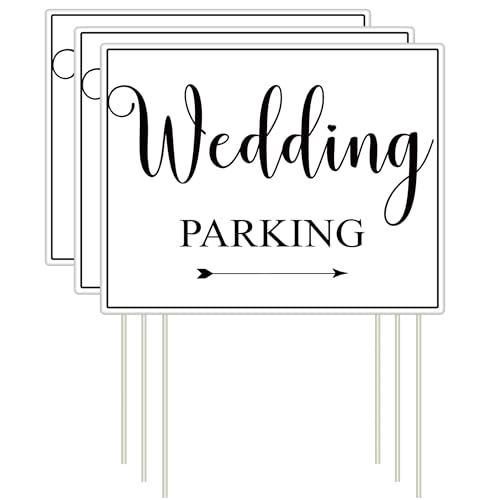
【Product Packaging】You will receive 3 pieces of wedding parking sign with 6 pieces of stakes,the signs measure about 14.37 x 11.22 inch/36.5 x 28.5 cm,the stakes measure about 13.78 inch/35 cm.The sign is clear enough to guide guests from different directions to the parking area during the wedding.

Elegant Wedding Decor: Guide your guests effortlessly with our Wedding Direction Arrow Signs. Crafted with charming aesthetics, these signs add a touch of elegance to your wedding ceremony and reception.

2-in-1 Value Pack for Full Wedding Guidance – Get 7 double-sided signs in one set: 3 square "This Way" signs for directing guests to ceremony, cocktail hour, or photo zones, plus 4 arrow-shaped parking signs for parkinglots, valet areas, or shuttle stops—eliminating the need to buy separate sign kits.
6. Food, Menu, or Dessert Signs
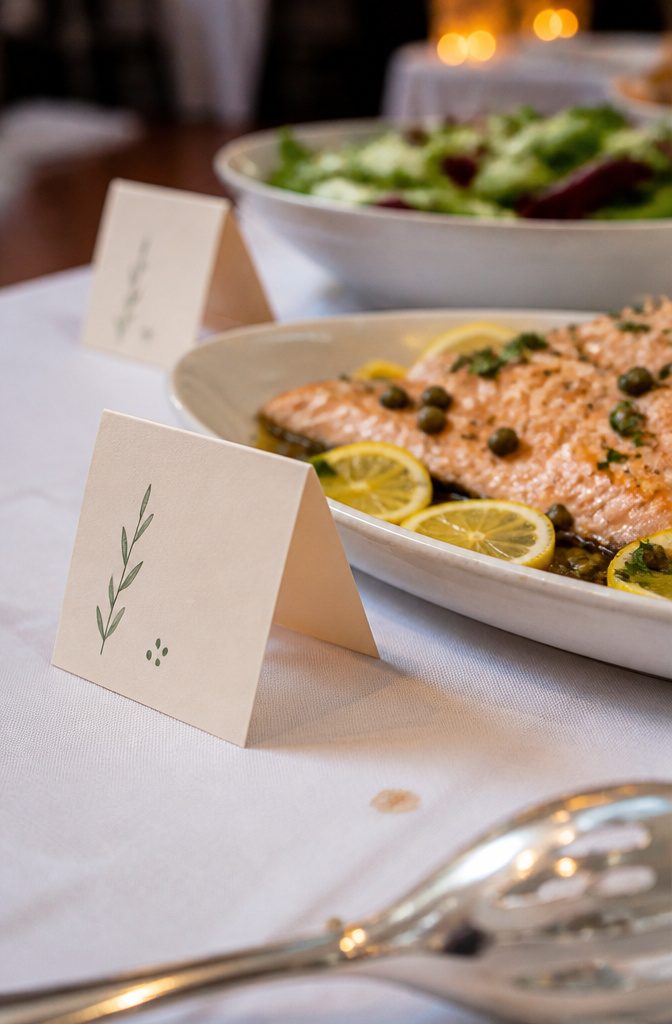
Food signs label what sits on each plate or platter.
At a buffet or dessert table, small tent cards or framed prints identify dishes and flag allergens so guests with dairy restrictions or peanut allergies know what to skip before they serve themselves.
The usual size is 5″ × 7″, small enough to tuck beside a serving dish without taking over the table.
Bar signs do the same work for drinks. A menu listing signature cocktails by name and ingredient keeps guests from asking the bartender what is available, which cuts down wait times when the line builds.
An 8″ × 10″ to 11″ × 14″ board works for a bar setup; the tent cards work better for individual cocktail stations.
I like food signage that shows the main components rather than just the dish name. A guest scanning a buffet line moves faster when the card reads "roasted salmon, lemon butter, capers" instead of "entrée option two."
The same goes for drinks: a signature margarita benefits from "tequila, lime, jalapeño, salt rim" so someone who does not drink tequila knows to reach for the other glass.
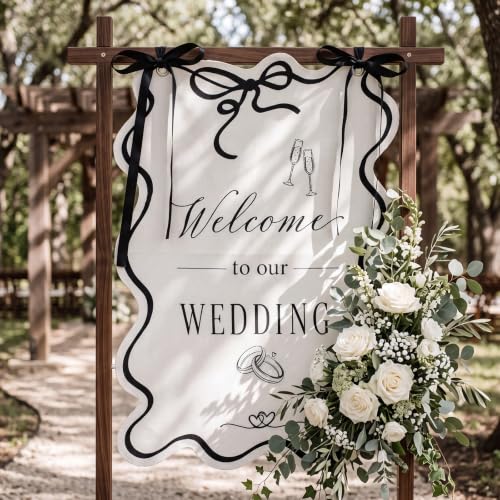
Package Include: the welcome to our wedding sign package contains a canvas banner, a long satin ribbon, and two clips; This Welcome to Our Wedding welcome sign wedding set makes decorating straightforward, requiring no extra tools

Welcome your guests to your special day with this beautiful Wedding Welcome Sign! Made from high-quality material, this sign is durable and will withstand the test of time. This sign is the perfect size for displaying at the entrance to your wedding ceremony or reception. This wedding sign is easy to clean and maintain, so you can use it again and again for other events or special occasions. Make your wedding day even more special! Order yours today and welcome your guests in style!

【Unique Design】Featuring a built-in elastic cord and foldable lightweight structure, this display easel can be set up or folded down within seconds. Great for weddings, events, trade shows, retail displays, and other occasions that require quick installation
7. Guestbook, Sign-In, or Activity Instruction Sign
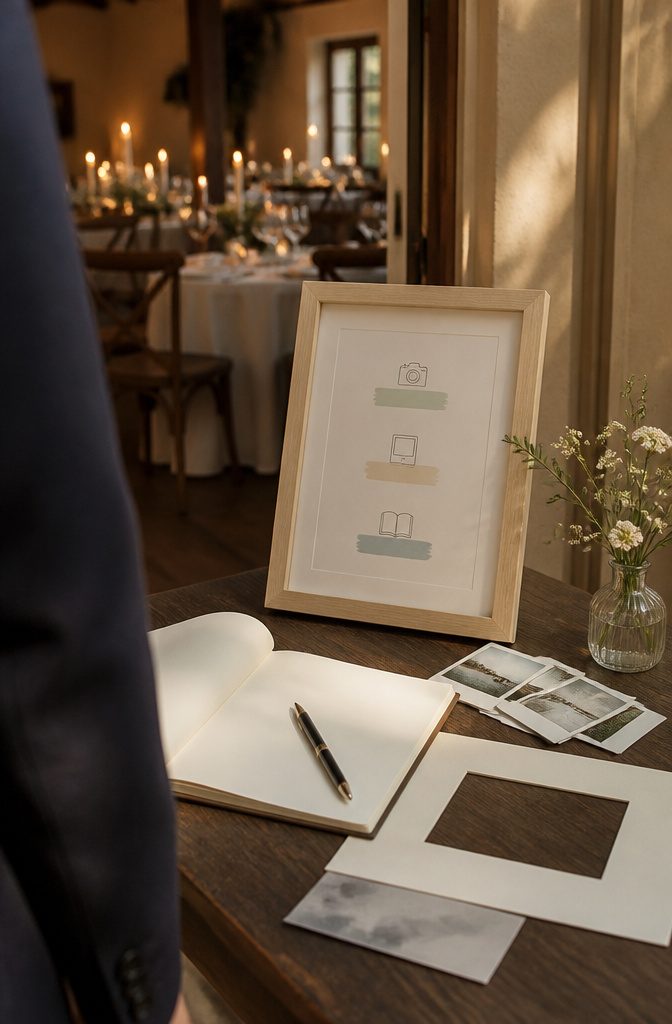
A guestbook sign tells guests where to leave their names and what format you’re using, which matters most when you’ve moved past the traditional bound book.
If you’re asking people to sign a photo mat, write in a custom journal with prompts, or add a Polaroid to a scrapbook, a sign at the table explains what you want them to do.
Without it, guests default to skimming past or waiting until later, which often turns into never.
The wording can stay simple.
"Sign our guest book" works if the format is obvious. If it’s not, get specific: "Leave us a love note, we can’t wait to read them" or "Sign the mat around our photo."
One couple on Reddit built prompts into their guestbook asking guests to draw their future or name a song that reminds them of the couple. The execution depends on your crowd.
Theatre-kid guests might fill every page; others will sign their name and move on. You know which group shows up to your wedding.
Position the sign near the entry table or bar, where guests naturally pass through before dinner. After cocktail hour ends and seating starts, the line disappears.

KIT CONTENTS: Kit includes 1 clear acrylic seating chart board 15 gold sealant stickers and 15 seating chart sheets - no need to buy them separately. Unlike standard kits that need to be printed out yourself, our ready-to-use templates with botanical embellishments ensure that your wedding seating chart board display can be set up right away.

KIT CONTENTS: Kit includes 1 clear acrylic seating chart board 15 gold sealant stickers and 15 seating chart sheets - no need to buy them separately. Unlike standard kits that need to be printed out yourself, our ready-to-use templates with botanical embellishments ensure that your wedding seating chart board display can be set up right away.

PERFECT WEDDING DECOR: A charming 'Our Favorite People' sign designed to welcome guests at your wedding reception.
8. Reserved Seating Signs
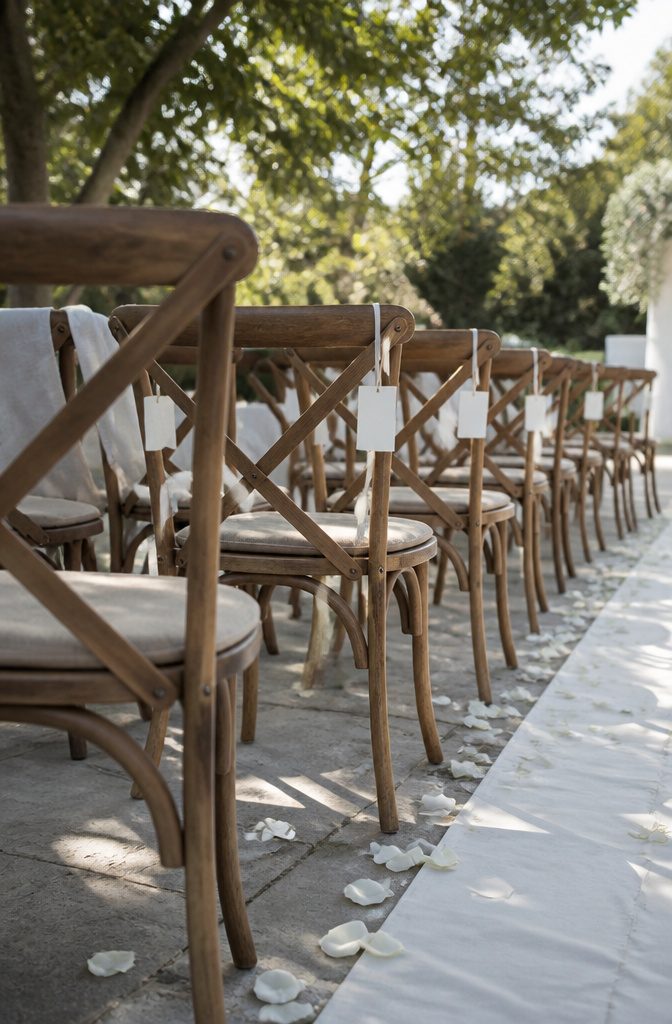
Reserved seating signs mark out the front rows for parents, grandparents and whoever else you want close when you say your vows.
You can hang a general "Reserved" placard on the row, or go further and label each seat with a name or title so there is no guessing.
The named version stops any awkward shuffling, especially if you have a complicated family setup or guests who do not know the pecking order.
I would use named signs if the ceremony is large or if several people share the same role—stepparents, multiple grandparents, close friends who all deserve front-row treatment.
A single "Reserved" sign works fine for smaller weddings where everyone knows their place. Either way, your inner circle gets the view they came for, and you get to look out at the people who matter most.

Set Include: you will receive 11 natural pine table numbers, 1-10 and head table, a complete set for reception seating, cake table, guest book table, and event centerpieces, giving the whole table layout a clear rustic order


GREAT DECORATIVE LIGHTS: These LED batteries operated string Lights are perfect for any decorative project. Slim wire hosts 50 tiny LED chips that intensely bright. With steady 360 degree viewing angle they illuminate in every direction
9. Cards and Gifts Sign
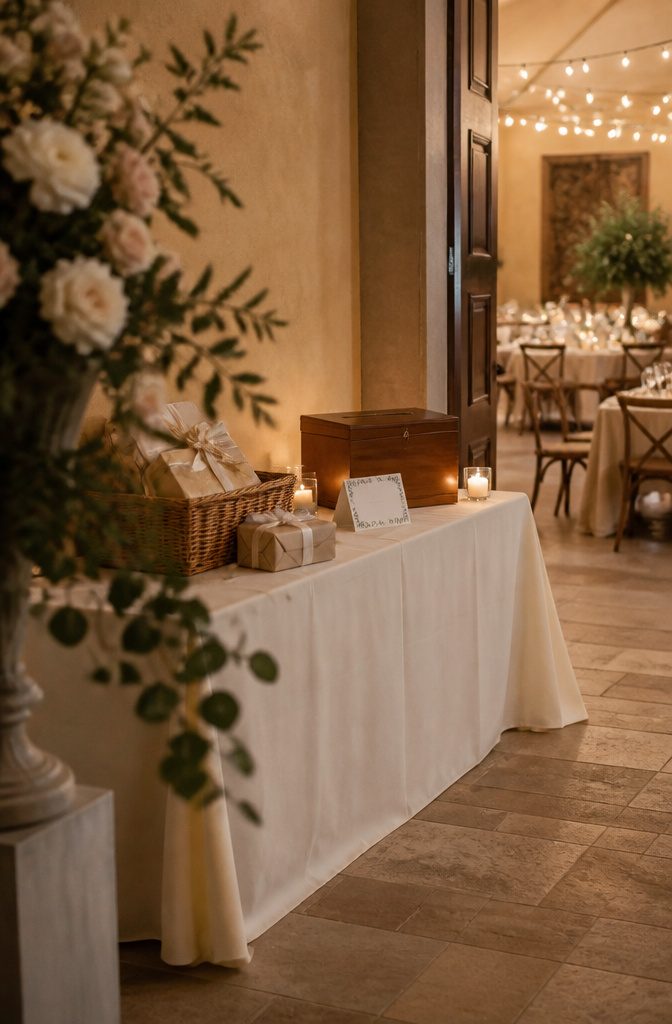
A cards and gifts sign tells guests where to put envelopes and boxed presents so nothing goes missing during the reception. Set it on or near the gift table, usually 5″×7″ as a table tent.
The wording matters more than you would think: "Cards and gifts, thank you so much" reads warmer than a bare "Cards & Gifts," and "Your presence is our greatest gift" softens what might otherwise feel like pointing at a stack of loot.
I lean toward the warmer versions because guests already know they brought something, and a little grace makes the logistics feel less transactional.
Pair the sign with a decorative box or a wishing well if that fits your style, and guests will know exactly where to drop things without flagging down a bridesmaid.

Celebrate Love: Add meaningful elegance to your special day with our 1 Corinthians 13 aisle signs, showcasing verses that beautifully capture the essence of love and commitment

Elegant Wedding Decoration: This 73 x 30 inch wedding hanging banner creates a beautiful focal point for wedding ceremonies, receptions, bridal showers, engagement parties, anniversary celebrations, and photo booth backdrops. The clean white fabric and black lettering fit rustic, modern, garden, boho, farmhouse, and outdoor wedding themes.

Package Contents:This package comes with a set of 12 refined hanging markers meant to mark reserved seats on tables and chairs, bundled with matched long tying ribbons and pre-punched hanging holes. Measuring 2.4 by 5.5 inches apiece, these tags work beautifully to adorn wedding aisle chairs, church pews and designated guest tables.
10. Unplugged Ceremony Sign
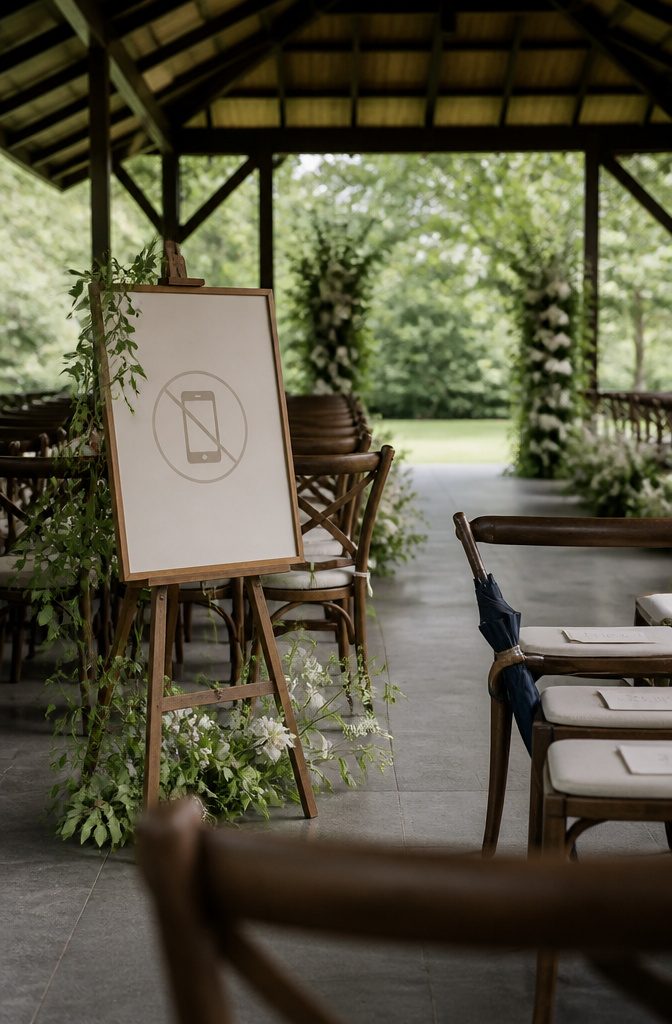
An unplugged ceremony sign asks guests to put away phones and cameras during the ceremony so your photographer has clear sightlines and guests stay fully present.
This is one of the most requested signs in recent years, and I see why: it solves two problems at once.
Position it at the ceremony entrance or at the end of the aisle so everyone sees it before sitting down. Common wording: "Please be fully present.
Our photographer will share beautiful photos with you shortly. Phones away, thank you."
The sign is a genuine kindness to both your photography team and your guests. No one wants their ceremony photos cluttered with a dozen screens held overhead, and guests who aren’t watching through a viewfinder actually remember the moment.

Complete 8-Piece Directional Sign Set: This set includes 8 double-sided signs—2 square signs and 6 arrow-shaped signs—clearly printed with helpful words like “Wedding” and “Parking” to ensure your guests can easily find the right direction. Perfect for outdoor venues, receptions, ceremony sites, and event entrances.

Wedding Decorations for Ceremony: This set includes 1 parking sign and 2 wedding signs, perfect for weddings, parties, and other celebrations. They help guests easily find their way to the correct areas
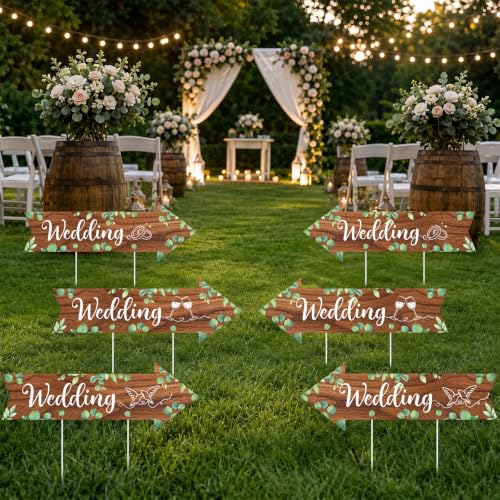
Sufficient Quantity to Use: you will receive 3 styles of double sided printing wedding signs for ceremony and reception, 2 of each, 6 in total, with 12 pieces of stakes, which will allow you to guide your guests in different directions to the designated location during the wedding ceremony
11. Photo Booth Sign
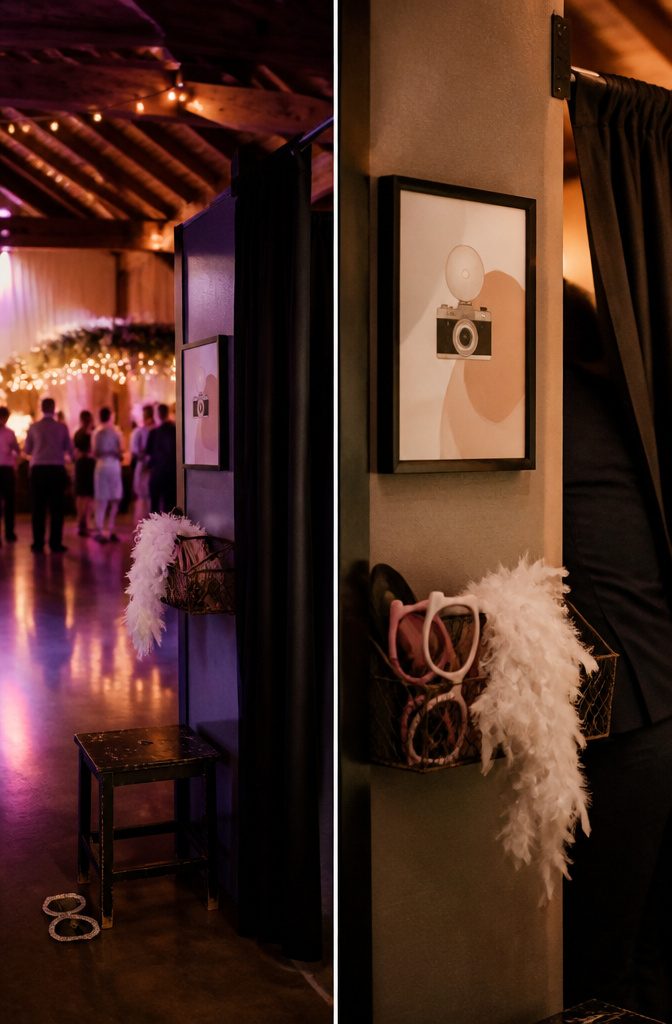
A photo booth sign brings guests to the booth, and the best ones do more than point.
Position it at eye level near the booth entrance so it shows up in the wide-angle shots guests take, and use the space to share your wedding hashtag or a QR code linking to a digital album where everyone’s photos land.
The typical size runs 8″ × 10″ to 12″ × 16″, large enough to read from a few feet away but not so big it crowds the booth setup.
I like signs that set the tone with a line like "Strike a pose!" or "Tag us: #YourHashtag" rather than just labeling the booth, because they give shy guests permission to have fun with it.
If you’re renting a booth that comes with props, the sign can note that too, though most guests figure out the wig bin on their own.
12. Hashtag Sign
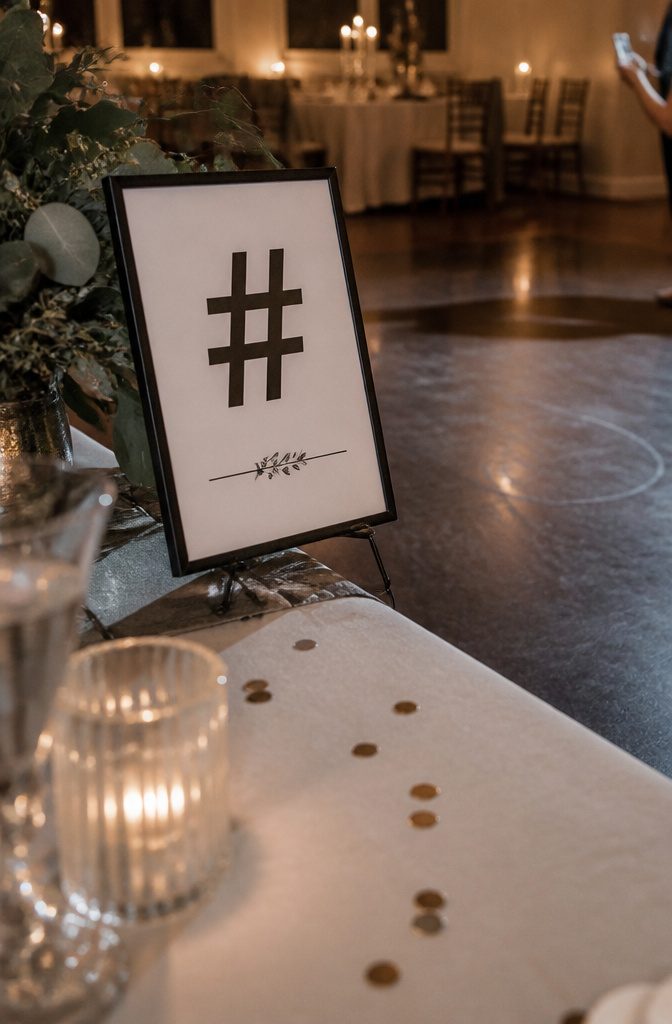
A hashtag sign goes near the photo booth or dance floor and does one job: gets guests tagging their photos so you can find everything they post after the night ends.
The sign shows your hashtag large—#SmithJonesForever or whatever you picked—with a short nudge like "Share your photos with" above it.
The design choice that matters is contrast. Reception rooms go dim, and a hashtag sign in low-contrast script disappears exactly when guests pull out their phones.
High-contrast typography—dark letters on a light ground or the reverse—reads across the room and shows up in the wide shots people take near the booth.
Some couples fold the hashtag into the photo booth sign itself rather than giving it a separate frame.
That works if the booth sign has room and the hashtag does not change based on where guests are standing, but a dedicated sign near the dance floor catches the people who skip the booth and still post from their tables.
13. Order-of-Service or Schedule Sign
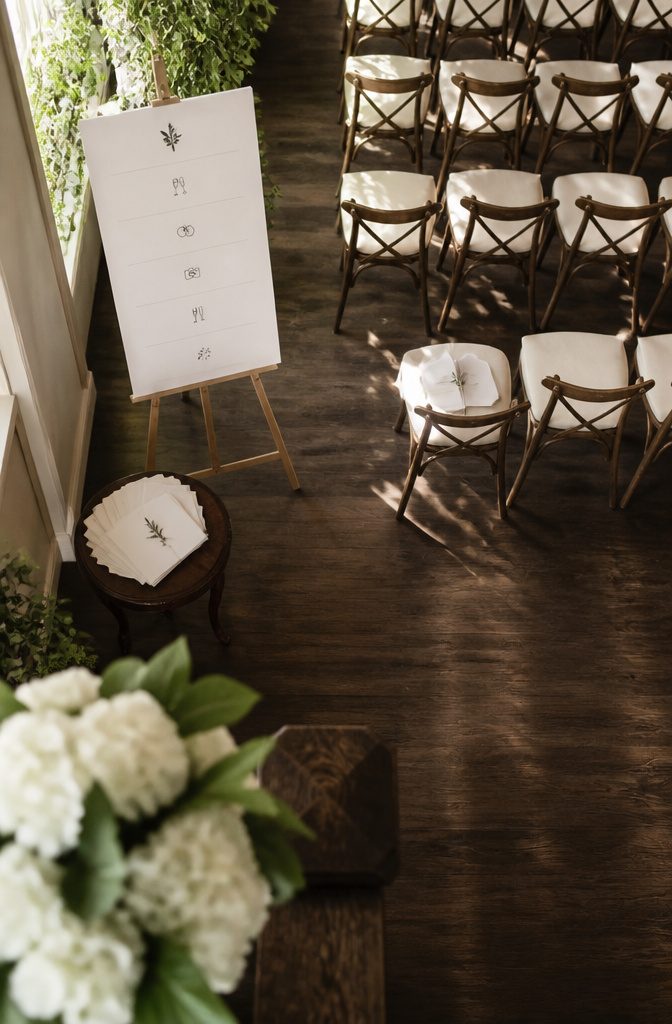
An order-of-service sign shows guests what will happen during the ceremony without printing a program for every seat. Post it near the aisle entrance or at the ceremony space entrance where people can read it as they arrive.
The sign lists the processional order, readings, officiant name, and any participation cues—when to stand, when to sit, whether there’s a responsive prayer or ritual guests should join.
This matters most for ceremonies over twenty minutes or when you’re including religious rituals guests may not know.
A Catholic mass has different cues than a civil ceremony, and a Jewish wedding has moments guests unfamiliar with the tradition won’t anticipate.
The sign gives context without handing out fifty printed programs that cost money and mostly get left on chairs.
For multi-day or multi-location weddings, the same format works as a weekend schedule sign: ceremony Friday evening, welcome brunch Saturday morning, reception Saturday night. Guests check it once and know where to be.
14. Memorial Sign
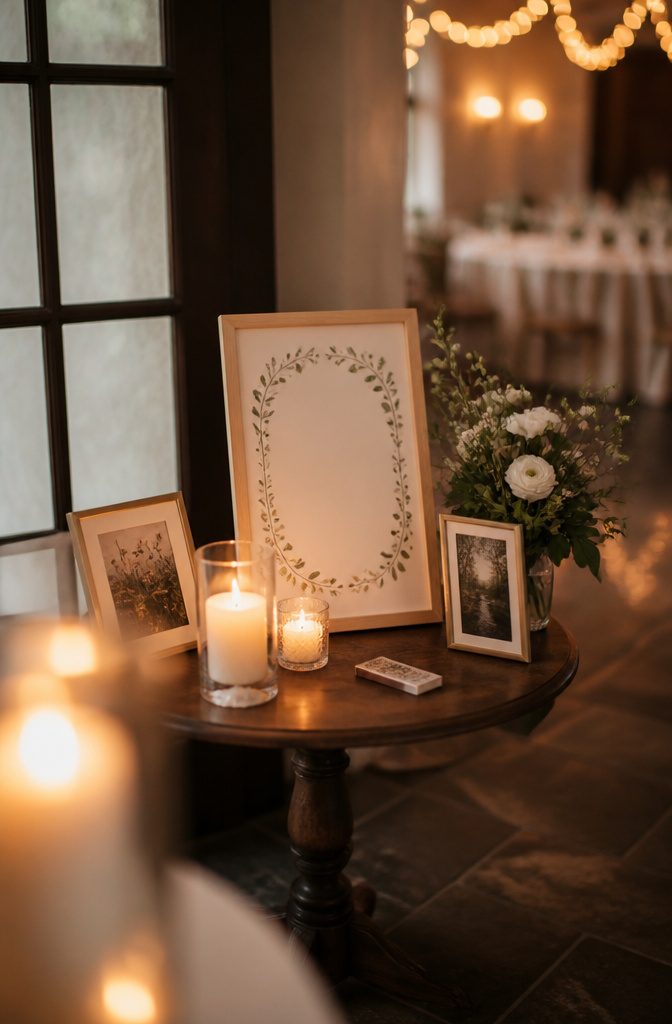
A memorial sign gives guests a quiet way to acknowledge the people you wish could have been there.
It usually sits near the entrance or on a table of its own, often with framed photos, candles, or a small arrangement of flowers.
The wording can be as simple as "In Loving Memory" with the names beneath it, or a line or two about carrying their presence with you.
I have seen couples use a favorite quote, a few words about the person, or just the names and years.
The sign itself does not need to be large. Something around 8×10 or 11×14 works, and you can print it on card stock at home or order it through the same place handling your other signage so the look stays consistent.
15. Neon or Backdrop Sign
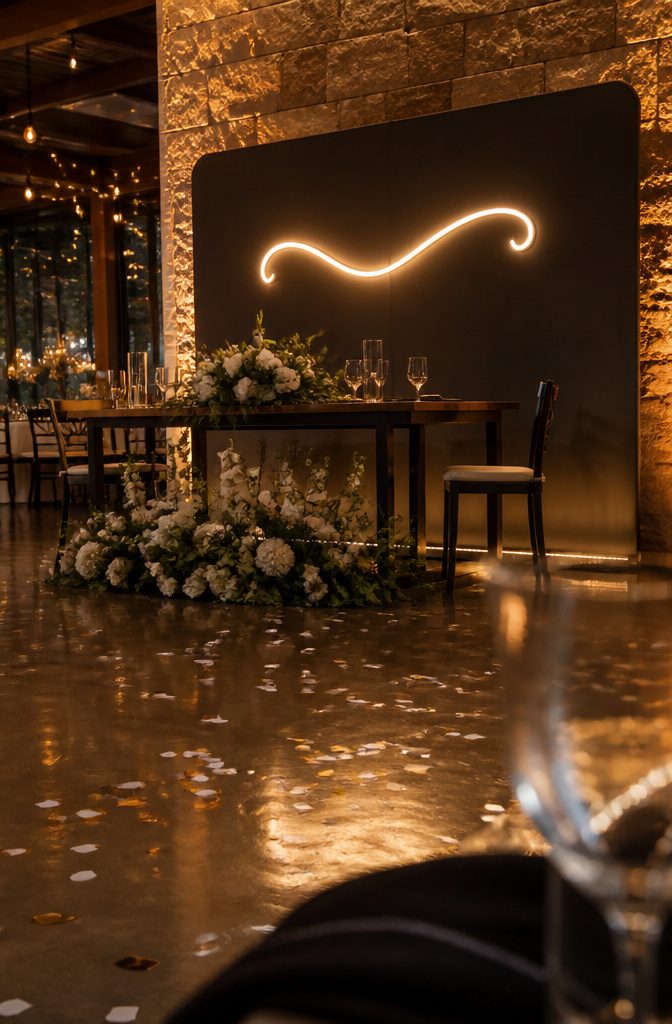
A neon or backdrop sign gives you a personalized display that photographs well and anchors a corner of the reception.
Most couples position one behind the sweetheart table or near the dance floor, where guests gather naturally and the sign becomes part of every candid shot taken in that zone.
The signs sold today are LED neon flex, not glass tube neon—a silicone-coated LED strip that mimics the glow at a fraction of the cost and ships without the fragility.
For weddings, LED neon is the correct choice. One detail that matters on camera: warm white color temperature reads more romantic in photos than cool white, which skews clinical under evening lighting.
The most-pinned phrases run to short declarations—"And so the adventure begins," "Better together," "Mr. & Mrs. [Last Name]"—or minimalist markers like "Est.
[Year]" and the couple’s initials with an ampersand. A sign saying "Let’s dance" positioned at the edge of the floor does double duty as décor and as a visual cue that pulls people toward the music.
16. Love-Story Sign
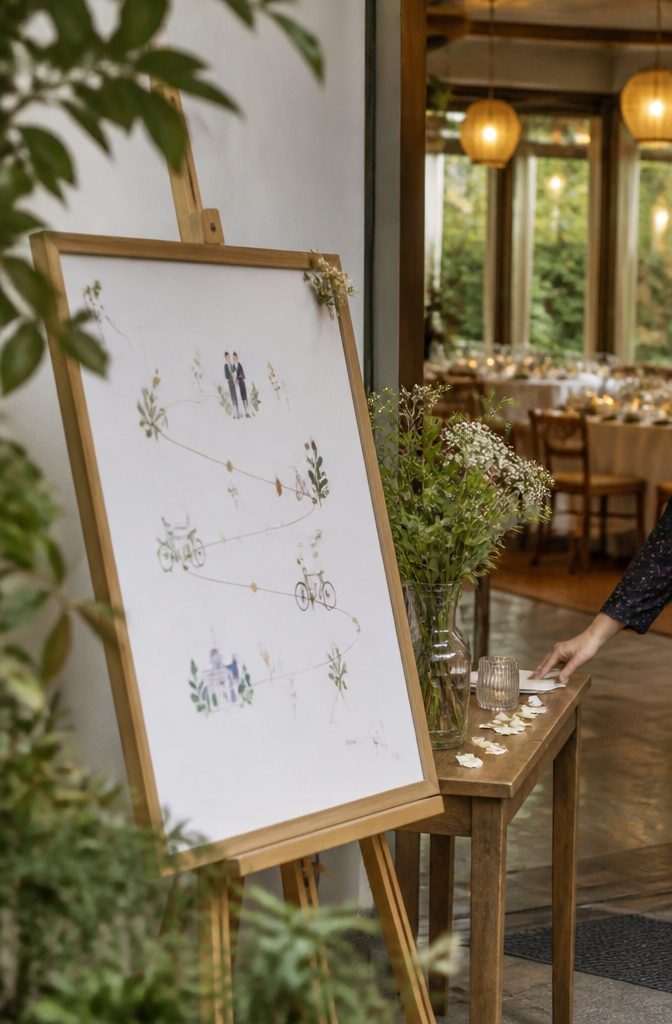
A love story sign shares the highlights of your relationship so guests who don’t know you well can follow along when the speeches start or the vows are exchanged.
Think of it as a way to let plus-ones and distant relatives in on the inside jokes before they happen, or to give them the backstory behind the moment you two met so they’re not the only ones missing the reference.
I consider this one a must for larger weddings.
When you’ve invited a hundred people, a good chunk of them haven’t heard the story firsthand, and a quick timeline or a few key moments on a sign near the entrance brings everyone up to speed without you having to retell it table by table.
It also makes a room feel warmer. Guests arrive knowing something personal, and that shifts the whole tone before the ceremony even starts.
How Many Signs to Plan For
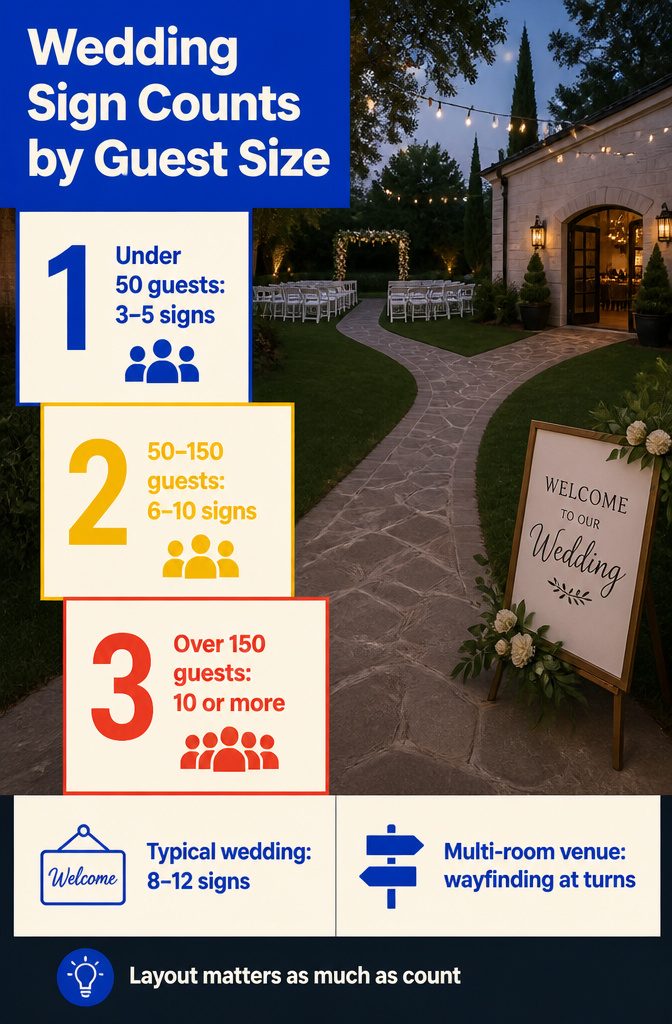
The right number depends mostly on guest count and venue layout. Most couples land at 8–12 signs total: 3–4 for the ceremony, 4–6 for the reception, and 1–2 informational signs that cover parking, timelines, or wayfinding.
For small weddings under 50 guests, 3–5 signs usually cover it.
A welcome sign, a seating chart if you’re assigning seats, table numbers, and maybe a bar menu. Venues with open sightlines need fewer signs because guests can see where things are.
Mid-size weddings with 50–150 guests run 6–10 signs. Add a hashtag sign, guest book instruction, and food station labels if you’re doing a buffet.
Large weddings over 150 guests often need 10 or more, especially if the venue has multiple rooms or separate ceremony and reception spaces. Directional signs at each decision point keep stragglers from wandering.
The layout matters as much as the count. Multi-room venues, outdoor-to-indoor transitions, or ceremonies held apart from the reception benefit from wayfinding signs even at smaller guest counts.
If guests have to navigate between two buildings or across a property, a sign at each turn prevents confusion. Skip signs that restate the obvious or duplicate what your wedding website already covers.
Matching Signs to Your Venue and Guest Experience
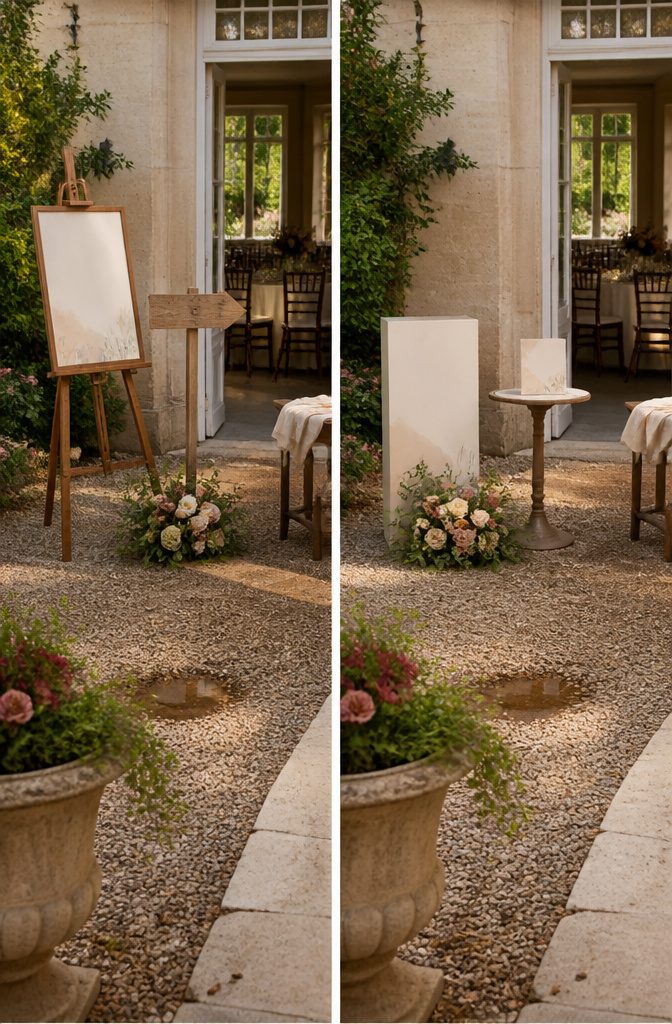
The number of signs you need depends on how easily guests can move through your venue without asking staff for directions.
A small house venue with thirty guests and a clear line from ceremony to cocktails to dinner needs five signs at most: a welcome, a seating chart, table numbers, a bar menu, and a spot for cards.
A multi-building property with separate ceremony and reception spaces needs directional signs at every decision point, even if the guest count is small.
Layout matters more than headcount when you are trying to keep guests from wandering into coat closets while looking for restrooms.
Guest count still shapes the baseline. Under fifty guests, plan for three to five signs.
Between fifty and a hundred fifty, six to ten. Past a hundred fifty or at any venue where guests cross property lines or navigate multiple rooms, budget for ten to fifteen.
Remote venues benefit from directional signs placed along the route to the property itself, with permission from whoever owns the land. Most weddings that feel well-signed land between four and twelve signs total, not counting individual table numbers.
Materials and Display Options
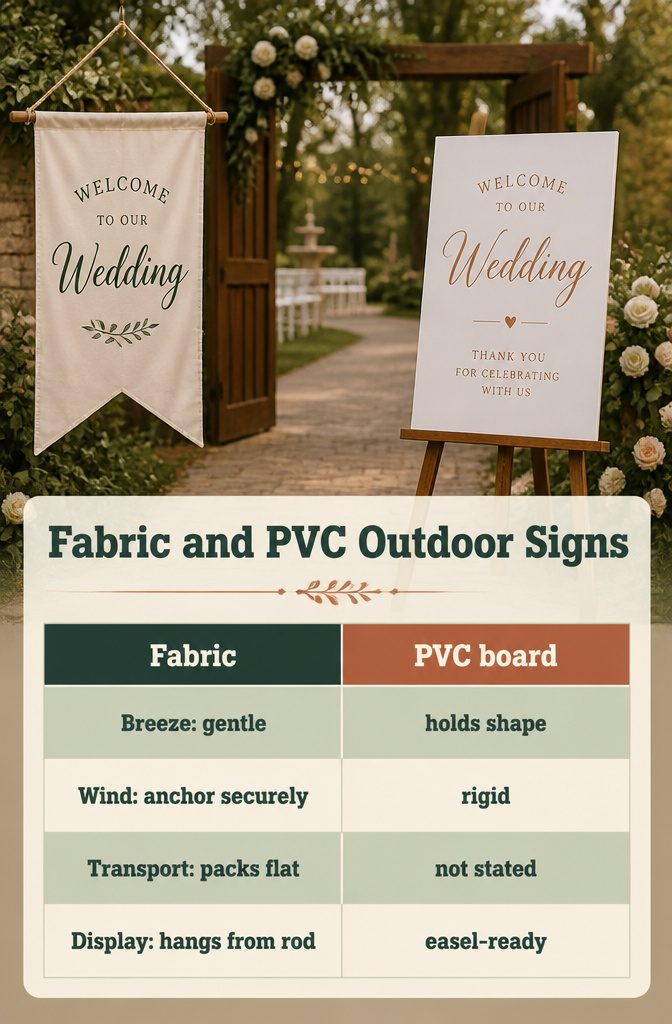
Fabric and PVC board are the two base materials that hold up outdoors. Fabric signs handle a gentle breeze but need secure anchoring if wind picks up; they hang from a dowel or rod and pack flat for transport.
PVC board is rigid enough to sit on an easel without curling and lasts through weather, which is why it shows up at ceremony entrances and cocktail hour more often than fabric does.
Wood works for barn weddings and rustic venues where a permanently engraved welcome sign doubles as a keepsake afterward.
Acrylic wins at modern and luxury venues: clear acrylic with vinyl lettering lets the background show through, so one sign adapts to a floral wall or draped fabric without looking out of place.
Gold mirror acrylic with calligraphy vinyl is the look most tied to upscale 2026 aesthetics. Chalkboard fits bohemian and garden settings, especially when hand-lettered or printed to look that way.
Foam board is the lowest-cost option but reads well only up close, so mount it in a frame if guests will pass it at any distance.
Vinyl foil lettering comes in gold, silver, and rose gold and pairs cleanly with flat foil accents on your printed stationery.
Frequently Asked Questions
What types of signs do you need for a wedding?
The two non-negotiable signs are a welcome sign at the entrance and a seating chart if you’re assigning tables. Beyond those, most weddings add table numbers, a bar menu, directional signs for multi-room venues, and an unplugged ceremony sign.
The rest—memorial signs, hashtag signs, food labels, guestbook instructions—depend on your venue layout and what you want guests to know without asking.
How many wedding signs should I have?
Most weddings land at 8 to 12 signs total. Weddings under 50 guests need 3 to 5 signs, 50 to 150 guests need 6 to 10, and over 150 guests or multi-room venues need 10 or more.
Layout matters as much as headcount: a sprawling property with separate ceremony and reception spaces needs directional signs at every turn, even for a small wedding.
What is the most important wedding sign to have?
The welcome sign is the single most important piece of signage you will use. It greets guests at the entrance, confirms they’re in the right place, and sets the visual tone for the day.
The seating chart comes in second if you’re assigning tables, because without it guests wander the room hunting for their names while the timeline slips.
What size should a wedding welcome sign be?
Most entrance welcome signs run 18 inches by 24 inches to 24 inches by 36 inches for a standard doorway.
A1 size (23 inches by 33 inches) up to A0 (33 inches by 47 inches) works for most venues, while smaller A2 (16 inches by 23 inches) fits intimate settings where the sign sits close to where guests arrive.
How far in advance should I order wedding signs?
Order custom signs at least 4 to 6 weeks before your wedding date to allow for production, shipping, and any revisions.
For laser-engraved wood or acrylic, 6 to 8 weeks is the safer window. Rush production is available at most custom sign shops for an additional fee.
Can I use the same font across all my wedding signs?
Yes, and you should. Repeating the same typeface or typeface pairing across your welcome sign, table numbers, bar sign, and menus creates a cohesive look that feels intentional rather than assembled from mismatched sources.
Most custom sign shops will match fonts across a full suite order.
Do I need a welcome sign at my wedding?
A welcome sign is the most universally useful piece of signage for any wedding.
It greets guests, confirms they’re at the right venue or room, and acts as a wayfinding marker for outdoor venues or venues hosting multiple events at once.
Venue staff and clear layout can sometimes make it unnecessary, but most couples find it solves more problems than it costs.