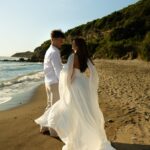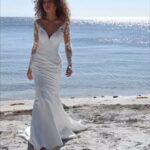

A first look lets you see each other before the ceremony and frees up cocktail hour because most couple and wedding party portraits are already done.
Bridal portraits and groom getting-ready shots document the full wedding look in natural light, while detail photos capture rings, invitations and heirloom pieces on a flat surface with a simple background.
A second photographer lets you capture both sides of the morning prep in real time, and handles the crowd coverage during cocktail hour while your main shooter takes you off for portraits.
1. Wedding Detail Photos
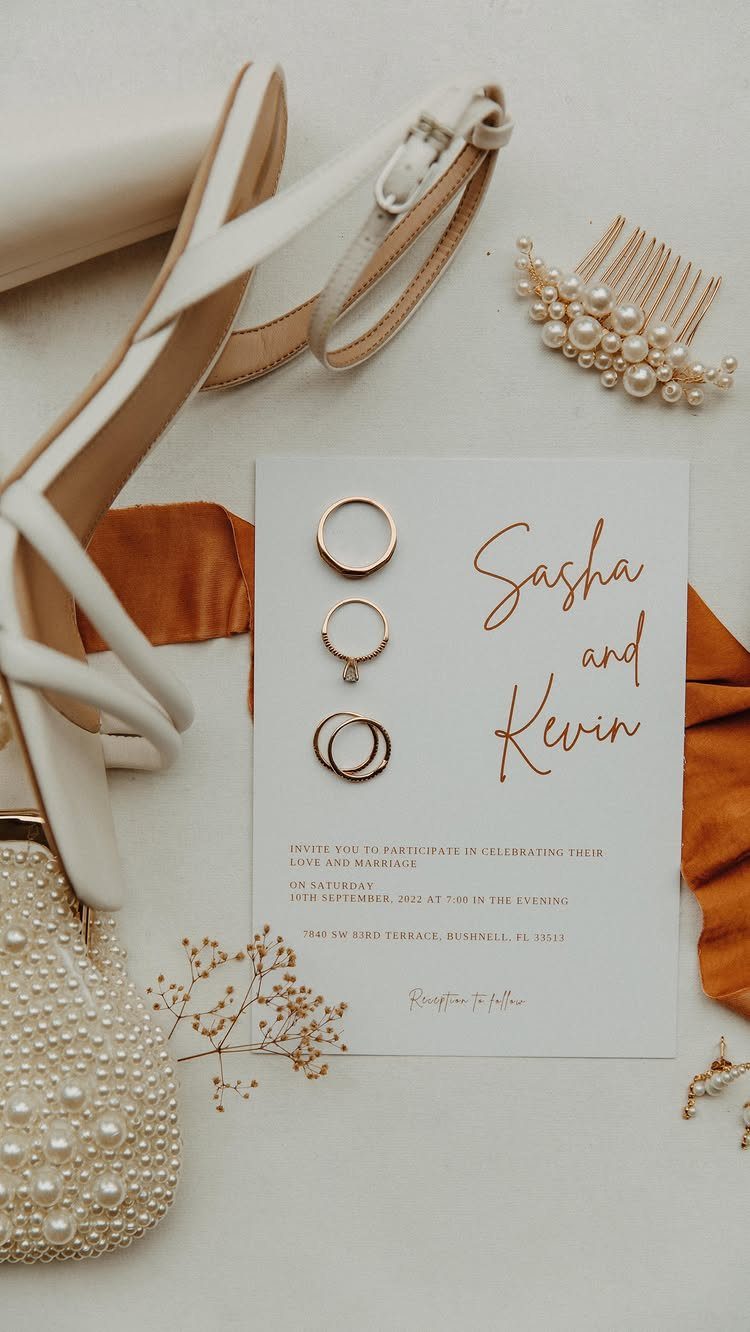
Detail photos capture the small, personal pieces that made your day yours: rings, invitations, shoes, jewelry, your bouquet.
A flat surface works best. Group pieces by color or material so they read as a set, and keep the background simple so the details stand out.
If you have heirloom jewelry, a handwritten note from your partner, or anything else that carries meaning, add it to the collection.
2. First Look
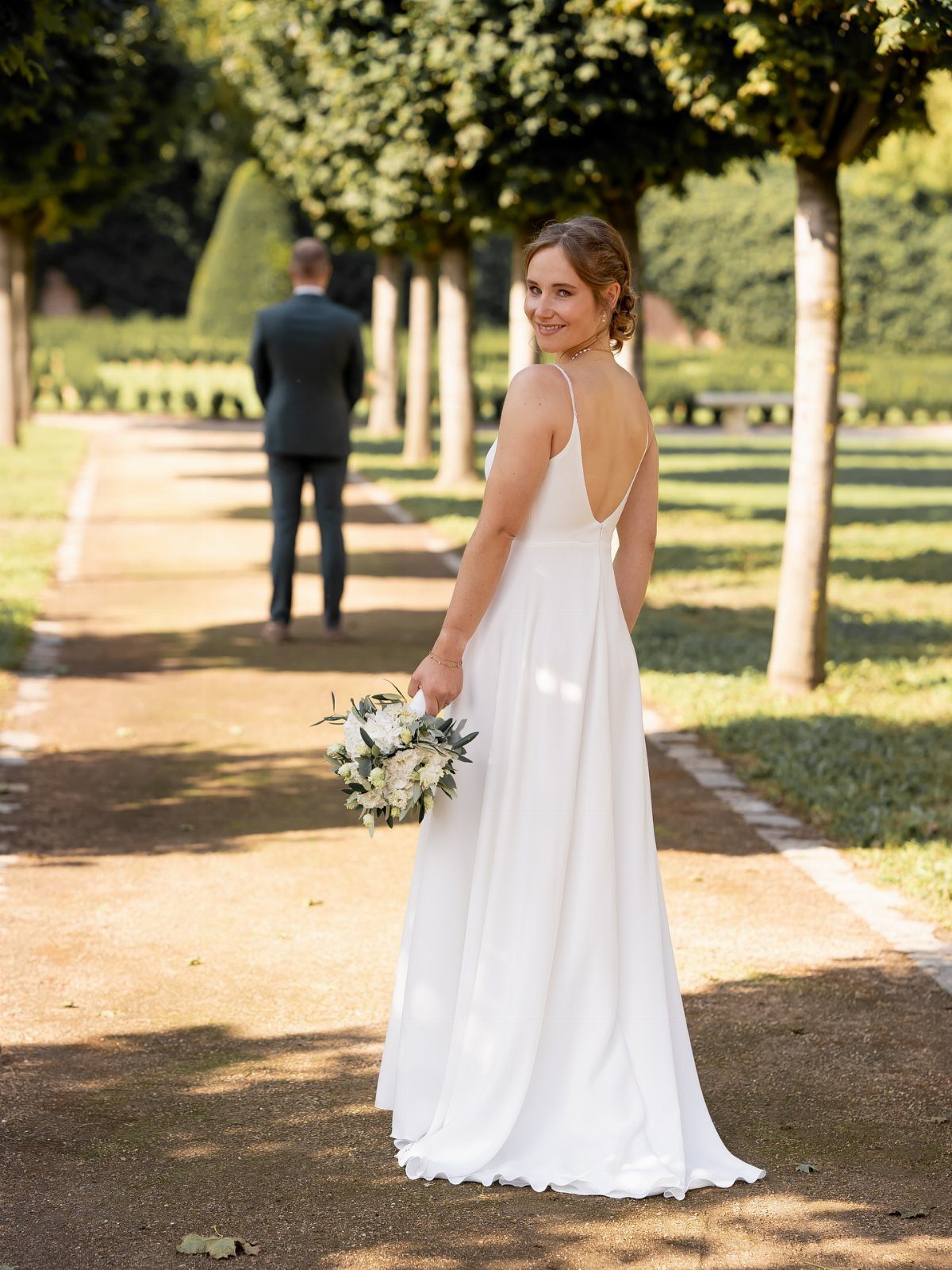
A first look gives you a private moment to see each other before the ceremony, away from the crowd.
It cuts down nerves and opens up the timeline. You can shoot most of your couple and wedding party portraits before guests arrive, which frees up cocktail hour to actually spend time with people.
Pick a quiet spot at your venue where your photographer can position you for good light and a clean background.
The most laid-back bride and groom, from a photographer’s perspective, should still start their wedding day with a list of "must get" shots.
— Glamour
3. Couple Portraits
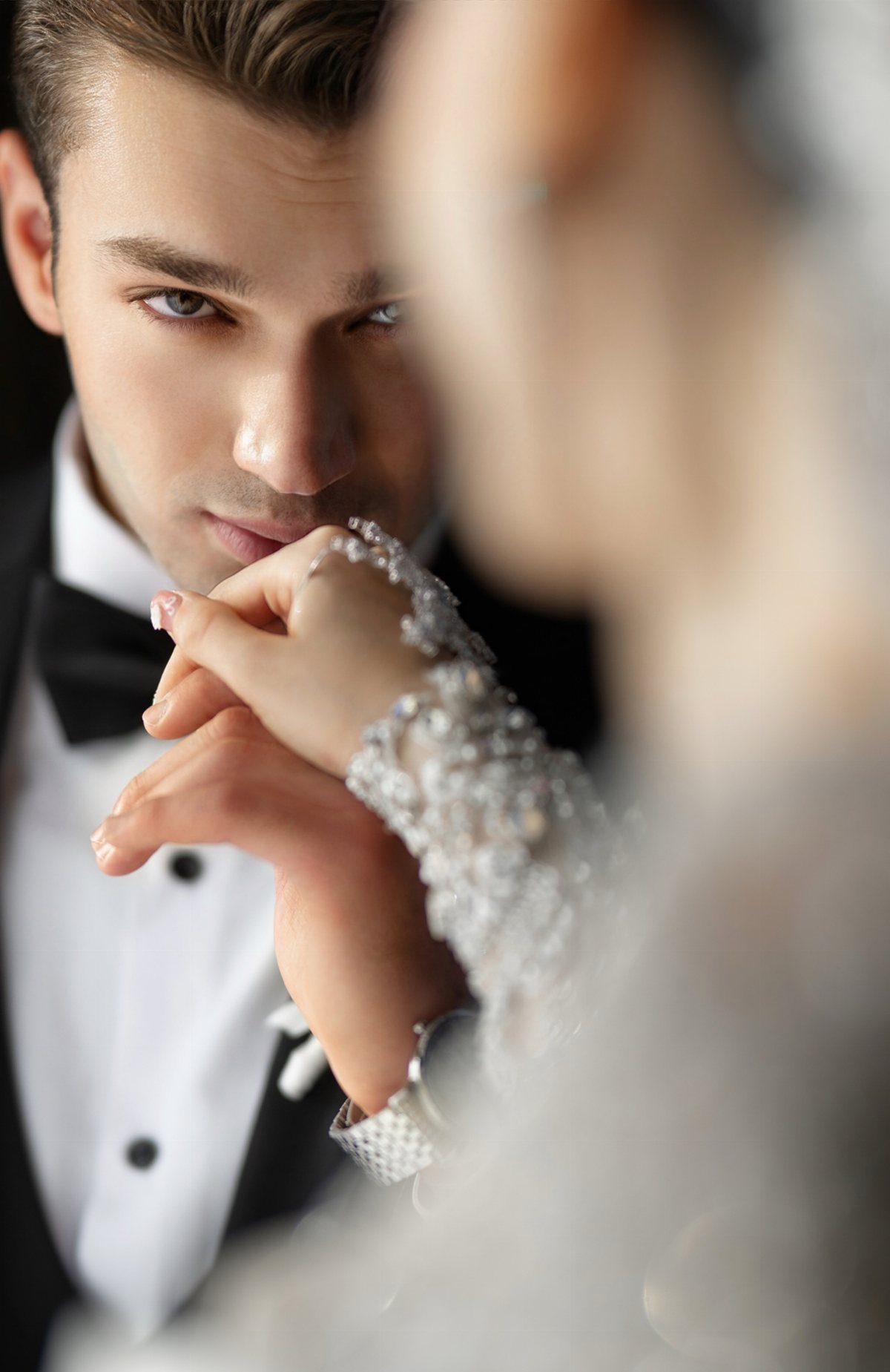
Couple portraits are the photos that go on your wall, the ones that show the two of you as newlyweds.
Soft, angled light makes everything look better, and you will have enough time to move between a few different spots at your venue without rushing.
Your photographer will direct most of the poses, but ask for a mix of formal and candid shots. The candid ones, where you are talking or laughing, usually end up being the favorites.
4. Wedding Party Photos
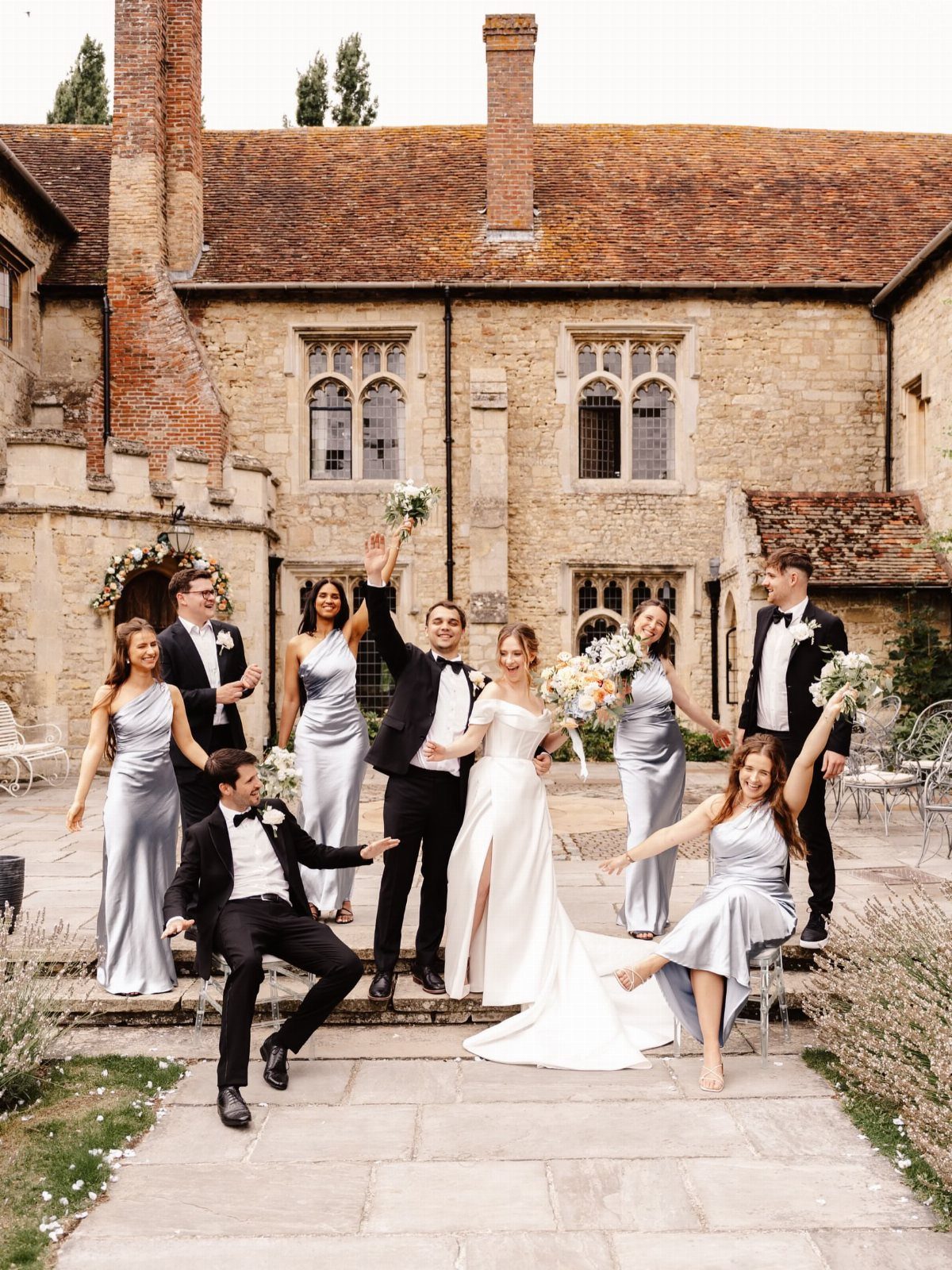
These are the group shots with your bridesmaids, groomsmen, or the whole wedding party lined up together.
Keep the group small if you want these to feel relaxed. Big groups take longer to wrangle, and you’ll feel the difference once you’re past a handful of people.
If you have a large wedding party, ask your photographer to shoot smaller groups first, then bring everyone together for one or two full shots at the end.
Candid moments between posed shots often turn out better than the posed ones. Let your photographer catch your group joking around or toasting you before the ceremony.
5. Wedding Exit
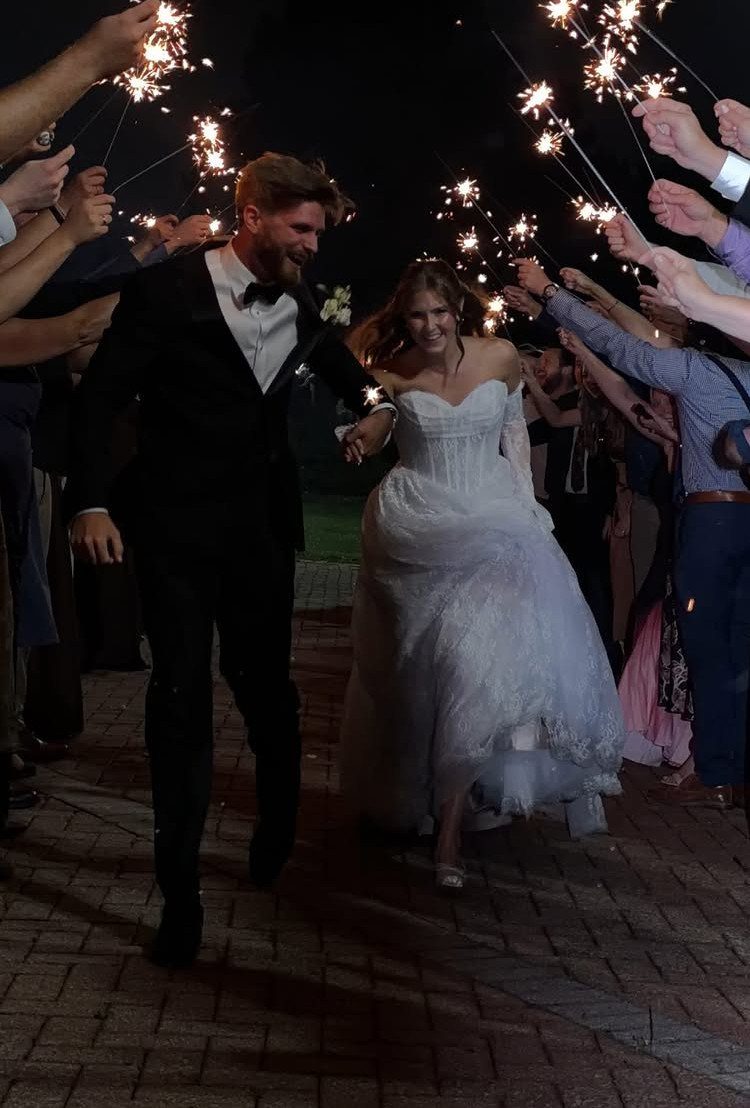
The exit is your last big moment with everyone still there, and it gives you one more frame worth keeping.
Sparklers, glow sticks, confetti, bubbles, or dried lavender all work. Sparklers need a clear outdoor path, a bucket of water or sand nearby, and someone handing them out with a lighter right before you walk through.
Sparklers don’t last long, so you need everyone lit and moving at the same time.
If your venue does not allow open flame, glow sticks or LED wands give you the same tunnel of light effect without the fire risk.
6. Reception Dancing
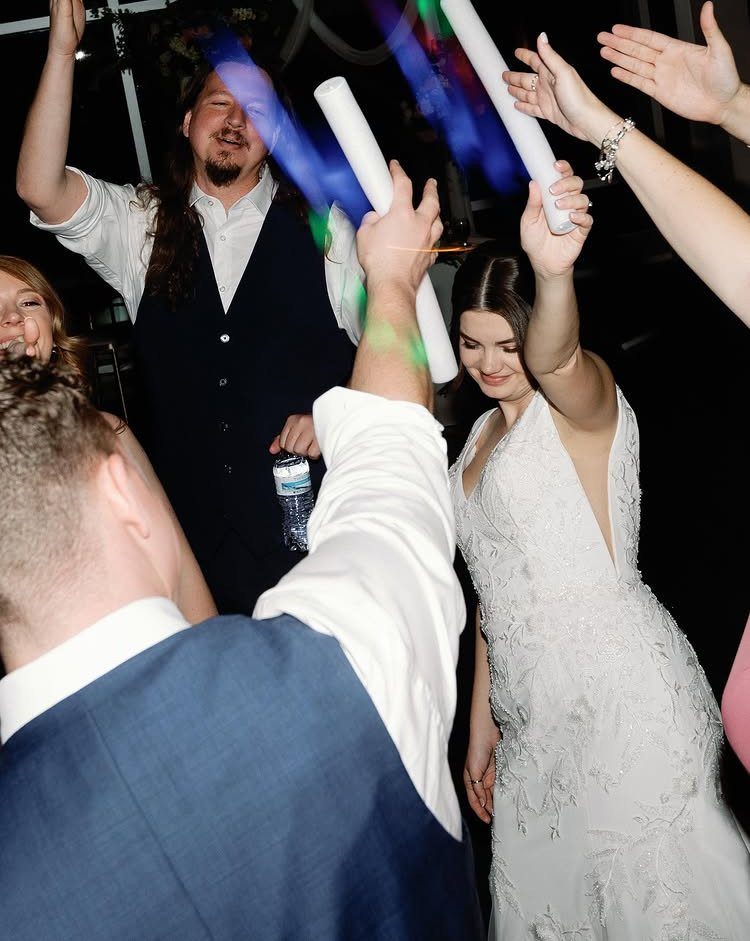
Reception dancing photos capture your guests having fun, and according to the DJ who chose these songs, they are proof that the right playlist pulls people onto the floor.
Tell your photographer which songs matter most to you so they know when to focus on the dance floor. The best shots happen during high-energy moments: group singalongs, a surprise dance circle, or your grandparents dancing together.
If you are using glow sticks, hand them out right before a song everyone knows. The movement and color show up well in low light, and guests will wave them around without prompting.
7. First Dance
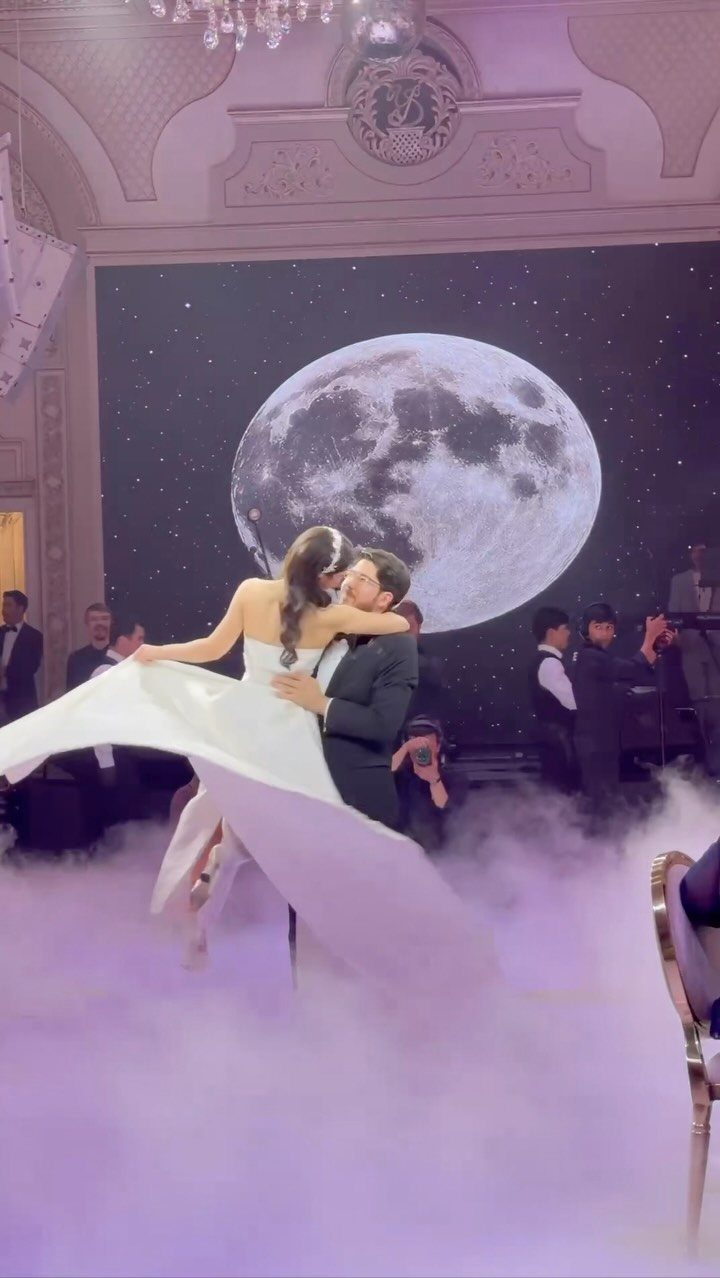
The first dance is you and your partner on the floor together, alone, before anyone else joins in.
Pick a song that feels like yours, not one that sounds like a wedding. Most songs run longer than you expect when everyone is watching.
Ask your DJ to fade out early if you want to keep it short, or invite your wedding party or parents onto the floor partway through so the attention spreads out.
Your photographer will circle you to get different angles. If you are comfortable with a dip or spin, save it for the second verse so they have time to position themselves.
8. Invitation Suite
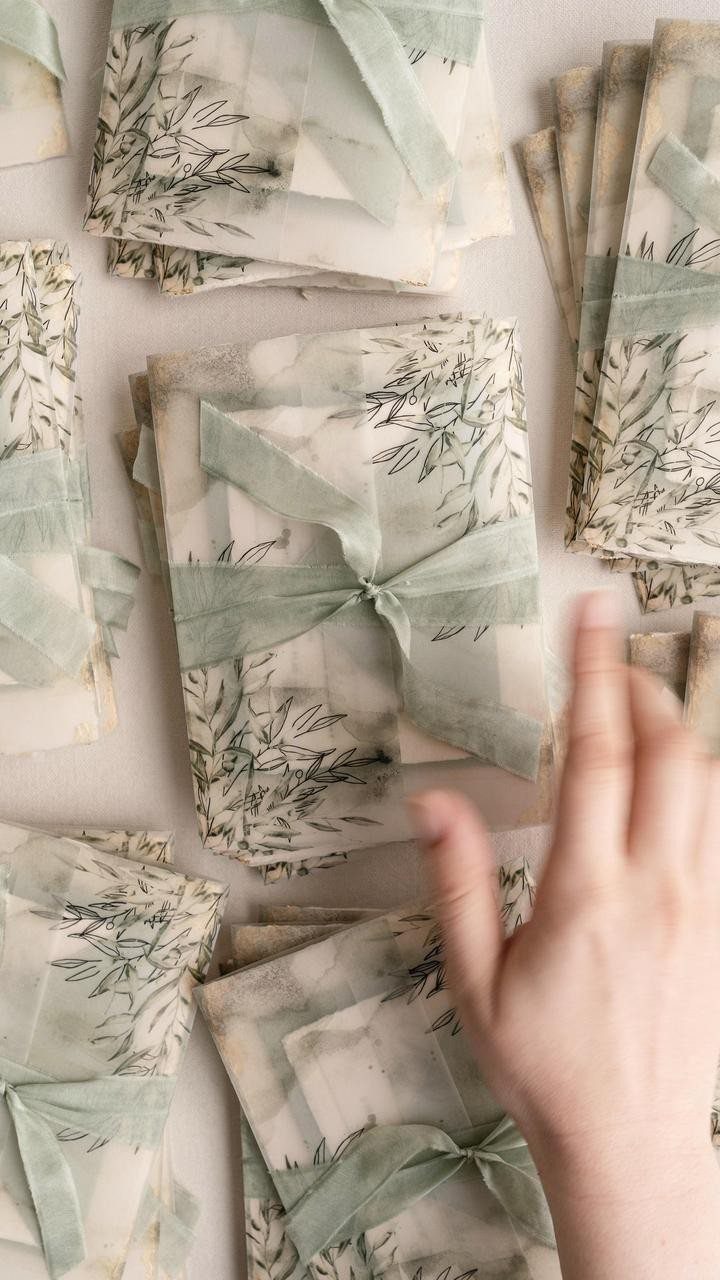
An invitation suite shot brings together your invitations, RSVP cards, envelopes, and any other printed pieces you sent.
Lay everything flat on a neutral surface, grouped in a way that shows how the set fits together. Natural light works best.
Some couples add their rings or a sprig of greenery to fill out the frame. Keep it minimal so the stationery stays the focus.
9. Wedding Rings
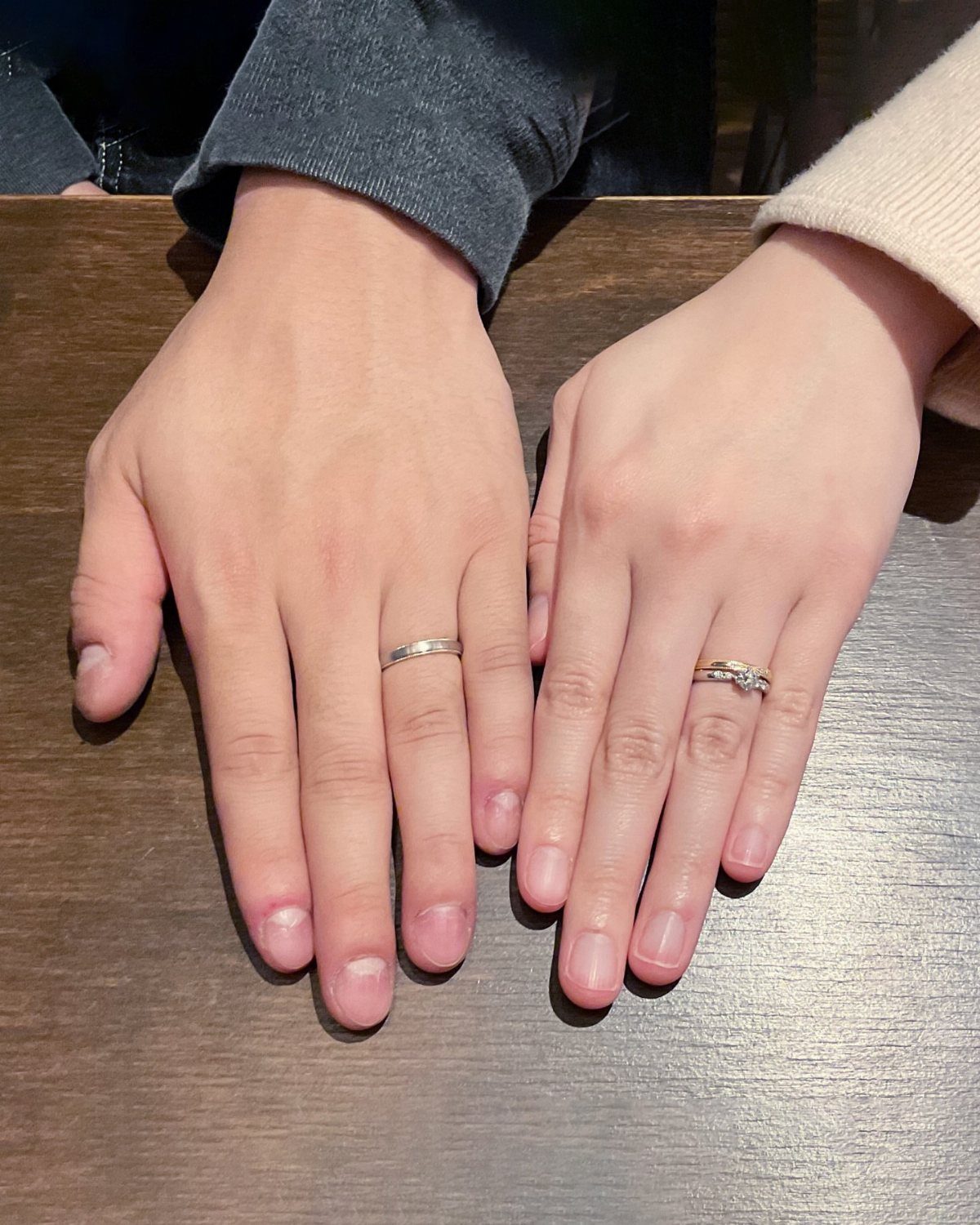
Ring photos are close-ups of your wedding bands, usually shot on your hands or resting on a surface that ties into your day.
The simplest version is you and your partner’s hands together, rings visible on your fingers. A wooden table, a piece of fabric from your dress, or the invitation suite all work as backgrounds.
If you have a family heirloom ring or custom engraving, let your photographer know so they can frame it in a way that shows the detail.
10. Groom Getting Ready
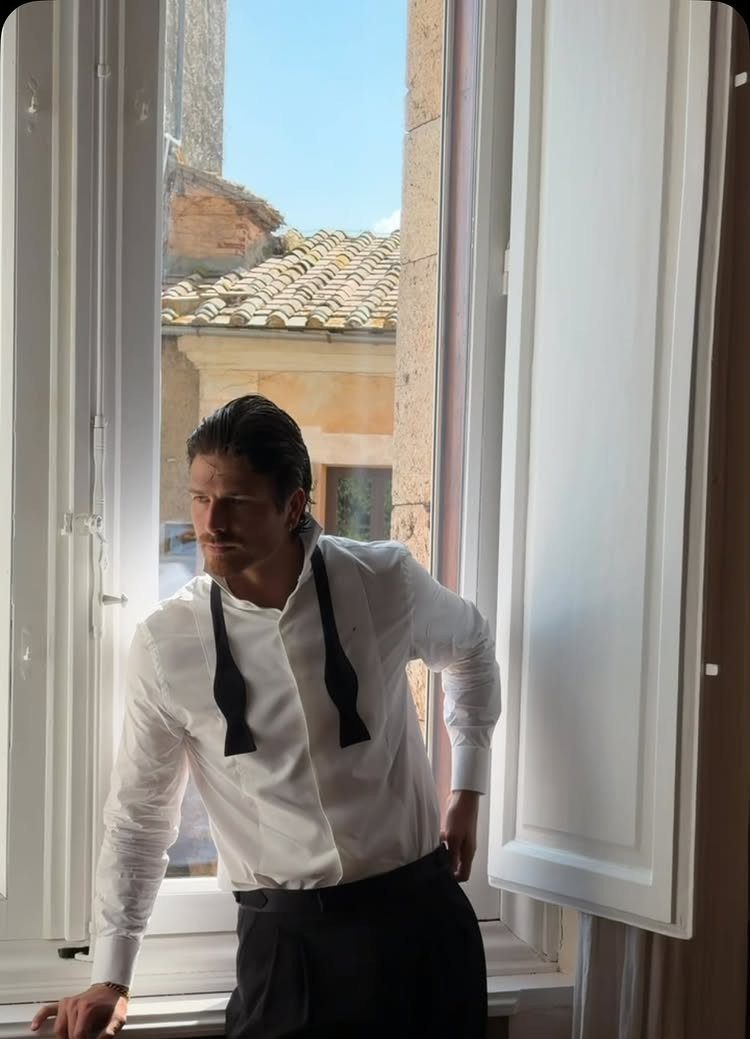
Getting-ready photos of the groom are the same idea as bridal prep shots: buttoning a shirt, adjusting cufflinks, tying a tie or bowtie.
Natural light from a window gives you the best result. If the groom is getting ready with groomsmen, candid shots of the group talking or helping each other with ties usually feel more natural than posed ones.
Give your photographer time to capture this part of the day.
11. Cake Cutting
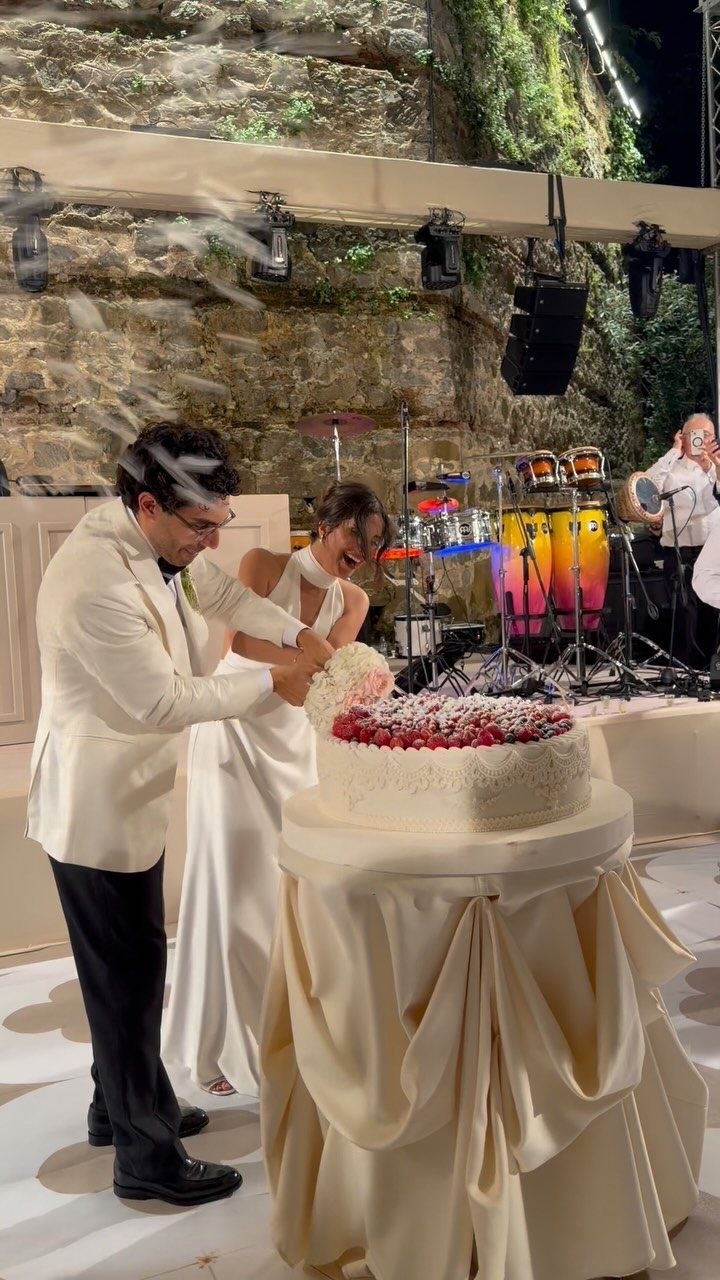
Cake cutting is a quick, traditional moment that gives you one more photo opportunity during the reception.
Most couples cut the cake right after dinner or before dancing starts. Your photographer will position themselves in front of you, so face the camera when you make the first cut together.
The shot itself takes less than a minute. If you are doing a cake smash or feeding each other a bite, tell your photographer in advance so they are ready to catch it.
12. Children at the Wedding
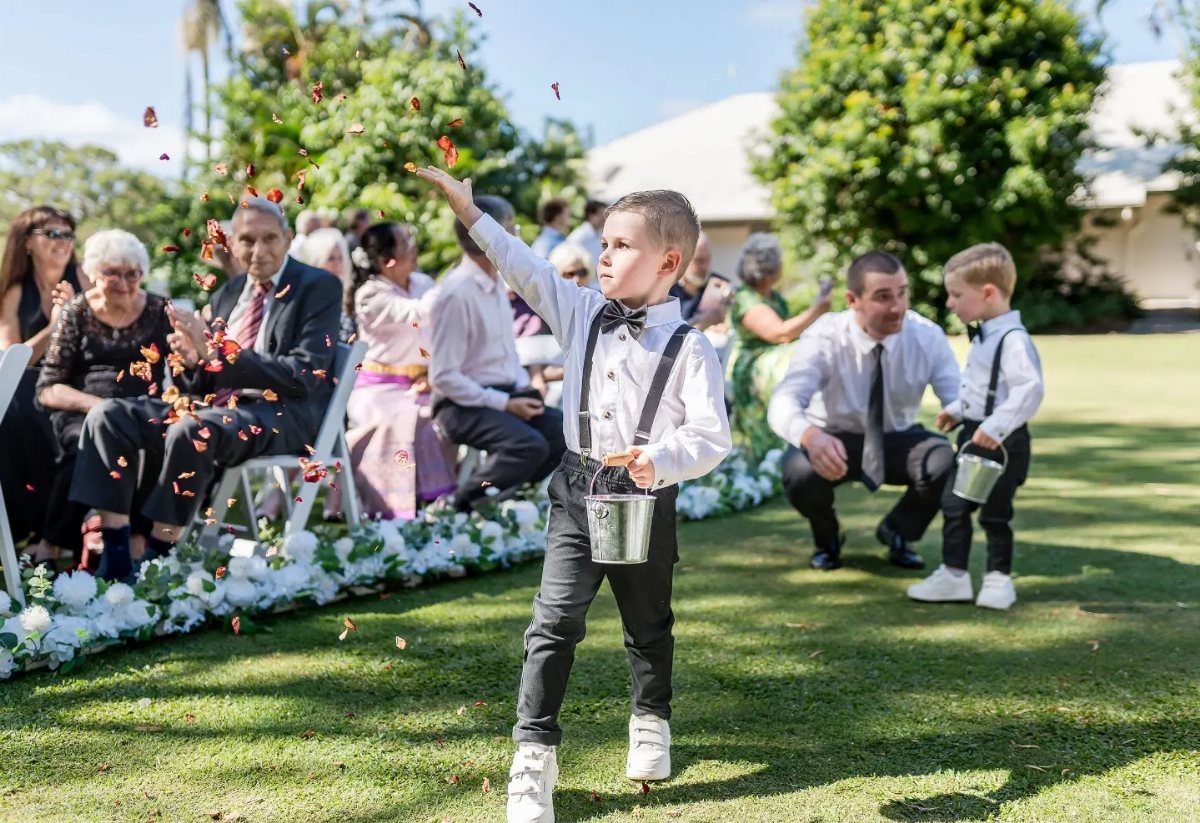
Children add energy and spontaneity to wedding photos, whether they are flower girls, ring bearers, or guests.
Kids throw petals, spin on the dance floor, or fall asleep in their parents’ arms, and those moments make for better photos than asking them to stand still and smile.
If you have children in your wedding party, give your photographer a heads-up so they know to watch for them during key moments like the processional or reception entrance.
13. Guest Candid Photos
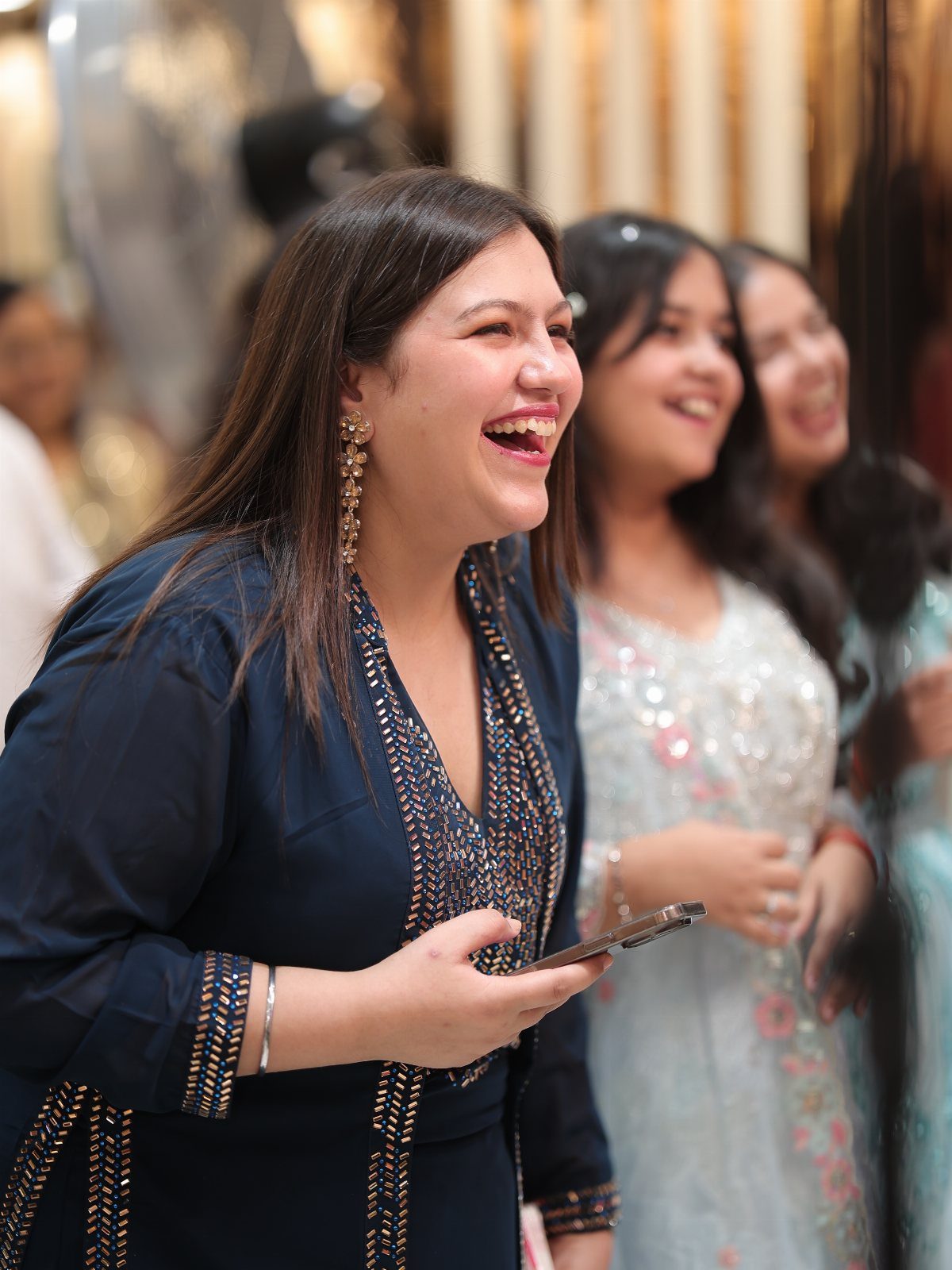
Candid photos of your guests catch the real reactions during the day: laughing during toasts, kids running around between tables, your aunt dancing with your dad.
Your photographer will move through the room between formal shots to grab these moments.
If you have specific people you want photographed, a grandparent or close friend who might not end up in group shots, point them out ahead of time.
The best candids happen when guests forget the camera is there.
14. Bridal Portrait
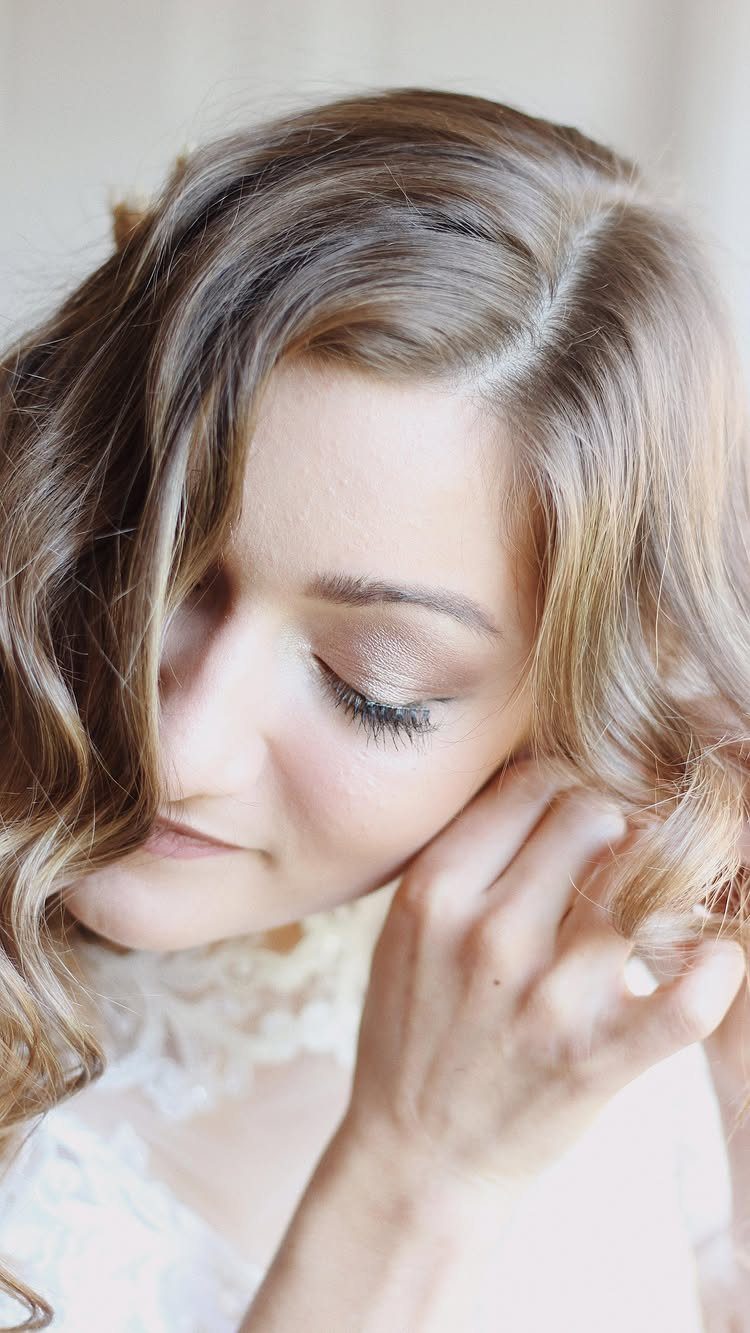
A bridal portrait is a solo shot of you in your full wedding look, separated from the timeline of getting ready or walking down the aisle.
Schedule it during a quiet window: after you’re dressed but before the ceremony, or during golden hour if your photographer is staying late. Natural window light or late-afternoon sun both work.
Have your photographer shoot from a few different sides and catch a range of looks. The shots where you’re looking away or down often feel more personal than the ones where you’re facing the camera head-on.
15. Venue Photos
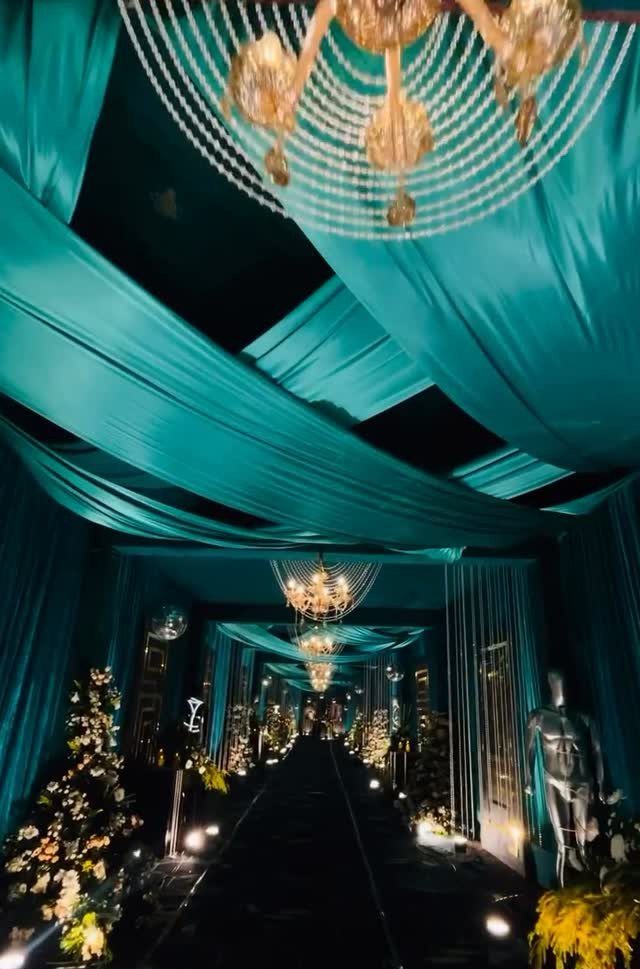
Venue photos document the space you chose and how you dressed it for the day.
Your photographer will shoot the ceremony and reception setups before guests arrive, when the room is clean and the details are still in place.
If you spent time on centerpieces, a sweetheart table, or an entrance display, this is when those pieces get their own frame.
Wide shots show the full layout. Close-ups capture individual tables, signage, or floral arrangements.
Coordinate the Photographer
Send your photographer a shot list a week or two before the wedding. Include people you want photographed specifically, any family dynamics they should know about, and which moments matter most to you.
Walk through the timeline together so your photographer knows where you will be at each part of the day and how much time you have between events.
If you are doing a first look or golden hour portraits, mark those windows clearly.
Point out any heirloom pieces, custom details, or design choices you want documented. Your photographer cannot shoot what they do not know to look for.
Hiring 2 photographers lets you cover the bride and groom getting ready at the same time, which keeps the timeline from stacking up.
One shoots the bridal party while the other works with the groomsmen, and you end up with full coverage of both sides without rushing.
Use a Second Photographer
A second photographer covers what the main photographer cannot be in 2 places for.
While your lead photographer shoots couple portraits, the second one documents cocktail hour so you have photos of guests mingling, the space set up, and candid moments you would otherwise miss.
The same logic applies to getting-ready coverage. One photographer stays with the bride and bridesmaids, the other captures the groom and groomsmen, and both sides of the day get equal attention without delaying your timeline.
2 shooters also give you backup angles during key moments like the ceremony or first dance, which means better odds of getting the shot even if someone’s head blocks the main frame.
Choose What to Skip
Posed table-to-table shots during the reception pull you away from guests and rarely result in photos you will frame.
Candid shots of people at their tables, caught while your photographer moves through the room, feel more natural and take no time away from your evening.
Food portraits and overly staged detail shots add little unless the presentation or dish itself is something you designed specifically for the day.
Skip any pose that makes you uncomfortable.
If a shot idea feels forced or awkward when your photographer suggests it, say so. The photos you actually like will be the ones where you felt like yourselves.
Frequently Asked Questions
What photos are on your must-take list?
Couple portraits, first look, and wedding party shots are the non-negotiables. They deliver frame-ready portraits and let you spend time together before guests arrive, which settles pre-ceremony jitters and buys back hours later in the day.
Are you planning on getting a shot with a thank you sign?
Hand any props like thank you signs to your planner or photographer ahead of time and mark when you want the shot taken in your timeline.
If you skip this step, the prop sits forgotten in someone’s car and never makes it into a frame.