
A wedding outfit spans white slip dresses for city hall ceremonies, embroidered lehengas for South Asian receptions, and black tie gowns in satin or velvet.
The venue and dress code decide which formality you need. Guests skip white and anything close to ivory since those shades read bridal in photos, and jeans or sneakers feel too casual even for backyard weddings.
Brides choosing their own gown weigh silhouette against movement: a mermaid cut shows shape but limits sitting and dancing, while an A-line flares from the waist and works across indoor and outdoor venues without a petticoat.
1. Wedding Guest Outfits
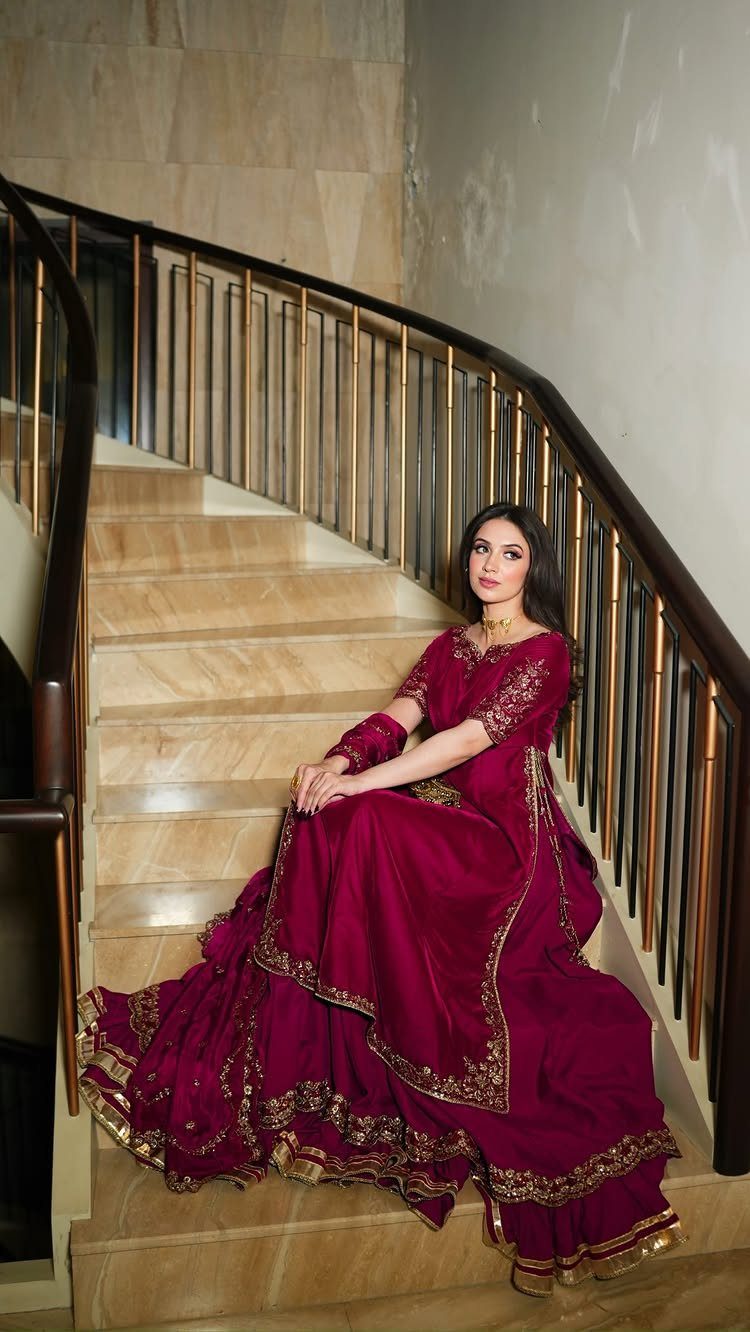
When you know the venue and dress code, picking a guest outfit is about balancing formality with comfort and personal style.
A long gown suits black tie or evening receptions; for daytime or outdoor ceremonies, a midi dress or tailored separates can feel more natural.
Seasonal fabrics matter.
Satin, velvet and heavier embroidery hold up in fall and winter, while cotton, linen and lighter prints breathe better through summer heat. Budget for shoes and accessories at the same time; they finish the look.
2. Black Tie Gown
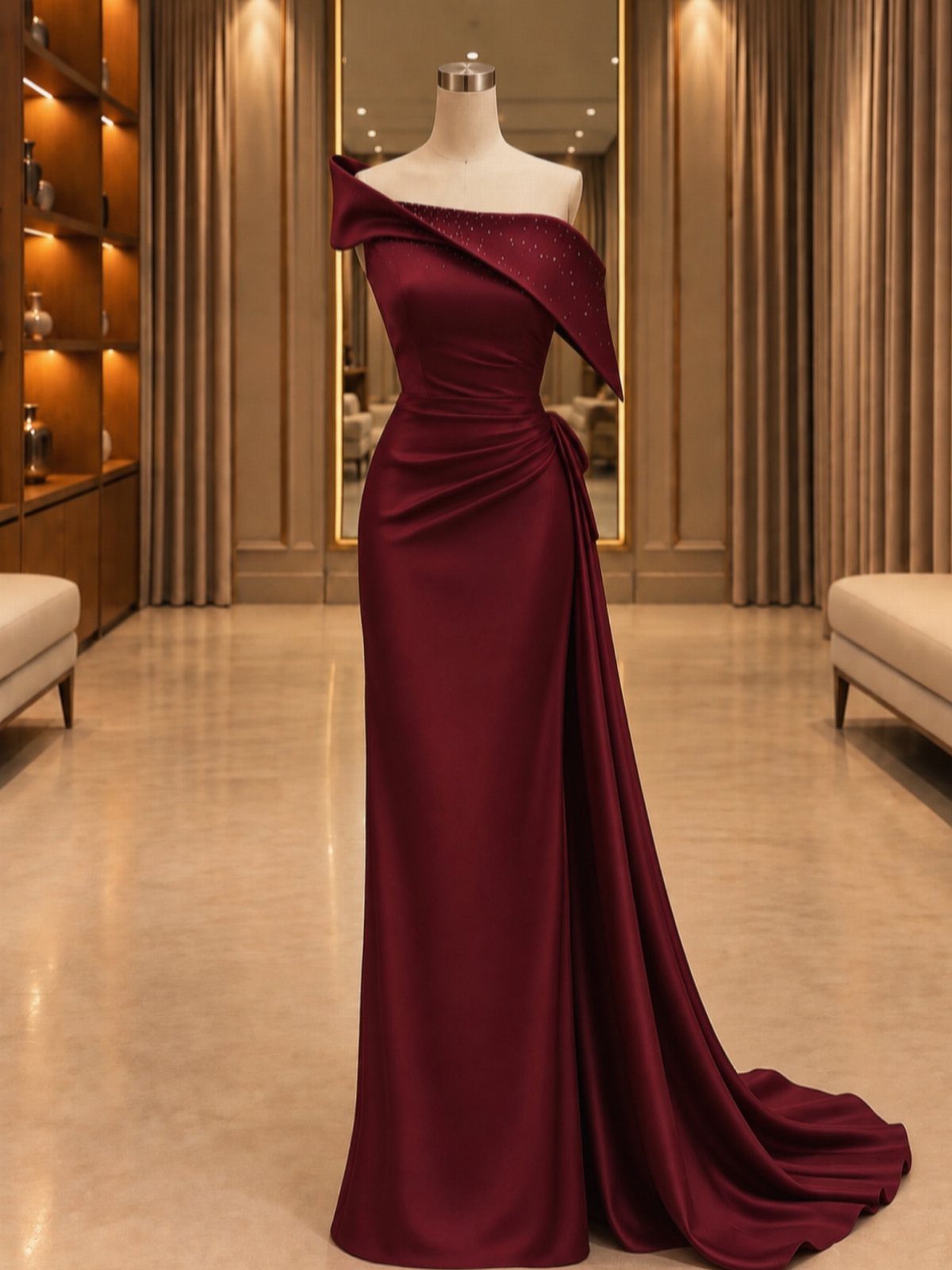
A floor-length gown in satin, velvet or crepe reads formal enough for black tie and takes minimal jewelry. Off-the-shoulder necklines and structured bodices add shape, and rich jewel tones like burgundy, emerald or navy photograph well in dim ceremony lighting.
Ankle-skimming lengths work if the hem hits at or just above the floor when you are wearing heels.
Try the dress on with the shoes you will actually wear; a gown that puddles or needs constant holding up will not feel formal by the end of the night.
3. Floral Maxi Dress
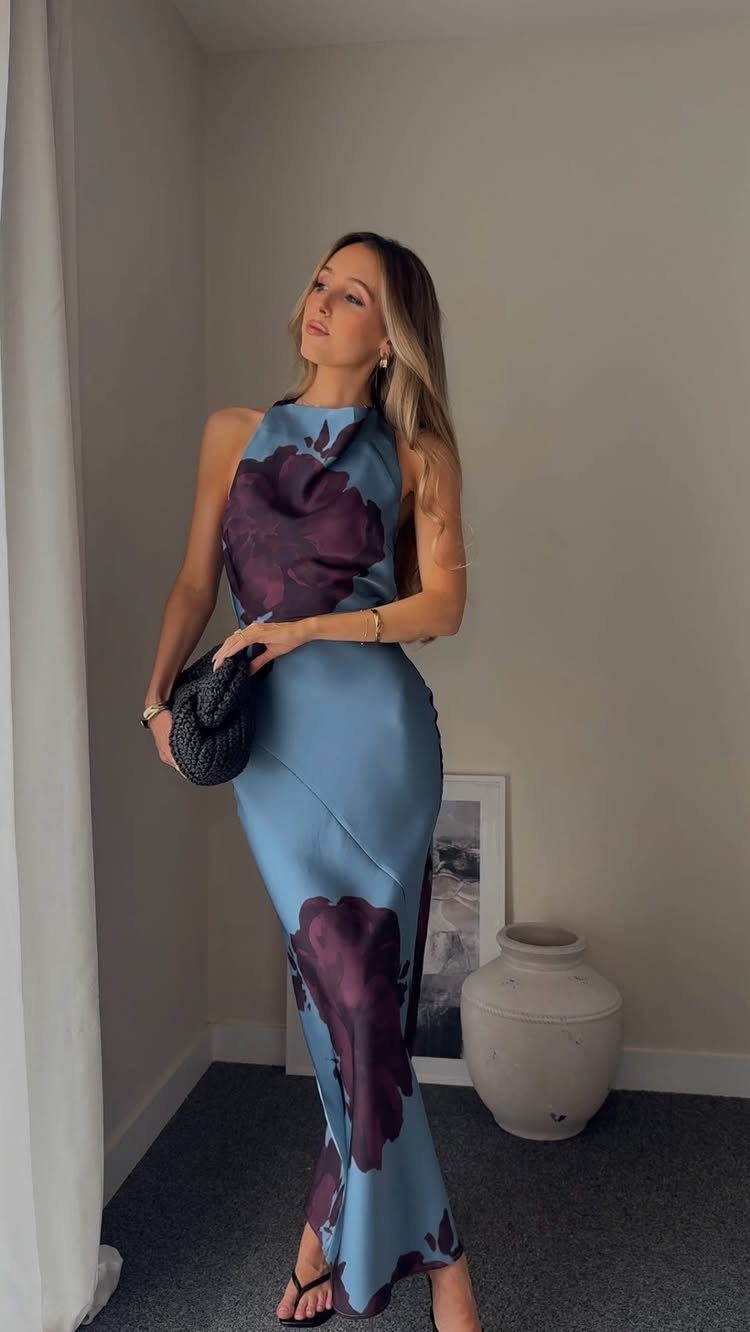
A floral print on a satin or silk-finish maxi keeps the length formal while the pattern makes it feel less severe.
Large-scale florals in saturated colors suit spring and summer weddings, especially garden or outdoor venues where a solid gown can feel too heavy.
Satin clings, so fit through the waist and hips matters more than with chiffon or cotton. Check the care label before buying; many satin maxi dresses are dry-clean only.
4. Bridal Wedding Gown
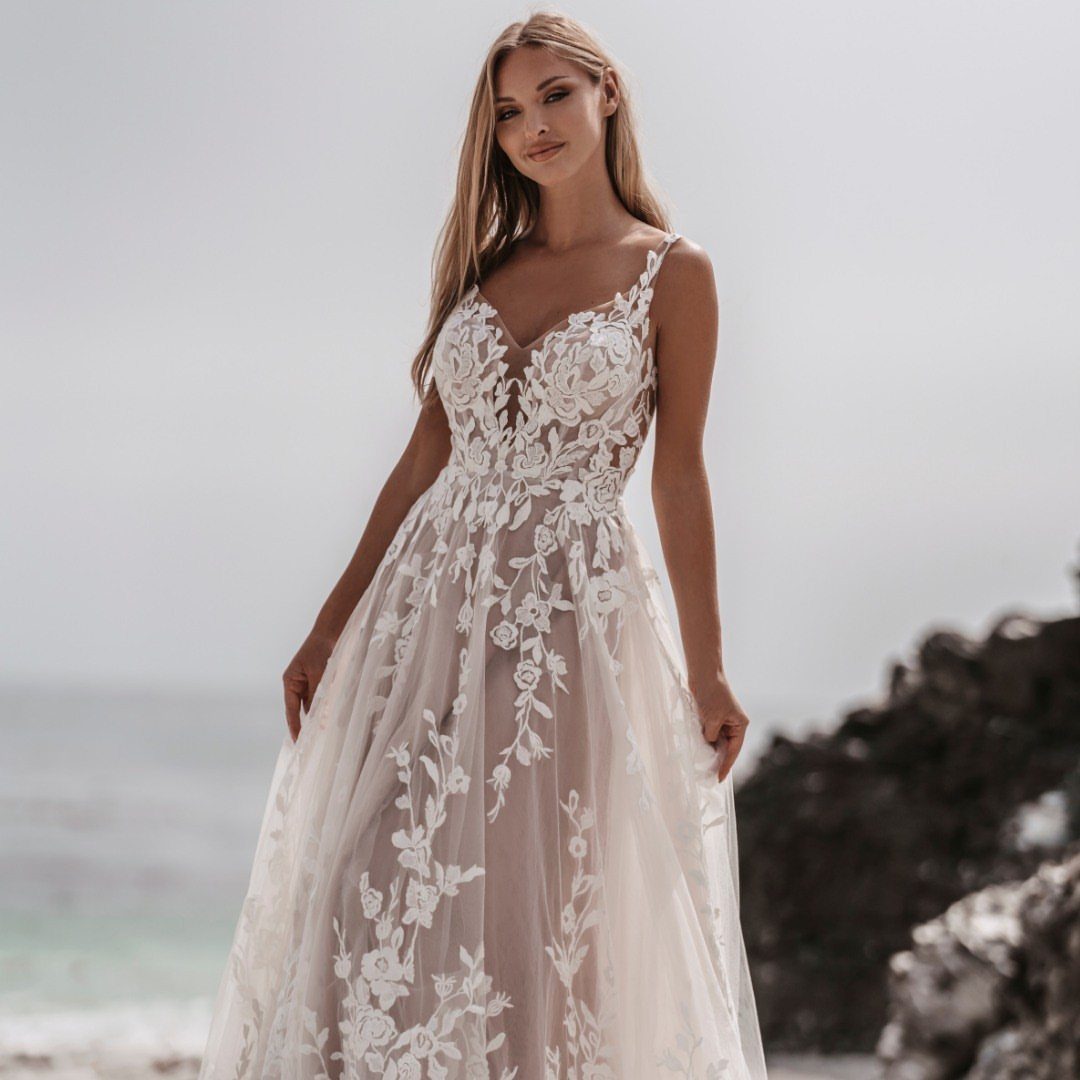
A bridal gown that fits the setting and feels like you will photograph better than one chosen to match a trend. Lace and appliqué suit outdoor and garden ceremonies, while clean-lined satin or crepe hold up better in formal ballrooms.
Beach weddings call for lighter fabrics that move in wind and do not trap heat. Tulle, chiffon and georgette all work; avoid long trains that drag through sand.
5. A-line Wedding Dress
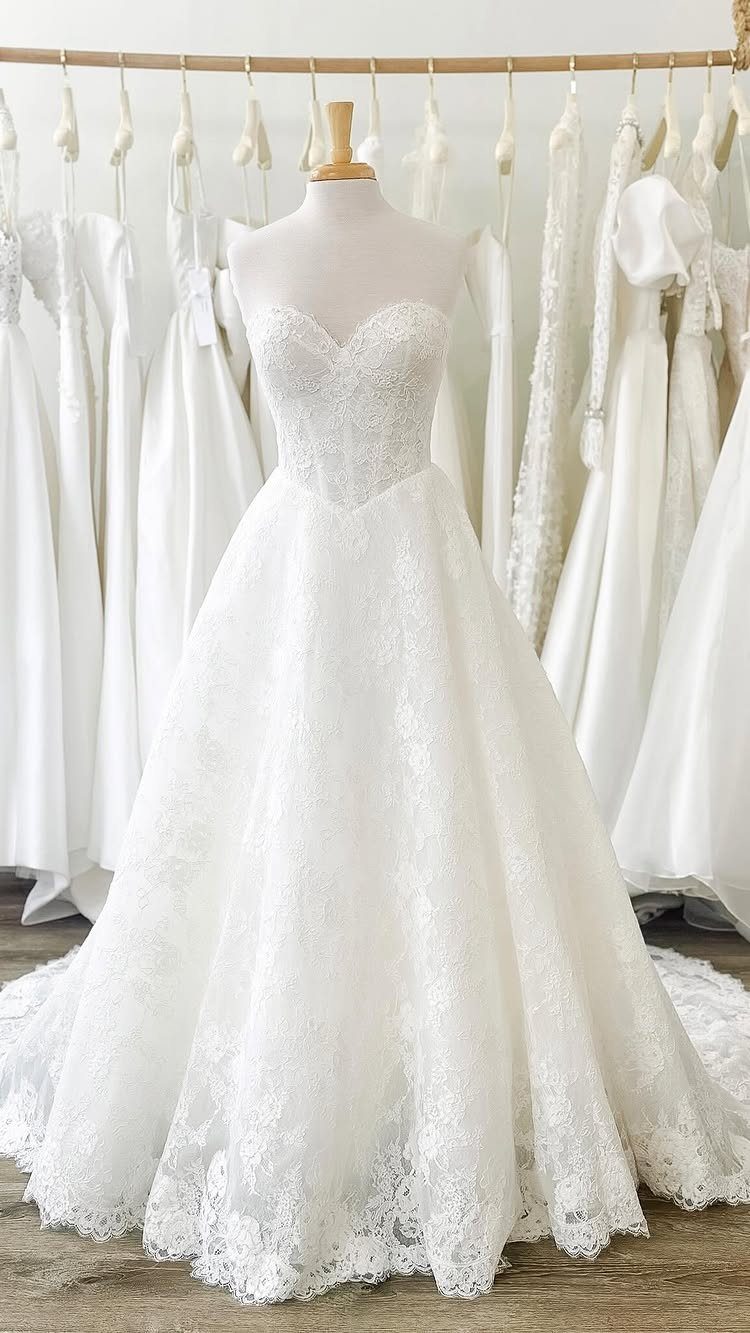
Fitted through the bodice and flaring gently from the waist, an A-line silhouette flatters most body types without the volume of a ball gown. Lace overlays and sweetheart necklines add detail without overwhelming a smaller frame.
This style works across venues.
It moves easily indoors and out, and the skirt does not require a petticoat or hoop to hold its shape. Alterations are straightforward; hemming and taking in the bodice costs less than what a ball gown or mermaid silhouette requires.
6. Ball Gown Wedding Dress
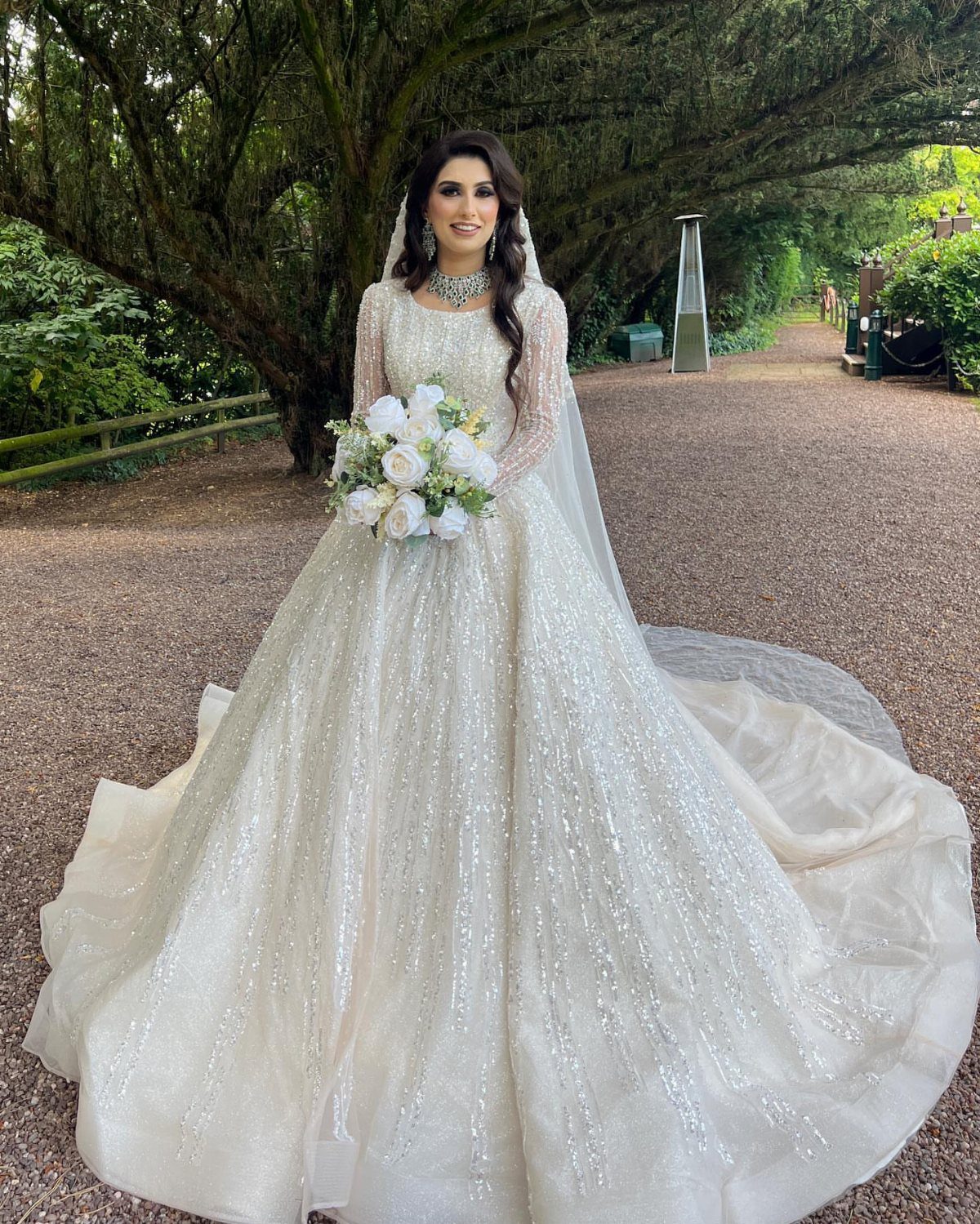
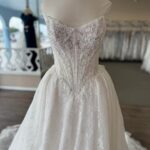
The bodice fits close and the skirt flares from the waist or hips, giving a ball gown the most volume and formality.
Long sleeves and sparkle from beading or sequins suit winter and evening ceremonies; lighter fabrics like tulle and organza work better in warmer months.
The skirt requires space.
Grand ballrooms and cathedral aisles accommodate the width; tight ceremony sites and narrow aisles do not. Expect alterations to run higher than simpler silhouettes since the layers need individual hemming.
7. Mermaid Wedding Dress
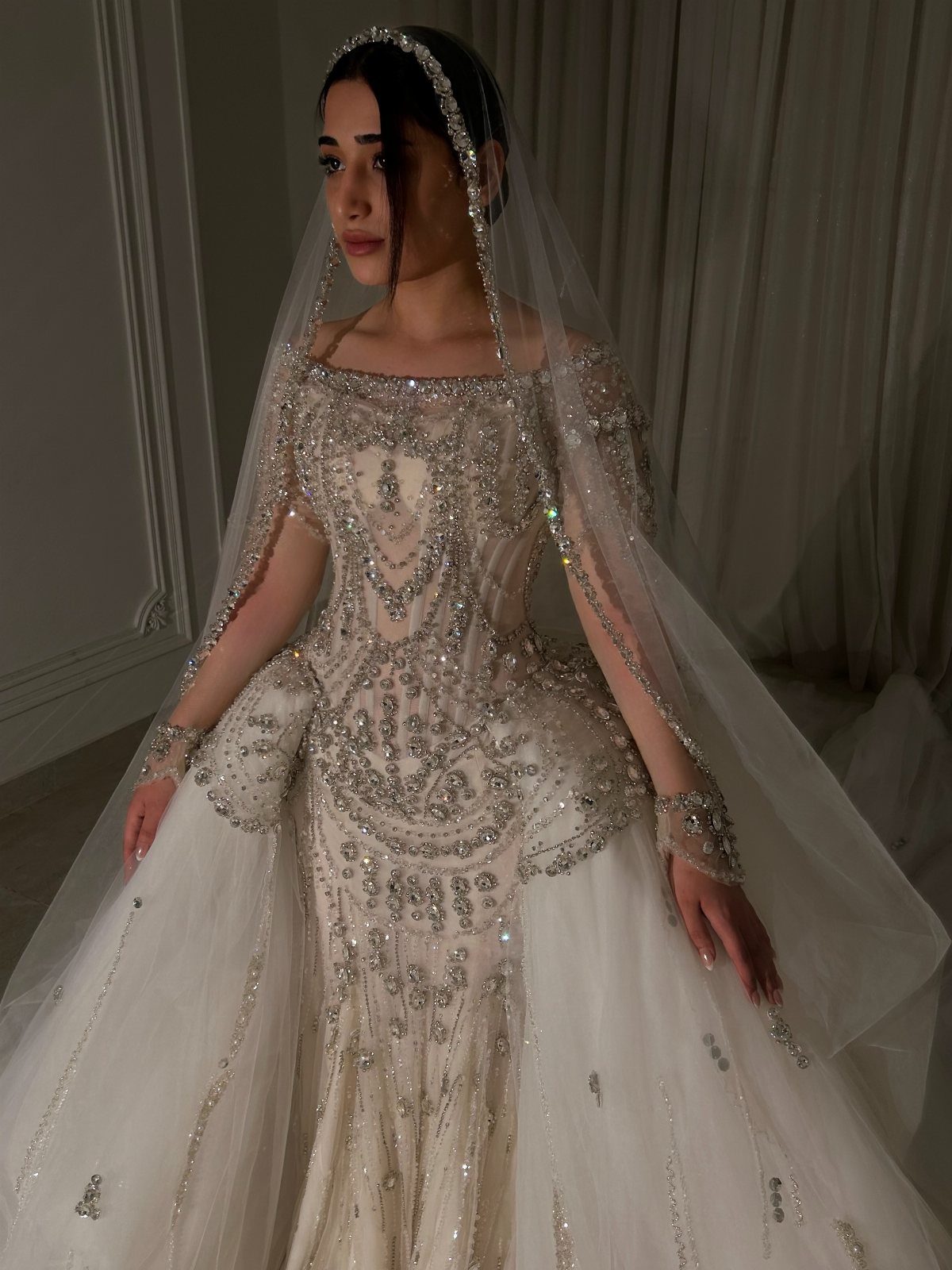
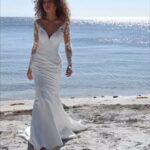
Fitted from the bodice through the hips and flaring at or below the knee, a mermaid silhouette shows shape and requires confidence in the fit.
Beading and lace appliqués add texture without bulk, and off-the-shoulder necklines balance the close fit through the body.
This cut limits movement more than an A-line or ball gown.
Sitting, dancing and using stairs take more attention, so it suits receptions with less walking between ceremony and dinner. Alterations cost more since the fit through the hips has to be exact.
8. Slip Wedding Dress
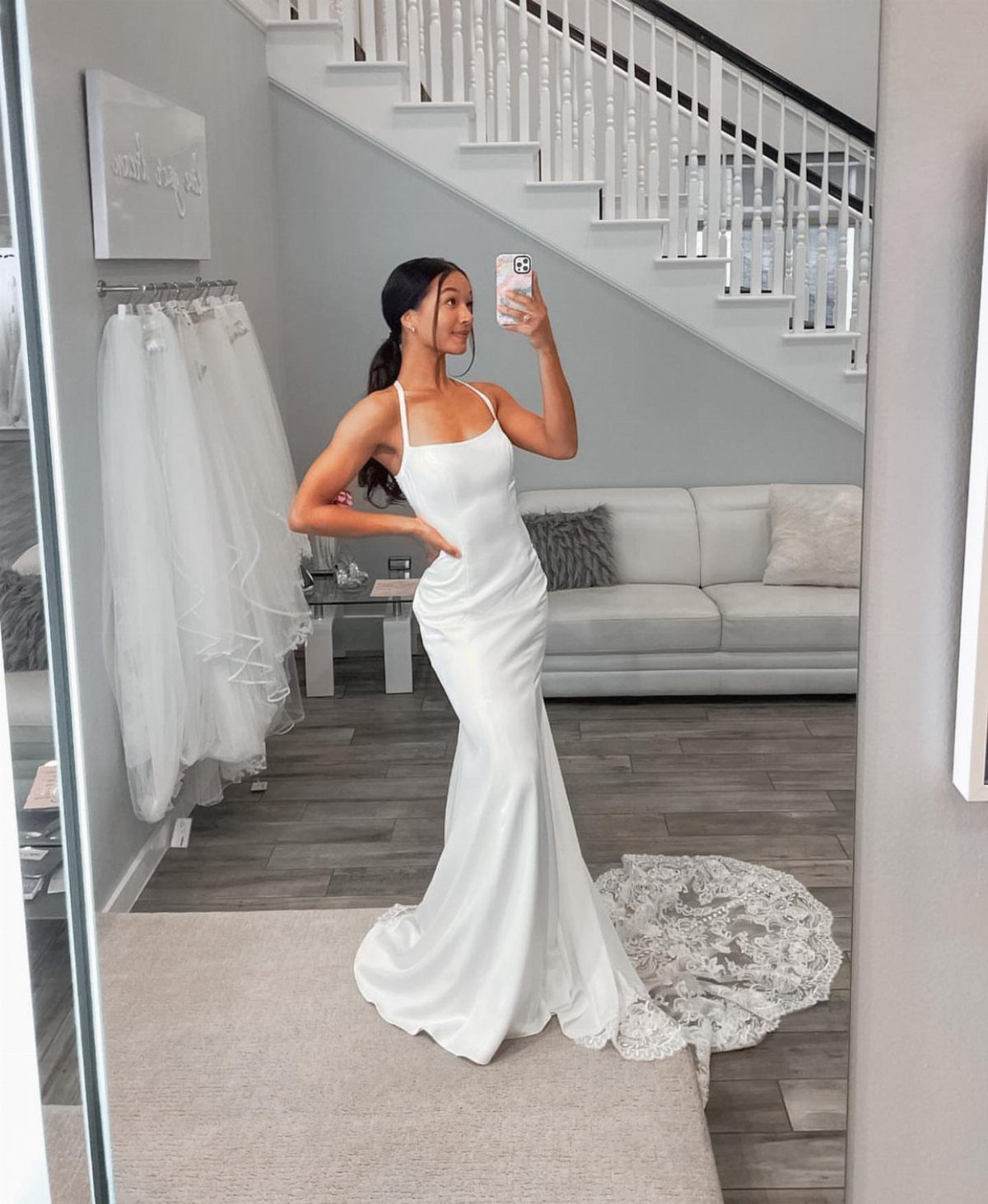
A bias-cut slip dress in silk or satin hangs from thin straps and skims the body without cinching.
The neckline stays simple, usually a scoop or cowl, and the back can dip low. This style suits minimalist weddings and city hall ceremonies where a full gown feels too formal.
The fabric shows every line, so undergarments matter.
Nude-toned styles without texture work better than lace or anything with visible detail. Silk creases easily; satin holds its shape longer but catches on rough surfaces.
9. Tulle Wedding Dress
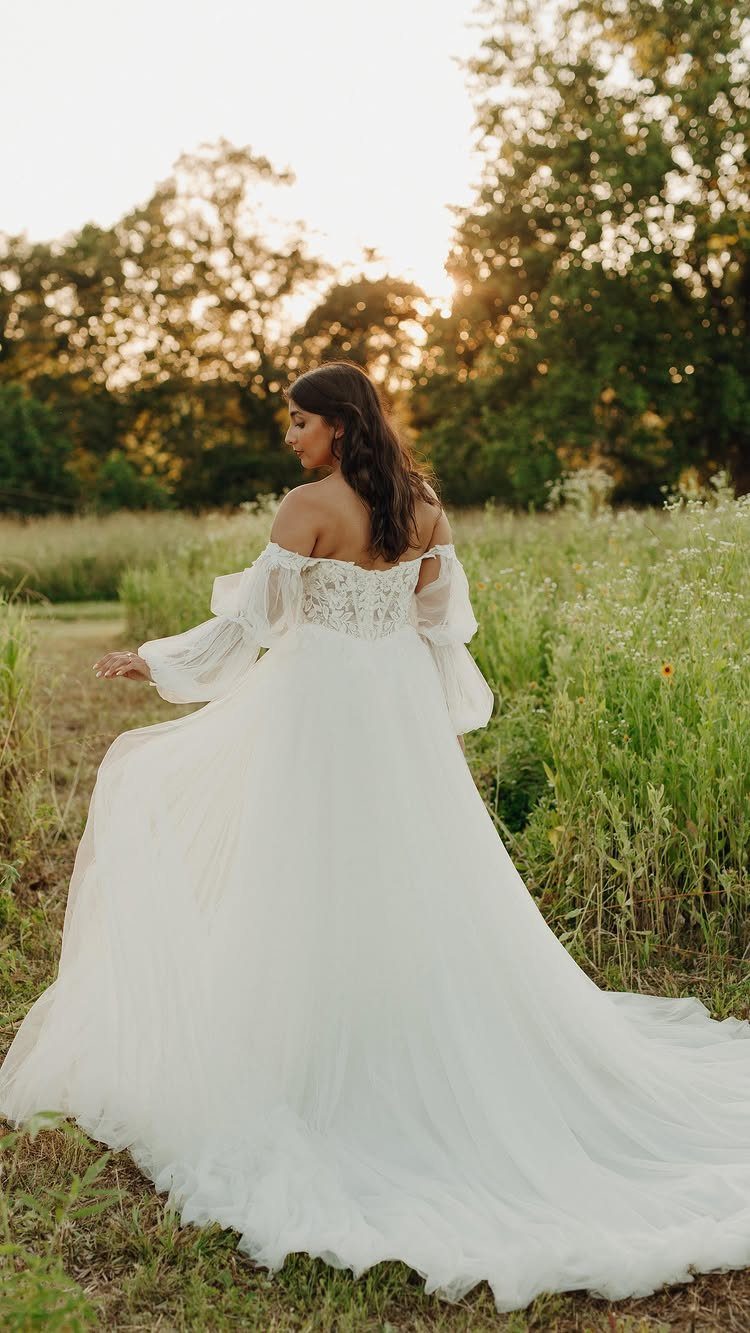
Layers of tulle create volume without weight, and the fabric moves easily in wind.
Puff sleeves and gathered skirts suit garden and outdoor ceremonies where a structured gown can feel stiff. Tulle works well over satin or crepe linings that smooth the silhouette underneath.
The fabric snags on jewelry, rough walls and anything with a catch. Keep accessories simple and check hems before the ceremony; a torn layer shows immediately against the rest.
10. Sequin Wedding Dress
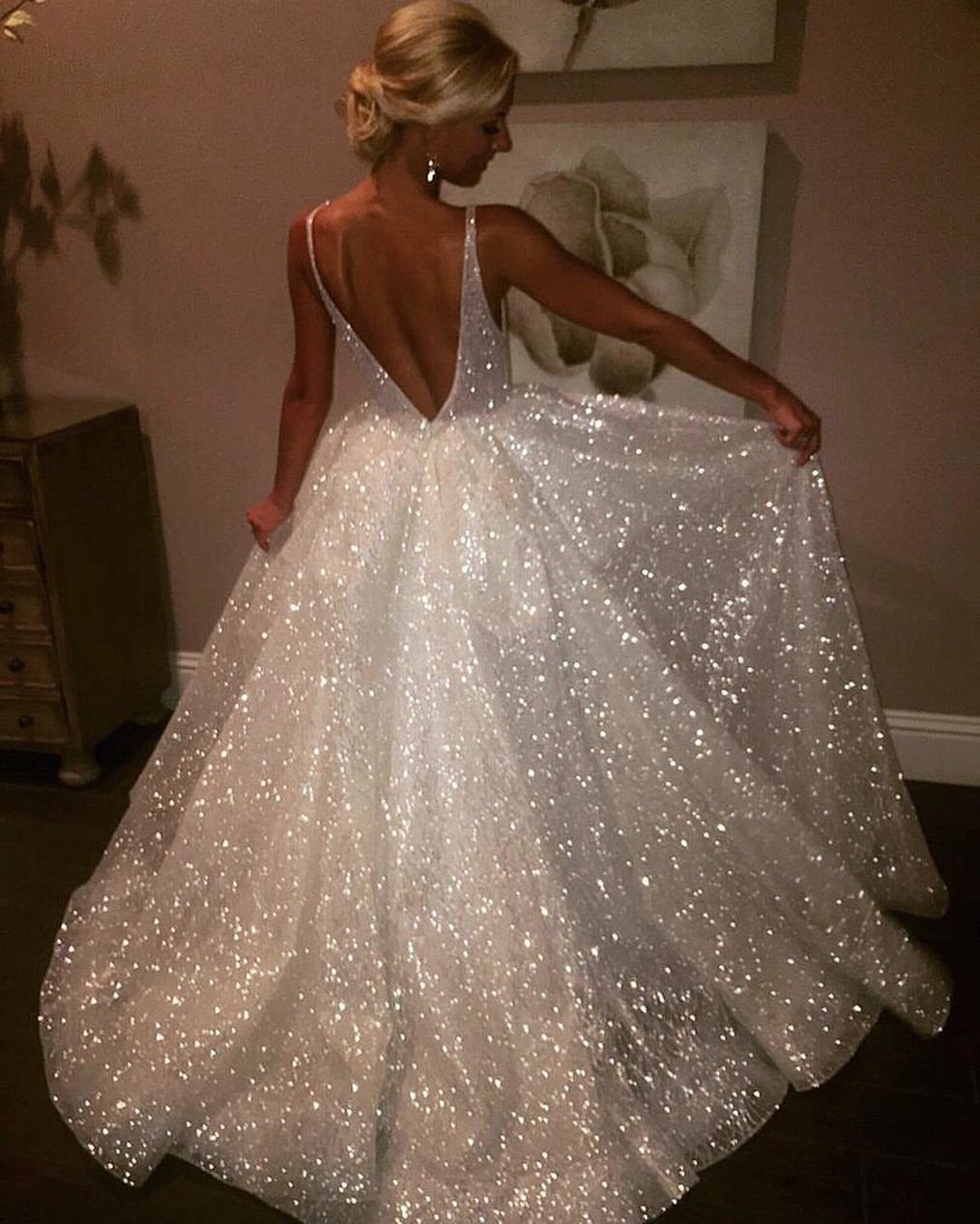
Sequins catch light and photograph well in dim reception spaces where satin can look flat.
All-over sequin coverage gives the most sparkle; scattered sequins on tulle or mesh add texture without the full shine. Deep V-backs and plunging necklines keep the look modern instead of pageant.
Sequins add weight.
A full skirt in sequined fabric tires you out faster than tulle or chiffon, so this style suits shorter receptions or brides who plan to change into something lighter for dancing. Budget for dry cleaning only.
11. Wedding Dress Appliques
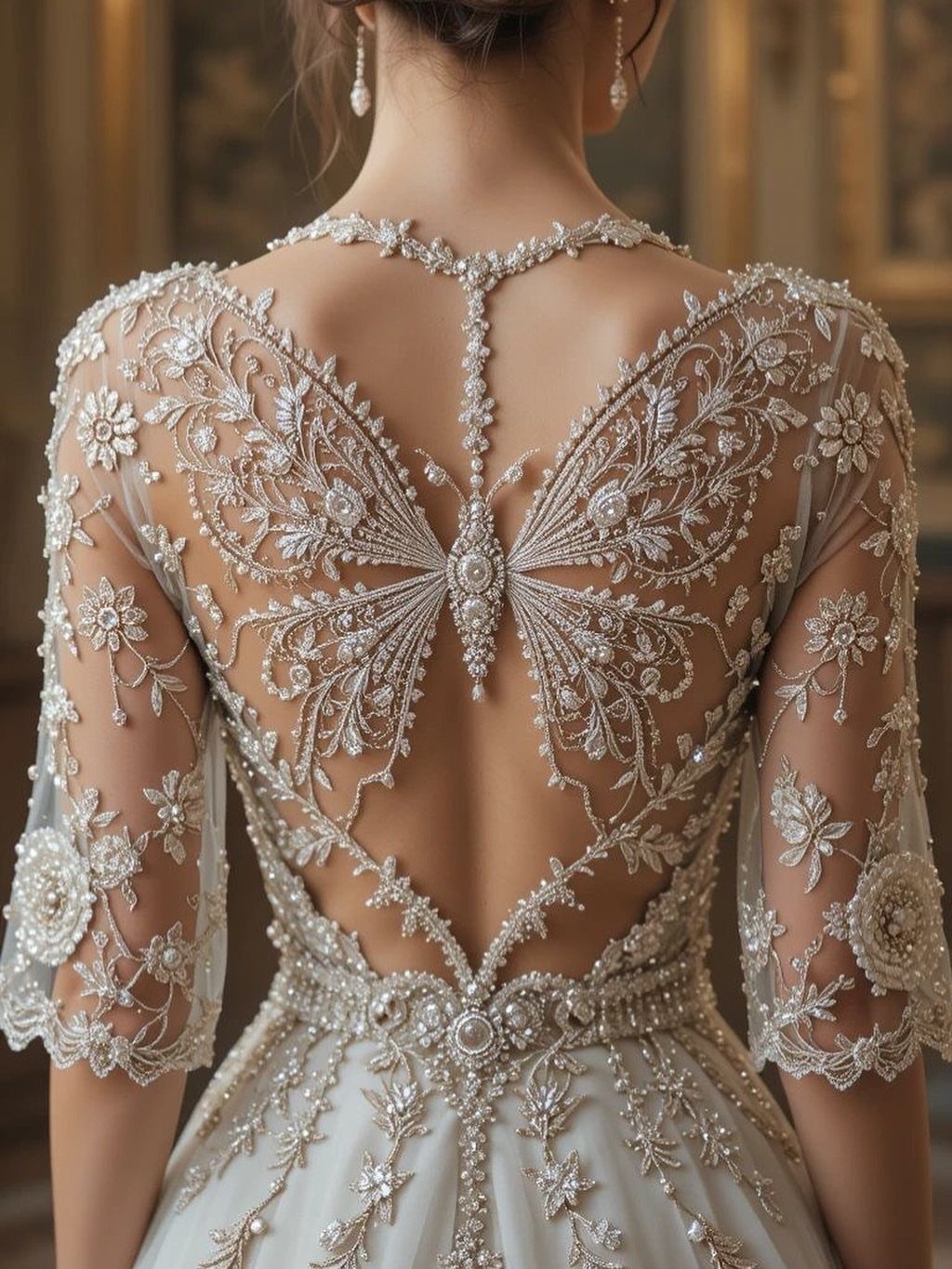
Appliqués are fabric shapes, usually lace or organza, sewn onto the dress for dimension.
Floral and butterfly motifs layer well on sheer backs and sleeves, and beaded edges catch light without full sequin coverage. The shapes can scatter across the bodice or concentrate along the hem and train.
Intricate appliqués cost more in alterations since each piece has to be repositioned if the dress is taken in or let out.
Simpler, larger appliqués move more easily. Ask about this before ordering if you think sizing might shift.
12. Wedding Dress Embroidery
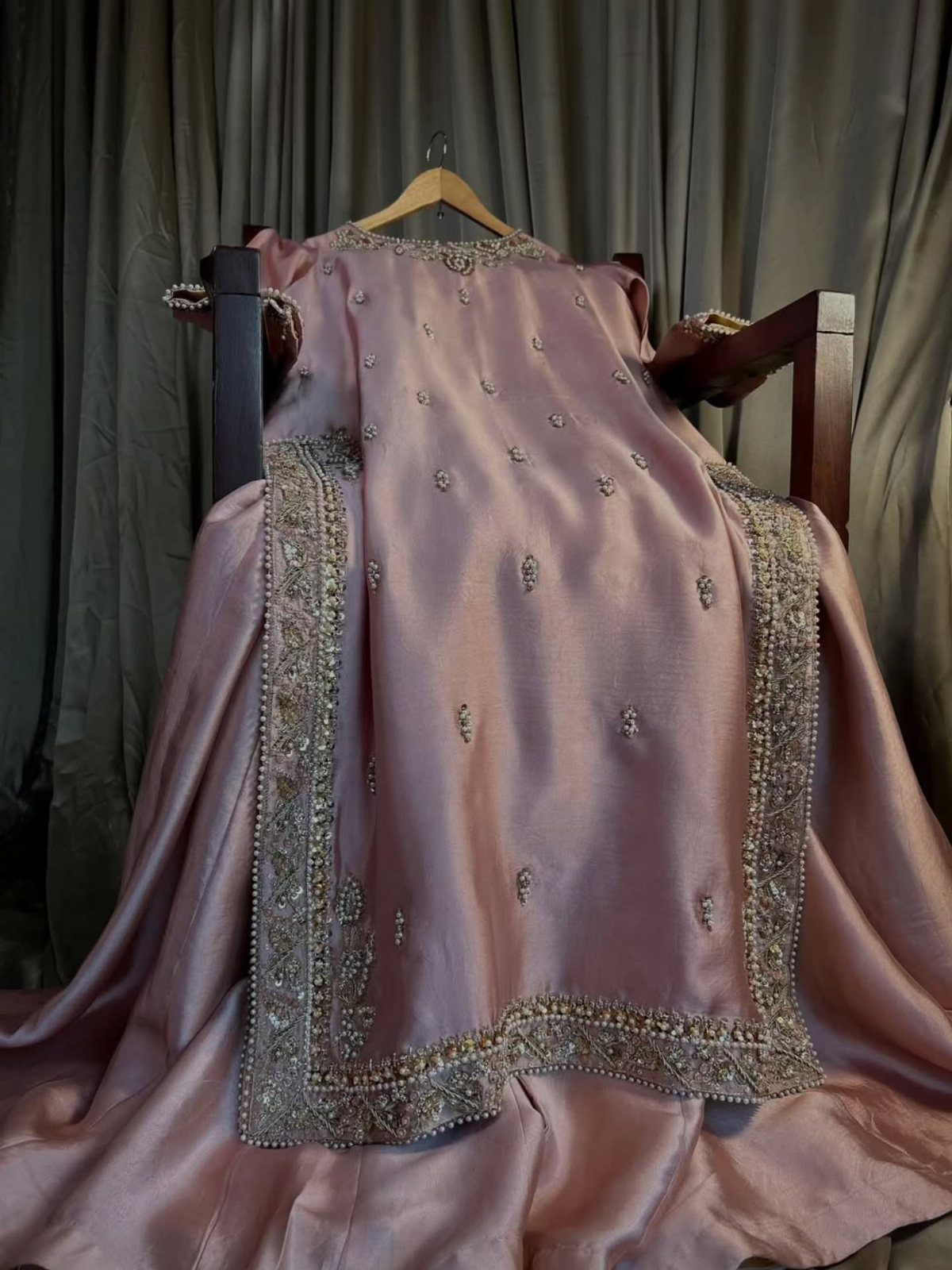
Hand embroidery in metallic thread or pearls adds detail that photographs well up close.
Gold and silver stitching suit jewel-tone gowns like burgundy, emerald or dusty rose; white or ivory thread on white fabric needs heavier beading to show. Floral patterns and paisley motifs work across necklines, bodices and sleeves.
Embroidered gowns weigh more than plain satin or tulle, and the stitching can snag.
Store the dress flat or on a padded hanger, never folded. Dry cleaning is required; hand washing risks pulling threads loose.
13. Lace-up Back
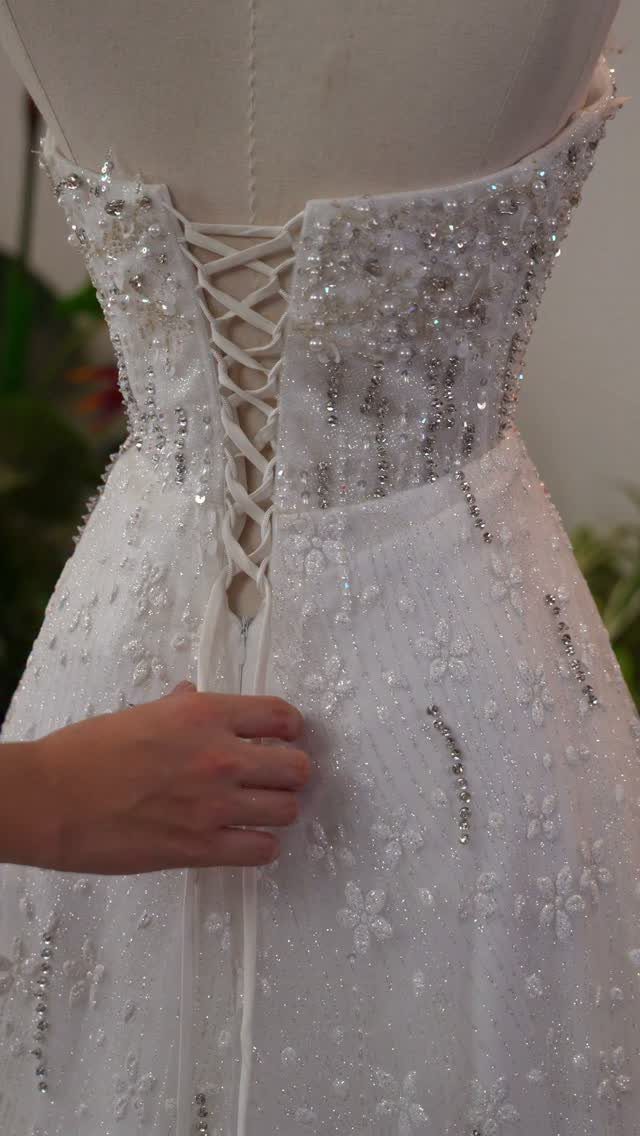
A corset-style lace-up back adjusts to fit without extensive alterations and adds vintage detail that photographs well. The crisscross lacing can tighten or loosen several inches, which helps if your measurements shift between ordering and the wedding day.
Beading around the lacing adds texture but makes it harder to thread the ribbon cleanly.
Plan extra time for dressing; lacing takes longer than a zipper and usually requires help. Satin ribbon holds knots better than organza.
14. Wedding Dress Sleeves
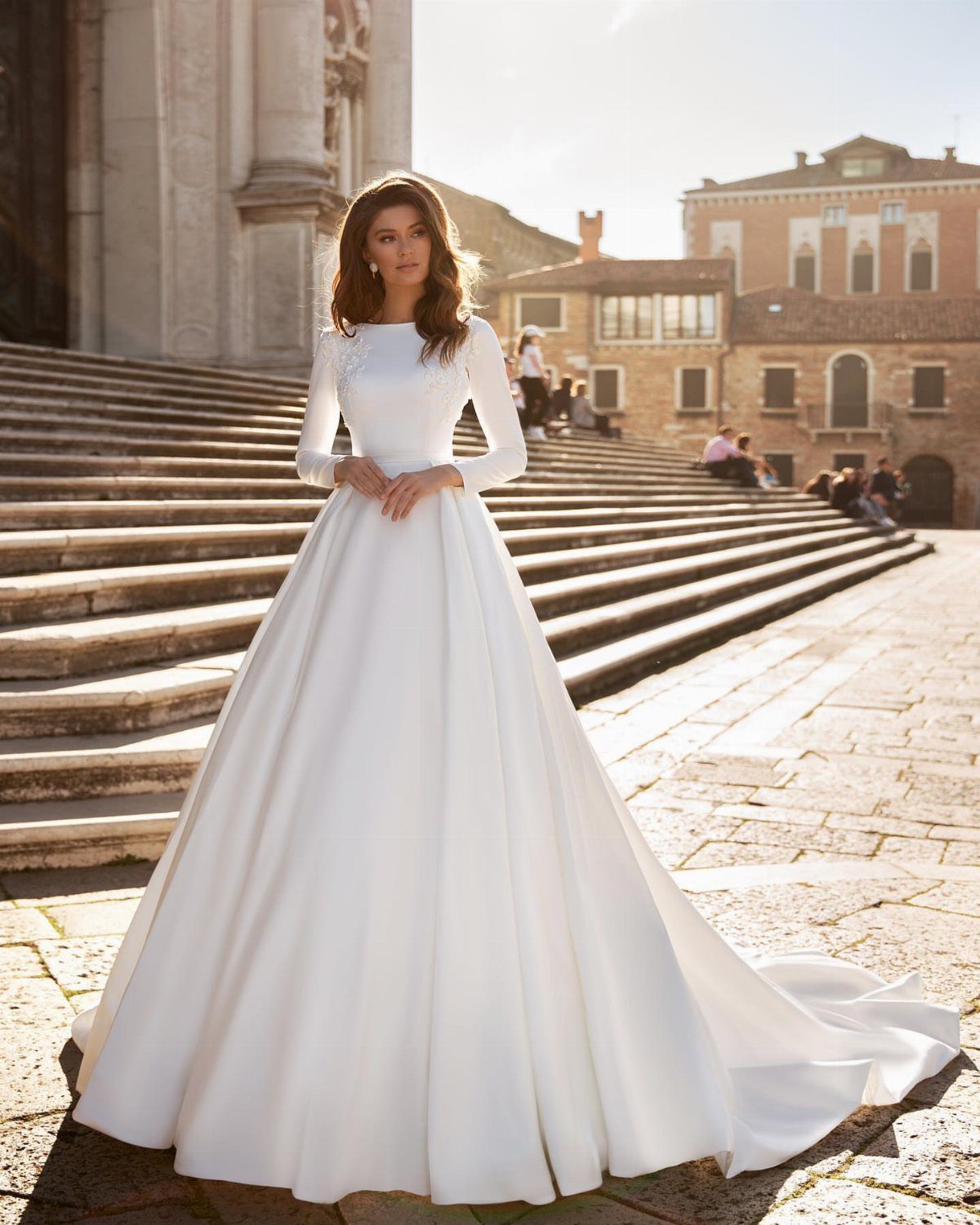
Long sleeves suit cooler months and formal ceremonies where bare shoulders feel too exposed. Lace sleeves add detail without the weight of beaded fabric, and fitted cuffs photograph cleanly next to a bouquet.
Sleeves limit arm movement more than a strapless bodice.
If you plan to dance, check how high you can lift your arms in the dress before ordering. Sheer sleeves with lace appliqués give coverage while staying lighter than solid fabric.
15. Bridal Wedding Shoes
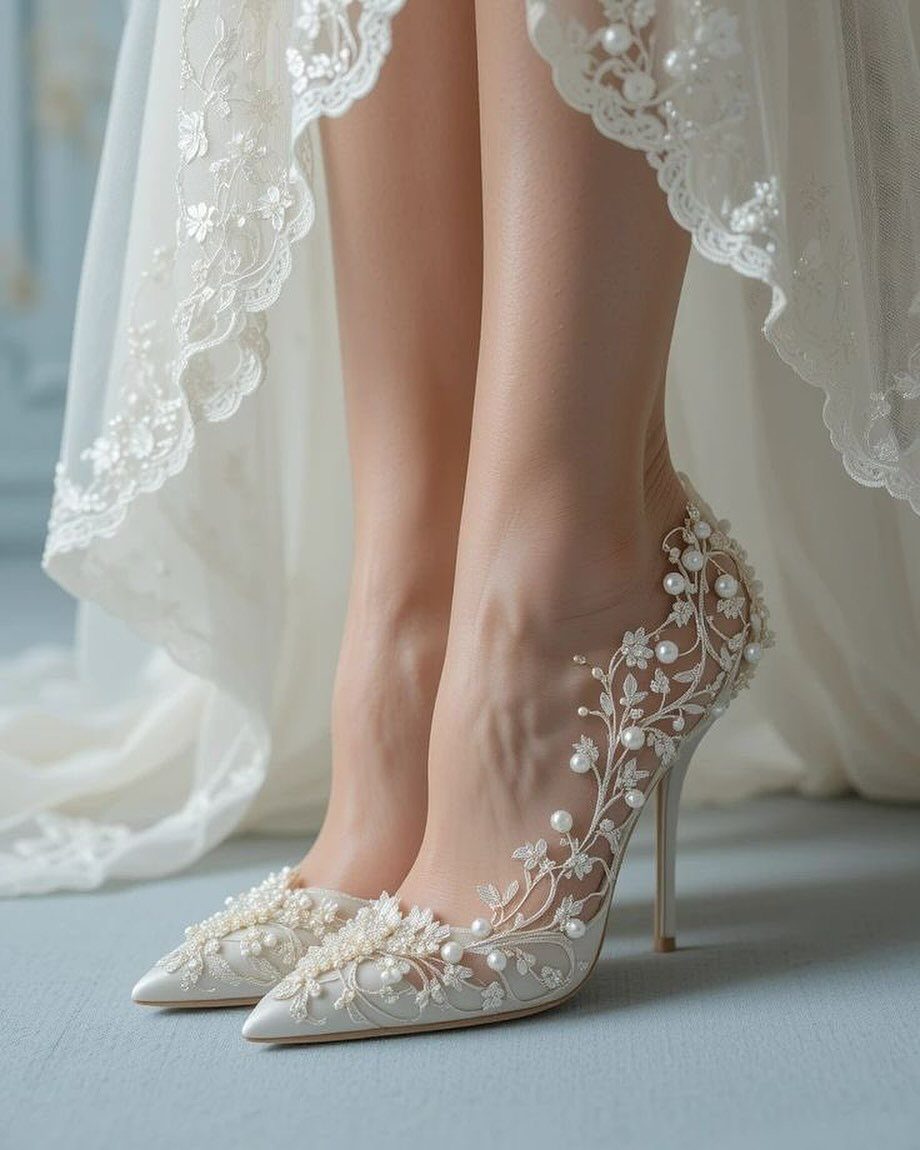
Pointed-toe heels in white satin or lace match a formal gown and add height without platform bulk.
Lace appliqués and pearl beading tie the shoe to a detailed dress, but plain satin works better under simpler gowns where too much texture competes.
Break in new heels before the ceremony.
Wear them around the house for short stretches to soften the insole and check for rubbing. Budget for grip pads if the venue has polished floors; satin soles slip.
16. Bridal Headpiece
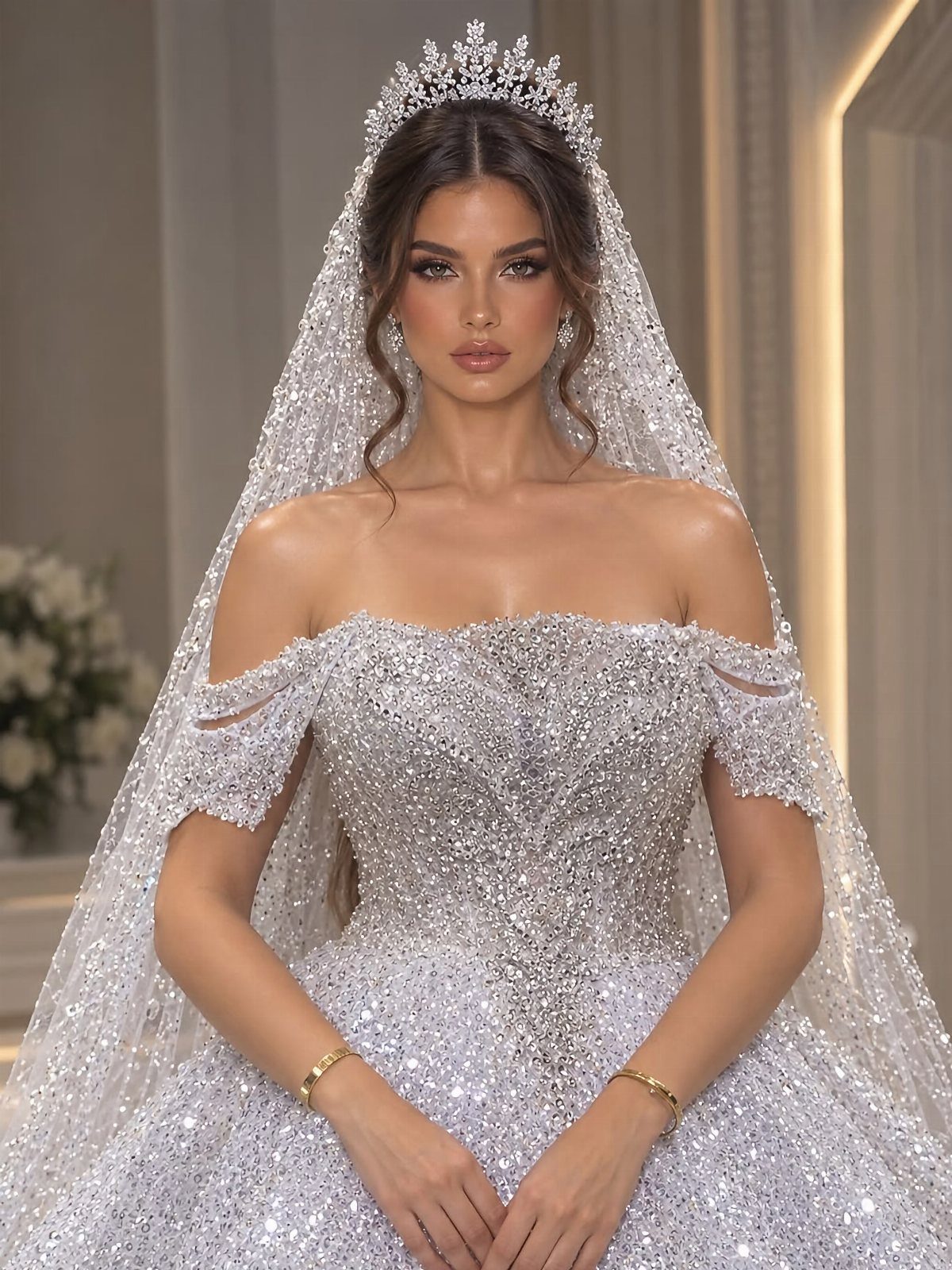
A tiara or jeweled headpiece anchors a veil and adds formality to an updo or half-up style. Silver and crystal tiaras suit cooler-toned gowns; gold or rose gold pairs better with ivory and champagne fabrics.
The headpiece should feel secure without digging into your scalp after an hour.
Try it on with the hairstyle you plan to wear, not loose hair, since pins and volume change how it sits. Avoid oversized designs that tilt forward or catch on the veil.
17. Wedding Guest Jumpsuit
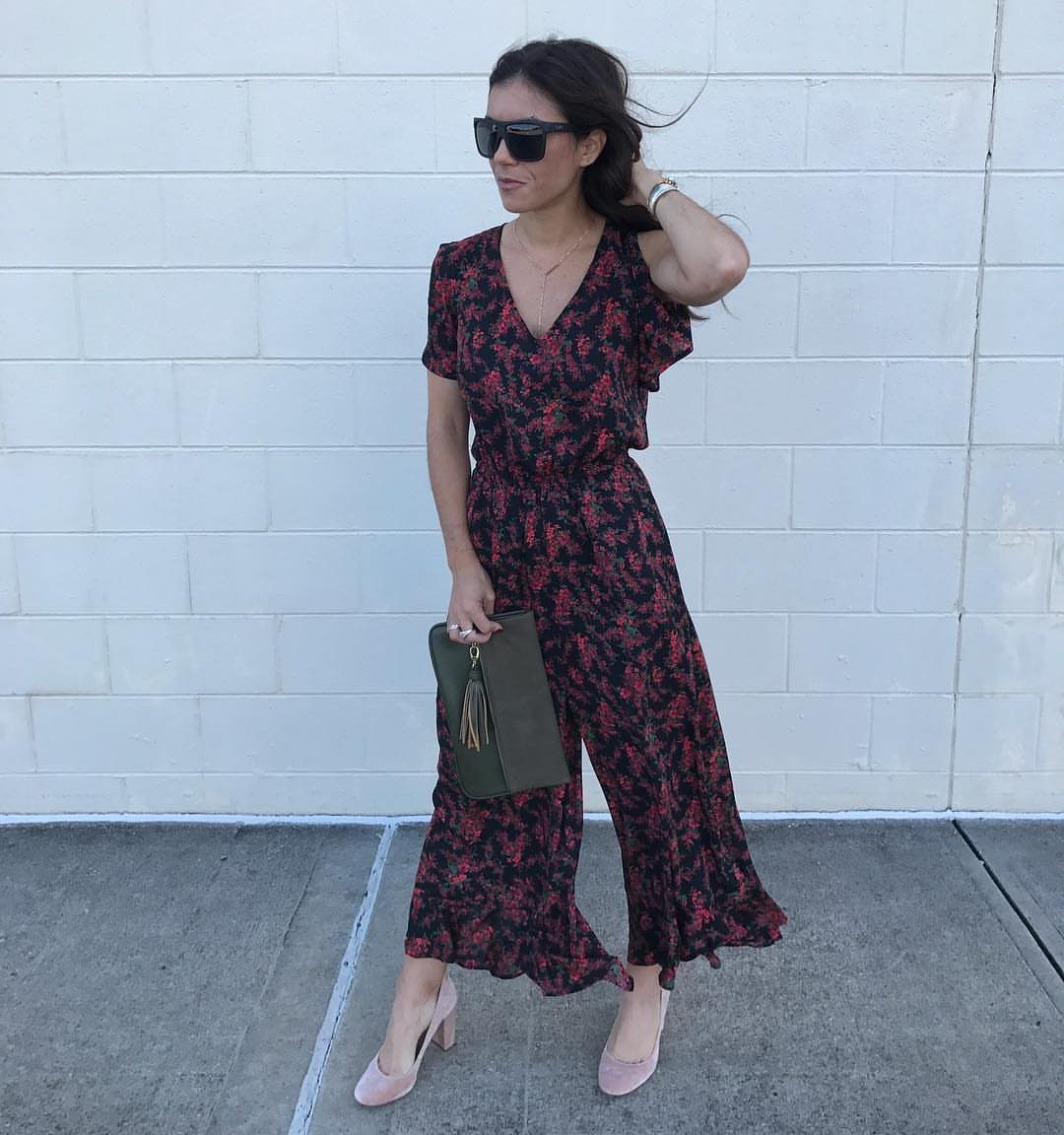
A tailored jumpsuit in silk or satin reads formal enough for evening receptions and offers more freedom of movement than a long gown.
Wide-leg cuts balance fitted bodices, and darker prints in black or jewel tones suit fall and winter weddings.
Get the fit right at the store because taking in a jumpsuit later runs higher than hemming a dress. Jumpsuits also make restroom stops slower, so fitted styles with back zippers take longer than wrap or tie-waist versions.
18. Wedding Guest Two-piece

A crop top and skirt set in matching fabric gives the formality of a dress with more styling flexibility. Sequined or embroidered sets suit evening receptions, and a longer skirt balances the shorter top for venues with stricter dress codes.
The waistband should sit high enough that no skin shows when you sit or raise your arms. Black and jewel tones photograph well in low light, and a shawl or wrap adds coverage for ceremonies in religious venues.
19. Wedding Guest Accessories
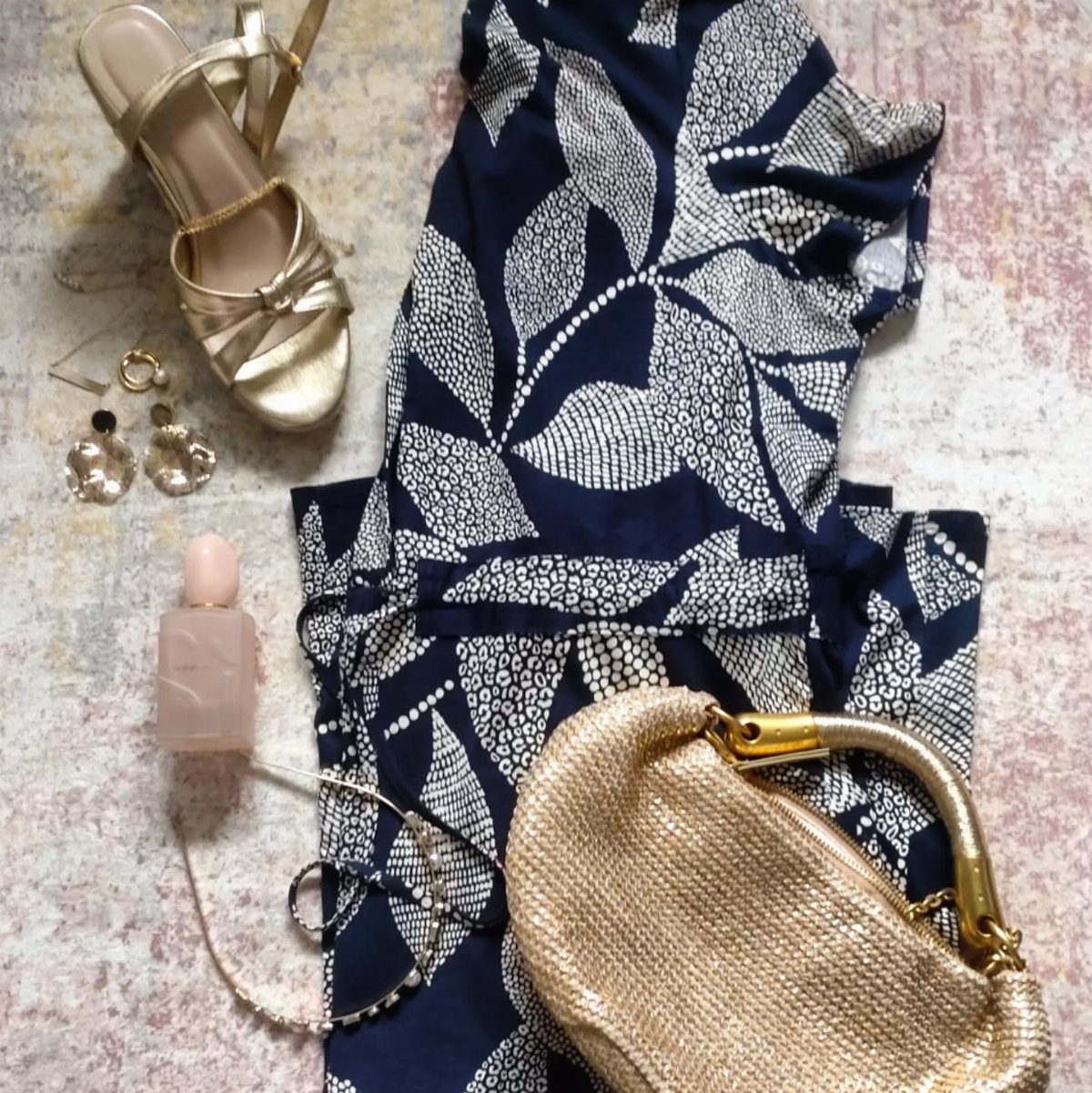
Gold jewelry and a matching clutch pull navy or jewel tones into a cohesive look without adding much weight to your bag.
Metallic sandals photograph better than matte flats in evening light, and a low block heel stays stable on grass or uneven venue floors.
Keep earrings and bracelets in the same metal finish. Mixed metals read busy in photos, and silver against gold competes for attention instead of framing the dress.
20. Satin Wedding Guest Gown
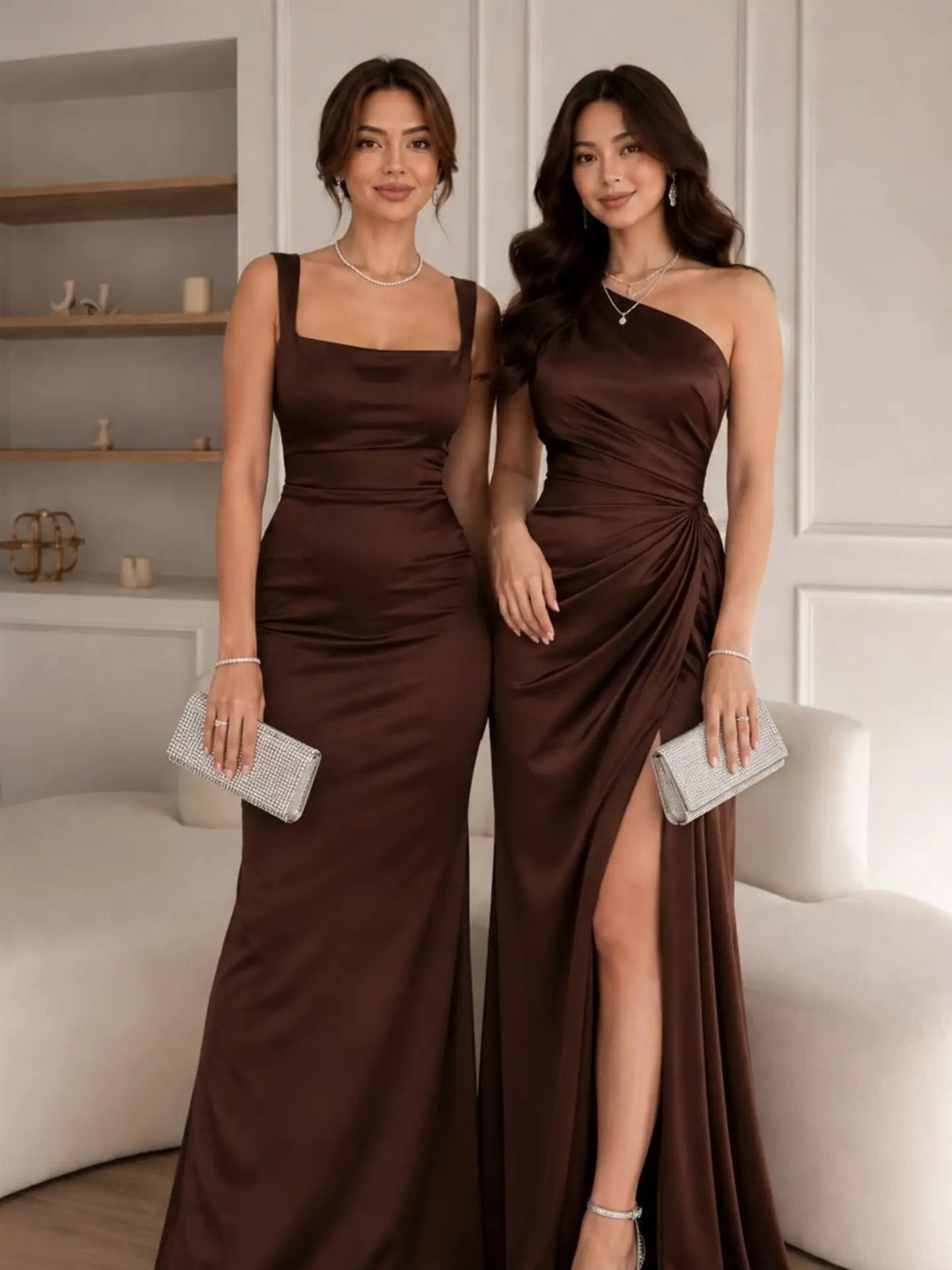
Brown satin in a floor-length cut reads formal without the stiffness of black, and the fabric catches light cleanly under both daylight and reception dimness.
A fitted bodice and straight skirt move easily and require less hemming than a full ball gown.
A metallic clutch adds texture without clashing, and nude or metallic heels stay neutral enough to rewear.
21. Lehenga Wedding Outfit
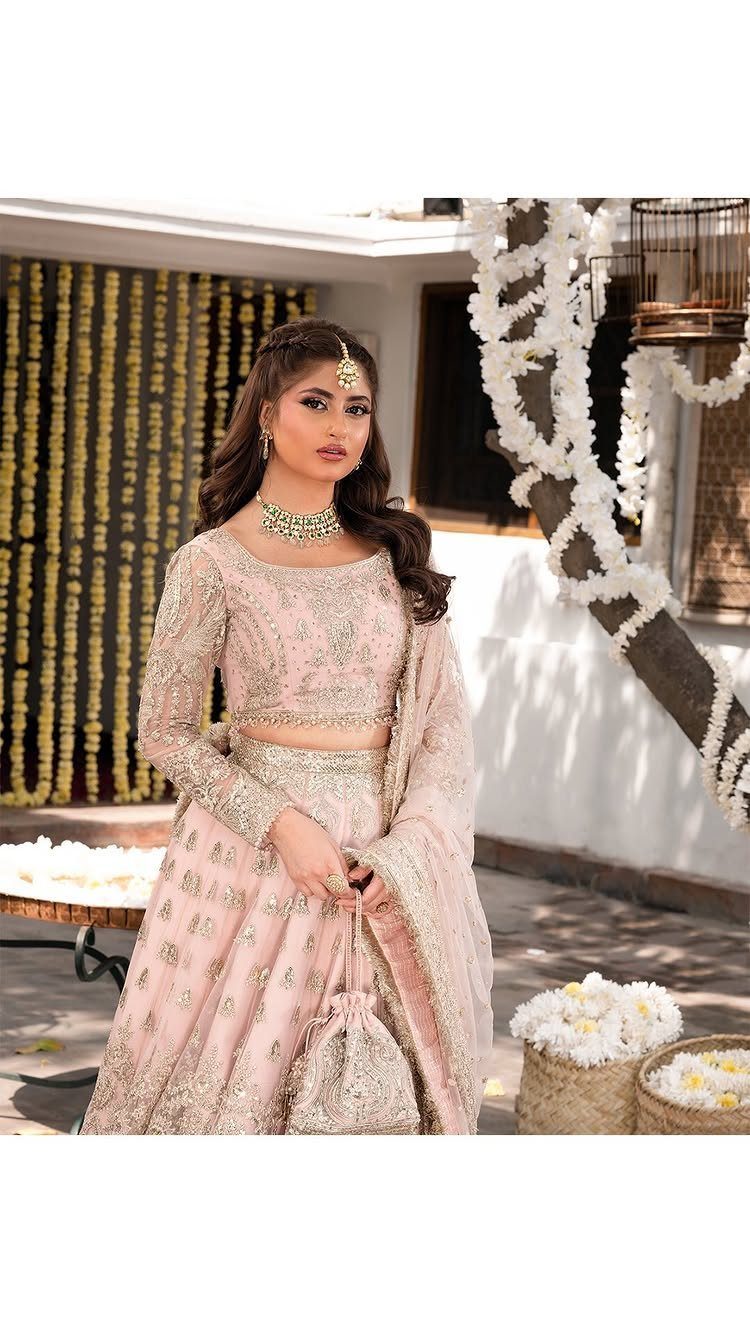
A light pink lehenga with gold embroidery suits South Asian weddings where color and embellishment are expected.
The crop top and skirt move separately, which makes sitting and dancing easier than a fitted gown, and the dupatta drapes over one shoulder or pins at the waist.
Traditional jewelry in gold adds formality.
Stacked bangles, a statement necklace or maang tikka all work; keep the metals consistent. Embroidered lehengas weigh more than plain silk, so lighter fabrics like georgette or chiffon tire you out less over a long reception.
22. Embroidered Trouser Outfit
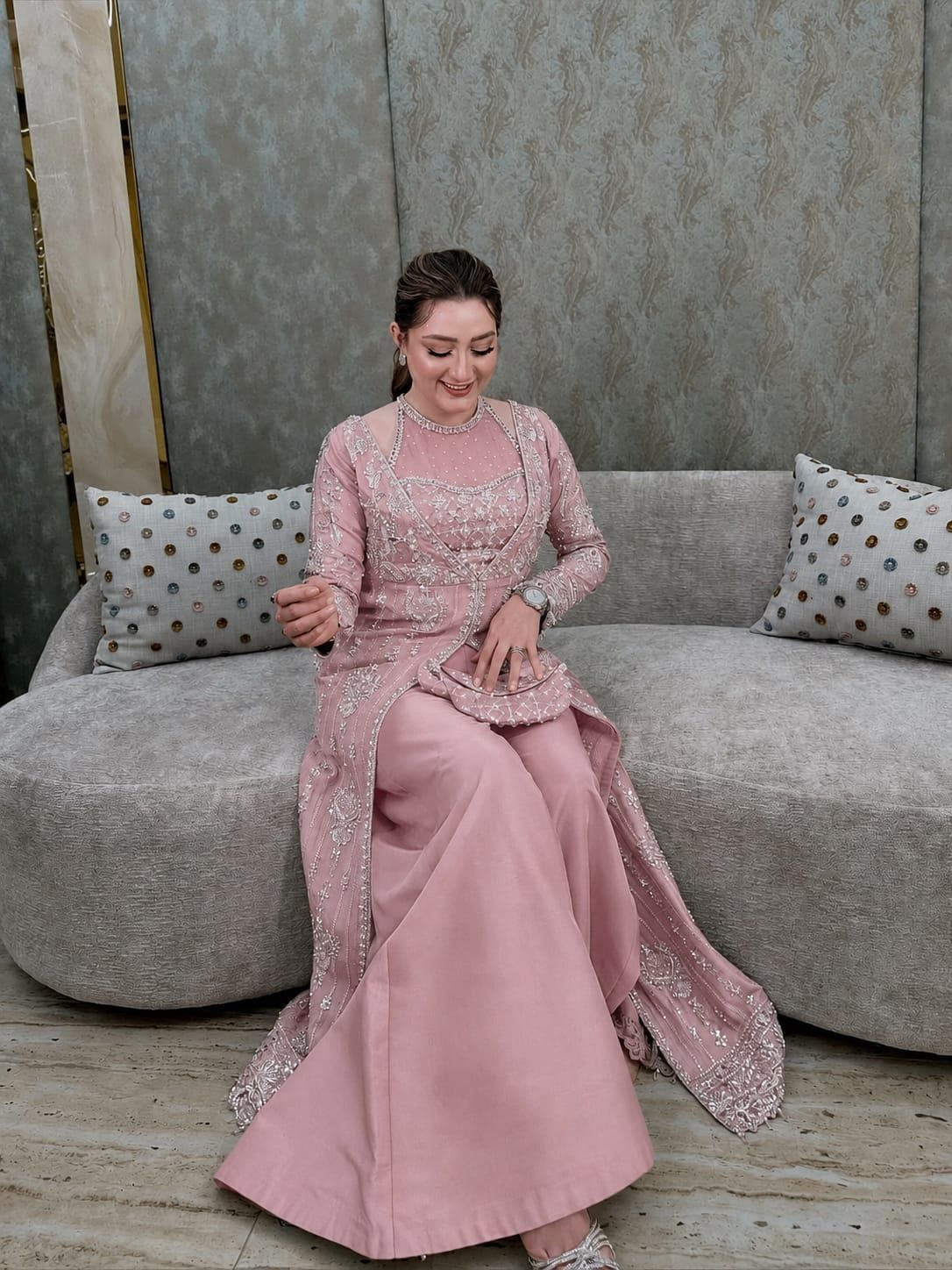
Embroidered tunics paired with wide-leg trousers give coverage and movement without the formality of a gown. Mauve and dusty pink suit spring and summer weddings, and the longer tunic length balances the wide trousers without shortening your frame.
Trousers photograph cleaner than a dress when sitting, and the outfit works across religious and cultural venues where legs need coverage. Heeled sandals add height; flats can disappear under a wide hem.
23. Maroon Embroidered Bridal Gown
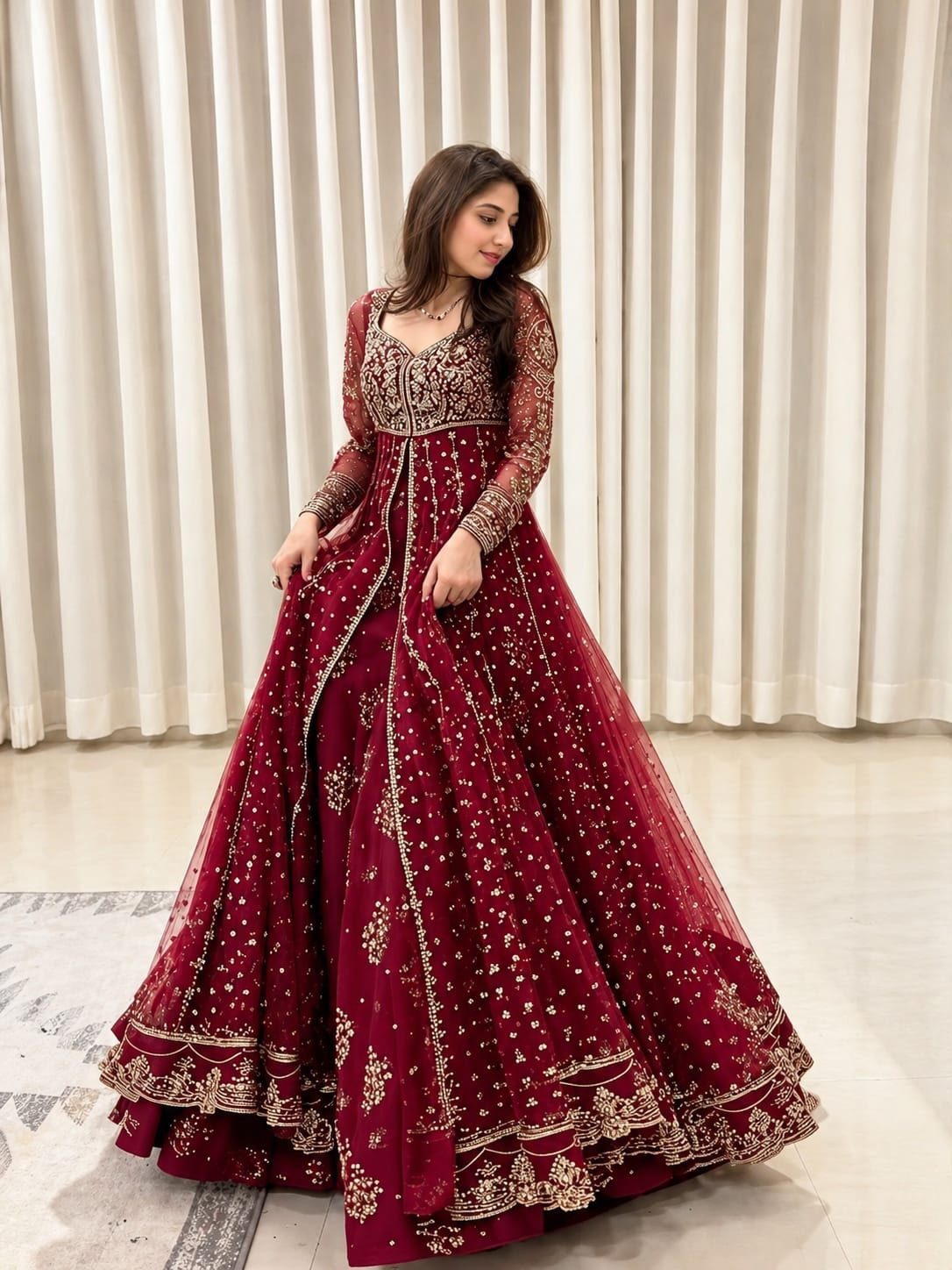
Maroon with gold embroidery reads formal and suits evening receptions where jewel tones photograph better than pastels. The embroidery catches light without full sequin coverage, and a fitted bodice holds its shape better than draped fabric.
This level of embroidery adds weight. Gold jewelry matches the embroidery; silver competes.
24. Beach Wedding Gown
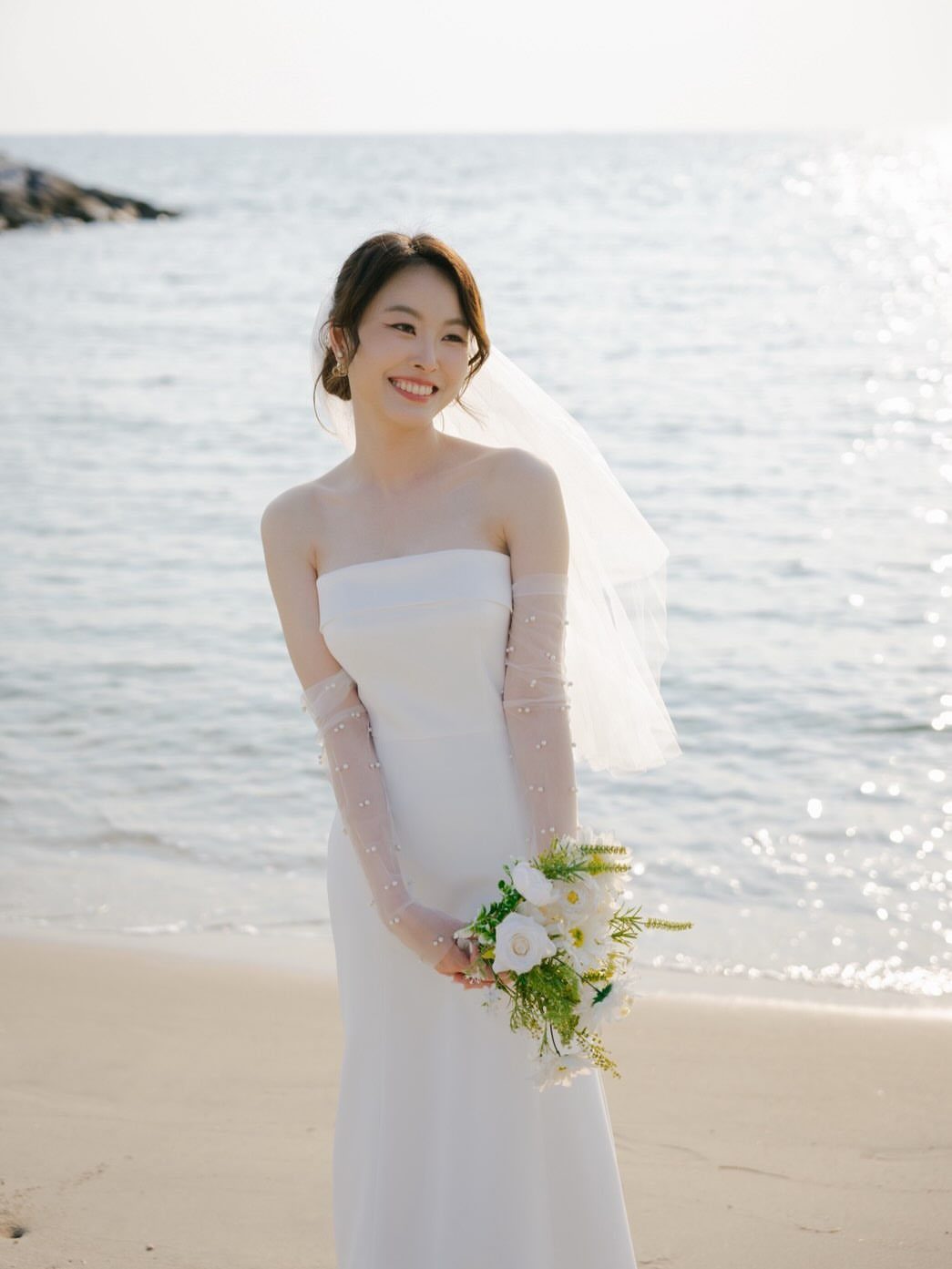
A strapless white gown in chiffon or tulle stays light enough for sand and heat.
The fabric moves in wind without tangling, and a shorter train or no train at all keeps the hem clean. Pearl gloves add vintage detail that photographs well against open water.
Skip heavy beading and satin; both trap heat and weigh more than chiffon. A veil needs extra pins or a comb to stay secure in coastal wind, and low block heels work better than stilettos on uneven sand.
25. Cream Draped Wedding Gown
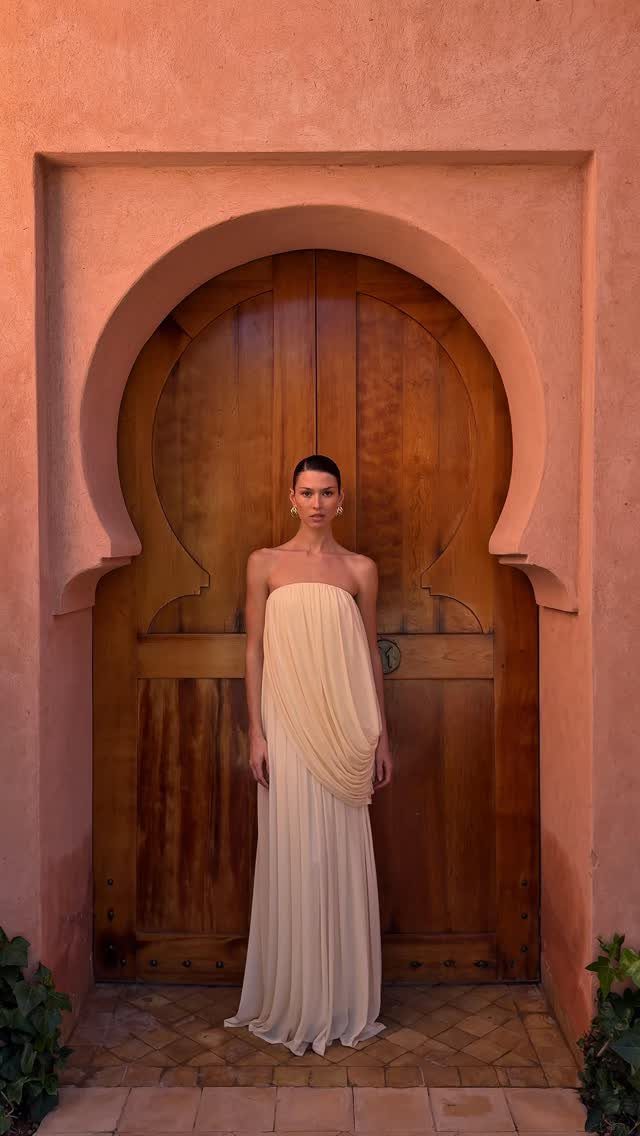
Draped fabric gathers at one hip and falls in soft folds to the floor, adding movement to a strapless silhouette.
Cream tones warm up next to peach or terracotta walls and photograph well in natural light without the starkness of pure white.
The drape needs to stay pinned securely; ask your seamstress to tack it in place rather than relying on the dress’s structure alone.
Fitted bodices hold better than loose ones, and a side drape balances a straight skirt without adding bulk at the waist.
26. Embroidered Wedding Gown
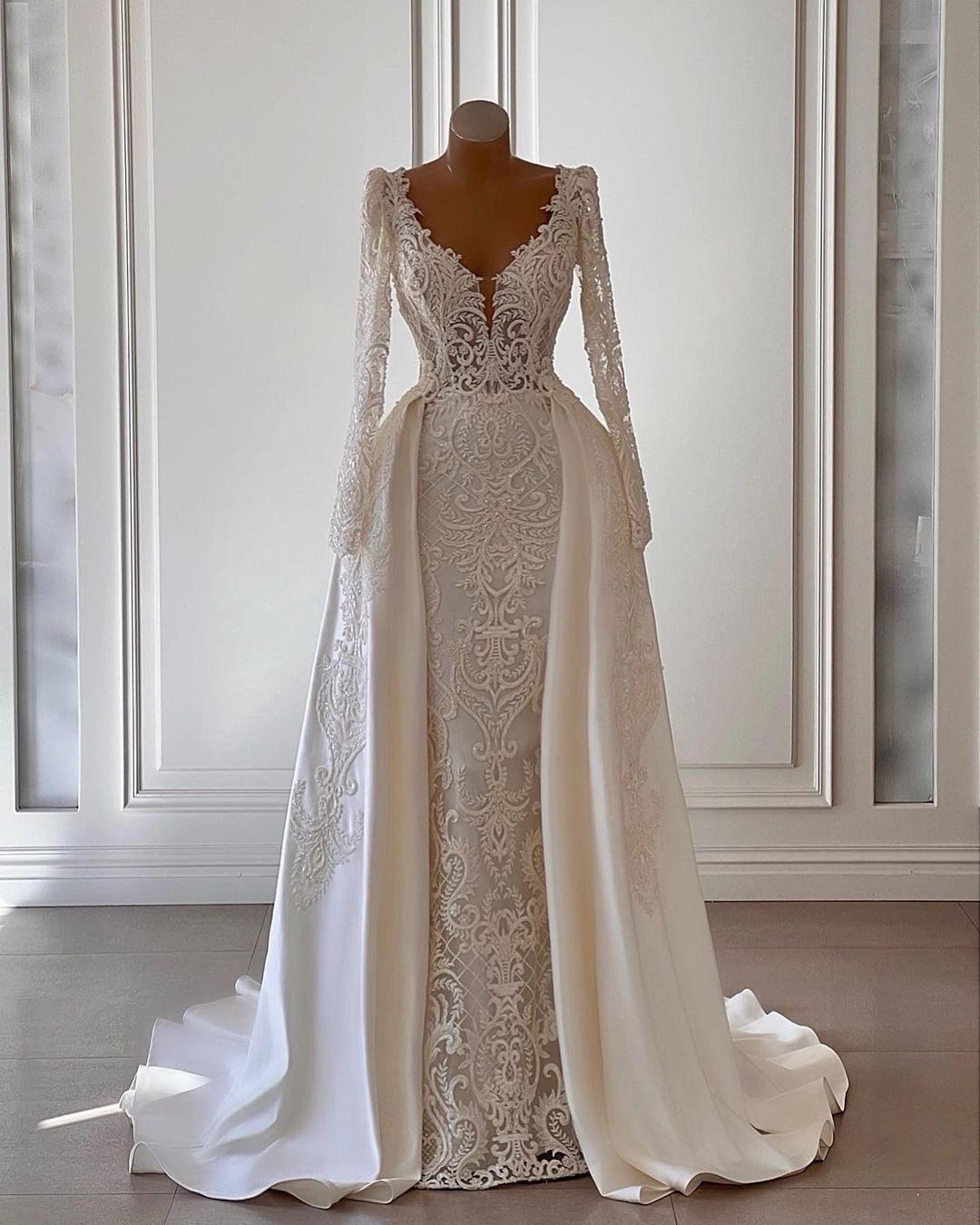
Lace embroidery covers the bodice, sleeves and skirt in floral or geometric patterns that photograph well up close. Long sleeves in sheer lace give coverage without weight, and a detachable overskirt adds volume for the ceremony, then removes for dancing.
Overskirts attach at the waist with hooks or buttons; check that the attachment sits flat and does not bunch under the lace.
Pale ivory suits cooler skin tones better than stark white, and the embroidery should sit flush against the fabric without puckering.
27. High-low Wedding Dress
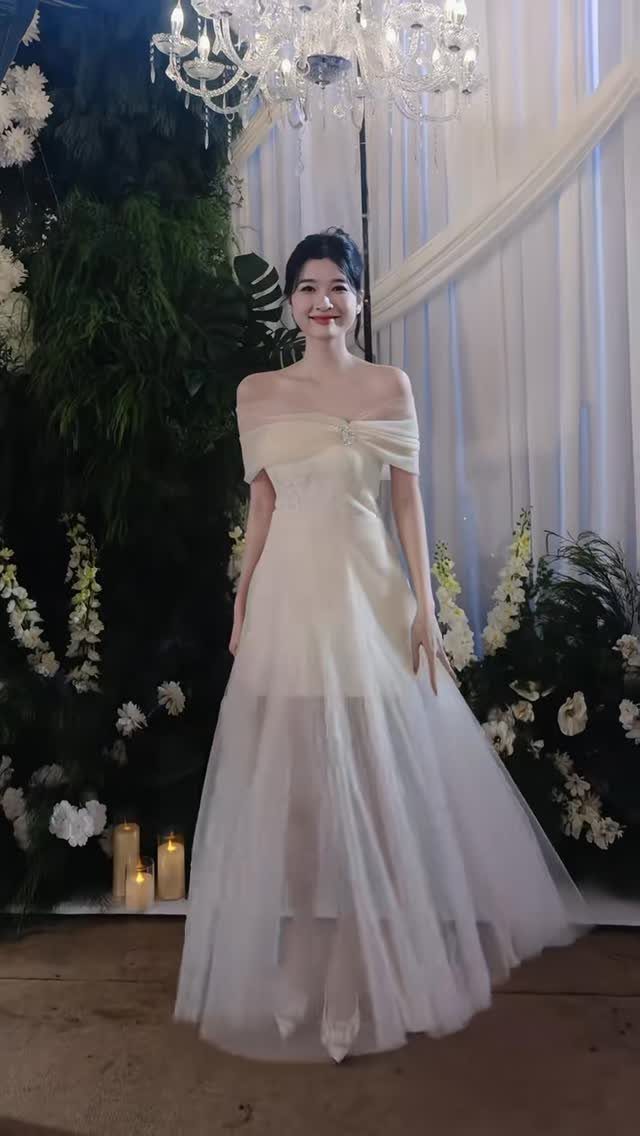
The front hem stops above the knee while the back falls to the floor, showing your shoes during the ceremony and keeping the train out of the way when you walk.
Off-the-shoulder sleeves frame the neckline and photograph well with an updo or loose waves.
Tulle skirts add volume without the weight of satin, and the shorter front makes outdoor venues easier since you are not lifting fabric with every step.
28. Grey-blue Embroidered Outfit

A long sheer jacket embroidered with silver thread and sequins layers over a fitted satin dress in grey-blue or dusty slate.
The jacket adds coverage for religious ceremonies and removes easily for the reception. Silver embroidery catches light better than white thread on cool-toned fabrics.
Matching jewelry in silver or white gold ties the look together; gold competes with the embroidery. The jacket should sit at or below the hips to balance the dress length, and sheer sleeves move more easily than lined ones.
Wedding Guest Outfit Etiquette
White is reserved for the bride, so anything close to ivory, cream or champagne risks reading bridal in photos. If you are unsure whether a dress counts, it does.
Jeans and sneakers read too casual even for a backyard ceremony, and anything that requires constant adjusting or shows too much skin will make you feel underdressed all day.
Iron the outfit the night before and check that buttons, hems and straps are secure.
When the invitation does not list a dress code, go slightly more formal than you think the venue requires.
A guest who arrives in a cocktail dress to a black tie wedding can still blend in; showing up in casual separates when everyone else is in gowns does not fix itself.
Printed dresses in bright florals or jewel tones photograph well across seasons and venues. Maxi lengths suit summer and outdoor ceremonies, while knee-length cocktail dresses work year-round.
No jeans, no sneaks, not too much skin, iron that shirt and have a little class. Pro tip: Weddings are not a time to #freethenipple.
Frequently Asked Questions
What’s appropriate guest attire these days?
Guests can wear nearly anything that avoids white and shows effort: no jeans, sneakers or excessive skin, and the outfit should be pressed and polished.
Midi dresses, tailored separates, jumpsuits and long gowns all work depending on the venue and dress code. Match the formality to the setting and you will fit in.
How do I choose a dress that feels comfortable all day?
Pick a silhouette that moves easily and fabric that breathes, especially for ceremonies and receptions that run from afternoon into evening.
A-line cuts, wide-leg jumpsuits and draped styles give more freedom than fitted mermaid gowns, and lighter fabrics like chiffon and cotton hold up better in heat than satin or velvet.
Try the dress on with the shoes and undergarments you will actually wear so nothing digs or shifts after an hour.