

A wedding day emergency is any problem that threatens your timeline, your comfort, or your guests’ experience, and the couples who handle them best carry a single thought: the goal is to get married and celebrate.
The condition that separates a manageable hiccup from a ruined afternoon is preparation that someone other than the bride or groom can execute.
The fifteen-minute buffer built between every major event absorbs a late limo or a stuck zipper before guests notice anything went wrong, and the $100 in small bills and superglue in your maid of honor’s kit fixes what planning alone cannot prevent.
1. Weather Changes
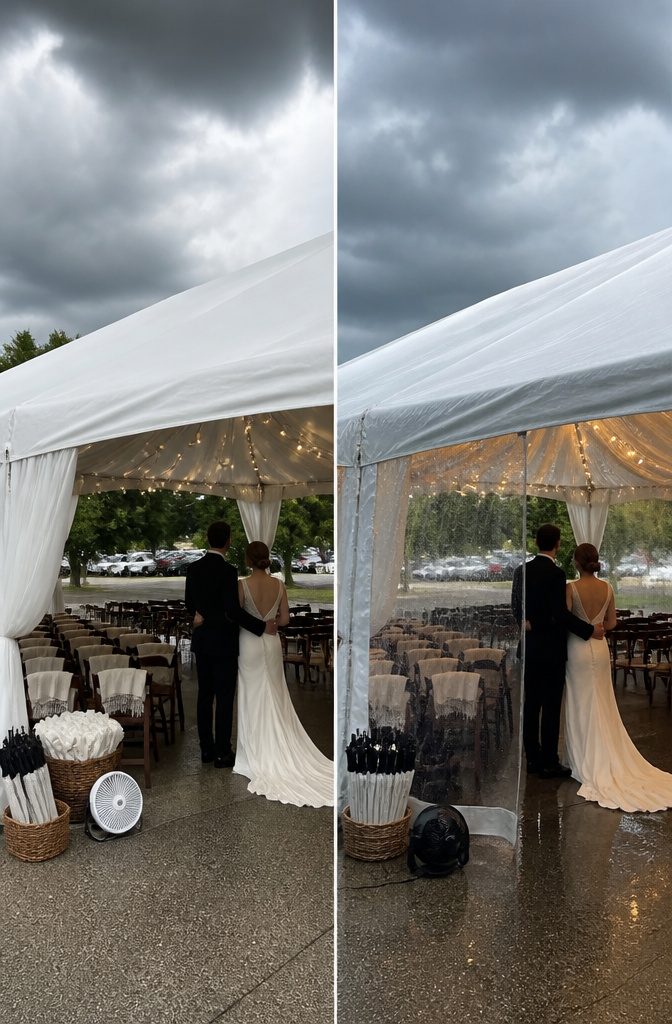
Outdoor weddings carry a quiet risk that only hits home when the sky turns. I have watched couples scramble because they assumed a backup plan was overkill.
Always have an indoor backup venue or tent ready before you commit to an outdoor ceremony. That tent or alternate room is not an extra; it is the price of admission for marrying under open sky.
The call on weather belongs to one person, decided in advance. Two to four hours before the ceremony works as the standard window, enough time to move chairs or redirect catering without panic.
Your planner, your venue contact, or you yourself takes that role, but never a committee. Indecision costs more than rain.
Guests adapt faster than couples fear. A brief, confident announcement that the ceremony moves to the barn or the tent is enough.
The details they need, nothing more. Blankets for sudden cold, umbrellas already staged, fans if heat spikes: these sit in the same category as the backup space, ready before anyone asks.
2. Wardrobe Malfunctions
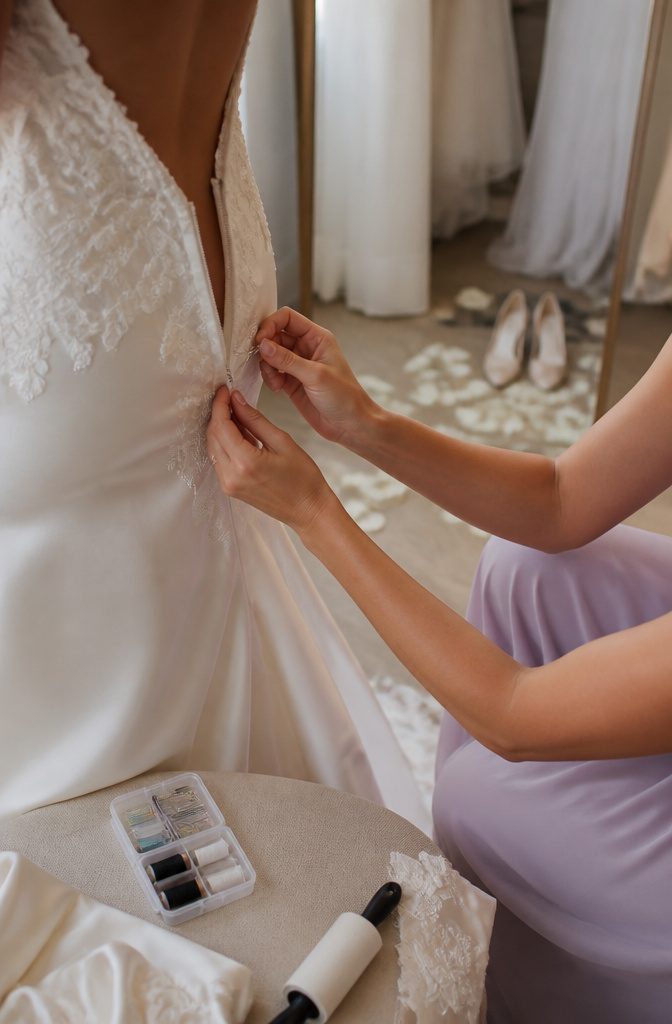
Torn hems, broken zippers, and last-minute stains have a way of finding the bride right before photos.
A safety pin through a popped zipper buys enough time to get through the ceremony; nobody sees the back of a dress during the vows anyway.
For a hem that drops, double-sided tape pressed to the inside fabric holds it flush against the shoe line without a single stitch.
I keep a stain remover pen in my kit because club soda works in theory but leaves its own wet mark on silk.
Clear nail polish stops a run in stockings before it becomes a ladder up the calf, and a lint roller handles the pet hair that somehow transfers from the venue chairs.
A mini sewing kit with neutral thread handles the rest.
The items that actually save the moment are the ones someone remembered to carry, not the ones left in the hotel room.
Assign the kit to your maid of honor or a bridesmaid and make sure it stays in her purse, not tucked into a bag that gets shuttled to the wrong location.
One bride I read about had her dress steamed at the venue rather than transported already pressed; the wrinkles from the car ride would have been the real emergency.
3. Vendor Issues
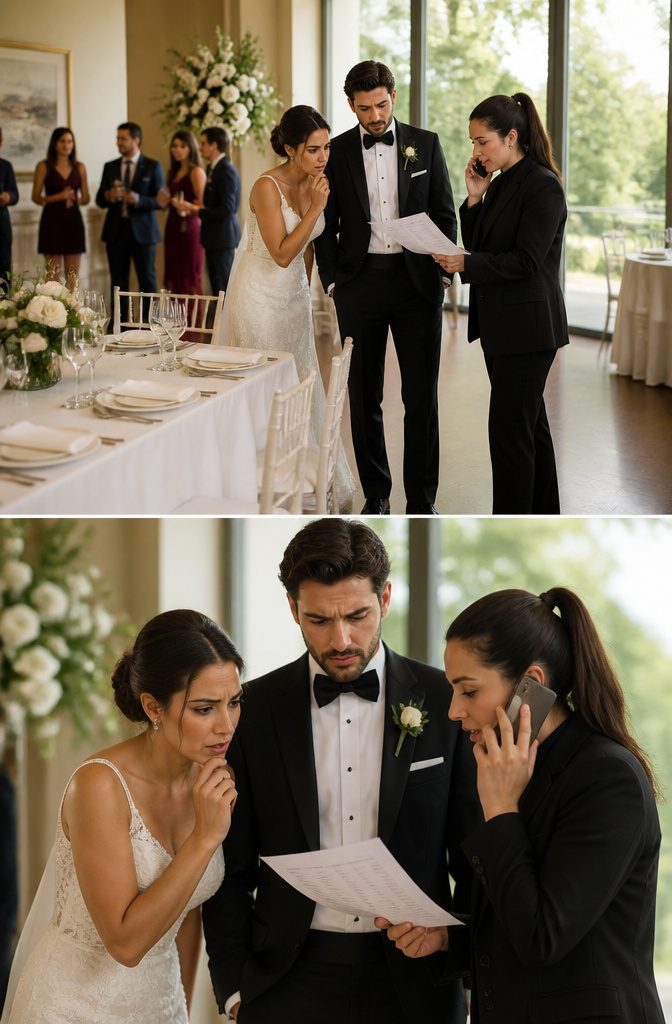
A vendor who does not show up on time, or at all, can derail a ceremony faster than almost anything else.
The best protection is boring and simple: confirm every detail, including arrival times and requirements, one week before the wedding. I used to think a month-ahead check was enough, but that leaves too much room for schedule drift.
When I planned my own wedding, I kept a printed sheet with each vendor’s cell number, backup number, and the name of an alternate company I had already called. That second call matters.
If your florist is late, you start without the flowers; the ceremony does not need centerpieces. If the DJ fails to appear, someone’s phone and a Bluetooth speaker can cover until a replacement arrives.
Your point person, whether a coordinator or a trusted friend, handles the calls so you are not standing in a dress solving logistics.
I have seen brides spend their getting-ready hours on hold with a caterer who simply went to the wrong entrance. The friend with the clipboard fixes that; the bride walks down the aisle.
4. Transportation Delays
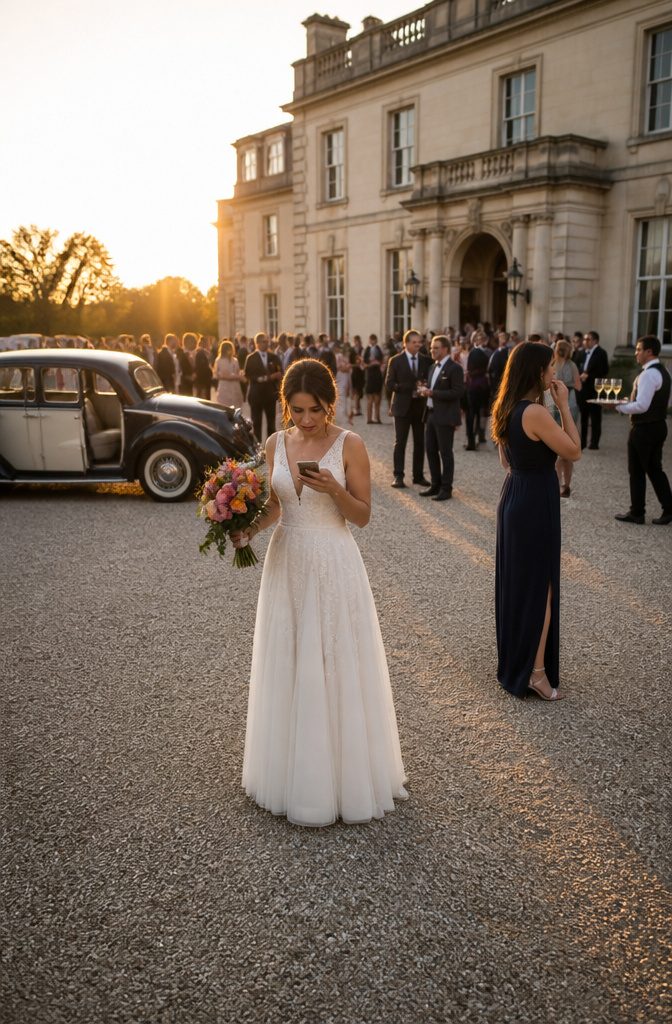
A limo that shows up twenty minutes late is not the disaster it feels like if you built fifteen-minute buffers between every major event into your timeline from the start.
That padding is what lets you absorb the hit without guests ever noticing something went wrong.
The real fix happens before anyone steps into a vehicle.
Pre-load ride-share apps on your phone and your designated point person’s phone, not just yours. Traffic or a broken-down shuttle becomes a few taps instead of a scramble.
Assign someone not in the wedding party to track vehicles and hold backup driver contacts; the bride or groom should not be the one making calls from the back seat.
If the delay hits anyway, protect the ceremony and reception time by cutting photo time first.
Extend cocktail hour if dinner service runs behind; guests with drinks in hand rarely check their watches. A Bluetooth speaker and someone’s phone can cover music gaps if the DJ is among the delayed.
One rule of thumb is to always have buffer time, as in plan to arrive earlier than you need to. Making refreshments and music available to guests will also lessen your need to stall.
The buffer is your silent insurance policy; the visible backup plan is the phone in your hand with a ride already queued.
5. Family Drama
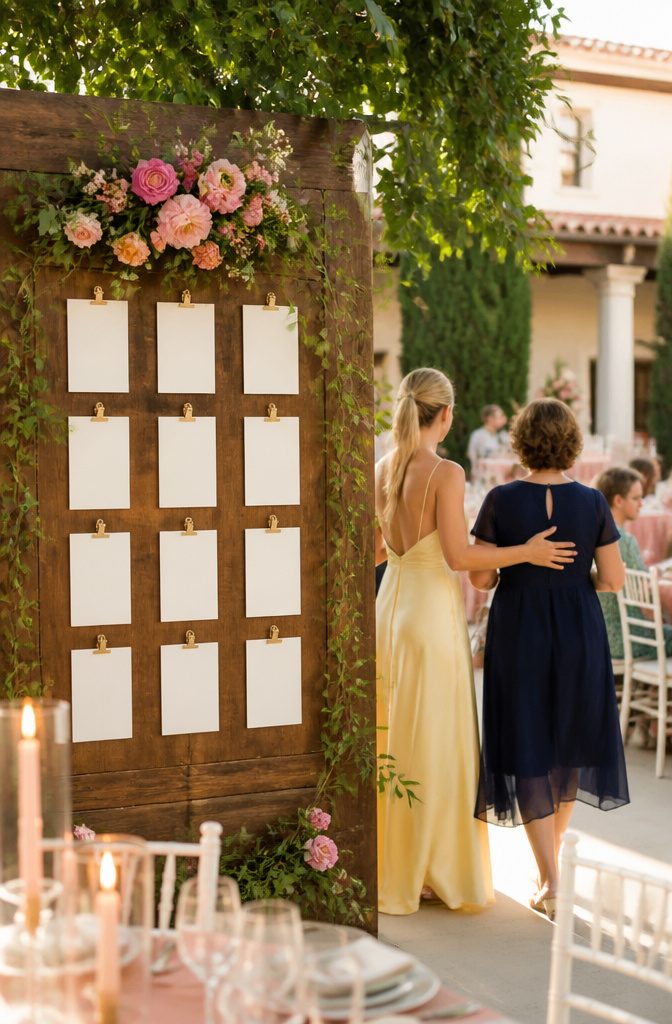
The seating chart is your first line of defense. At my cousin’s wedding, the planner put her divorced parents at tables on opposite sides of the room, each surrounded by their own siblings and friends.
They never had to cross paths to reach the bar, the bathroom, or the dance floor. Seat feuding family members far apart, and build buffer zones with neutral relatives who won’t carry gossip back and forth.
Someone other than you needs to catch what the seating chart doesn’t stop. Pick a person who knows your family well and can think on their feet: a sibling, a best friend, the maid of honor.
Brief them ahead of time on exactly who might clash and what the triggers are. Their job is to spot tension early, pull people aside quietly, and buy time while you stay present for your own ceremony.
You do not engage. The designated person handles the awkward conversation, the redirect to the parking lot, whatever it takes.
Your only task is to keep celebrating, because every minute you spend managing someone else’s old grudge is a minute stolen from a day that cost you thousands and took a year to plan.
6. Guests Not Following the Seating Plan
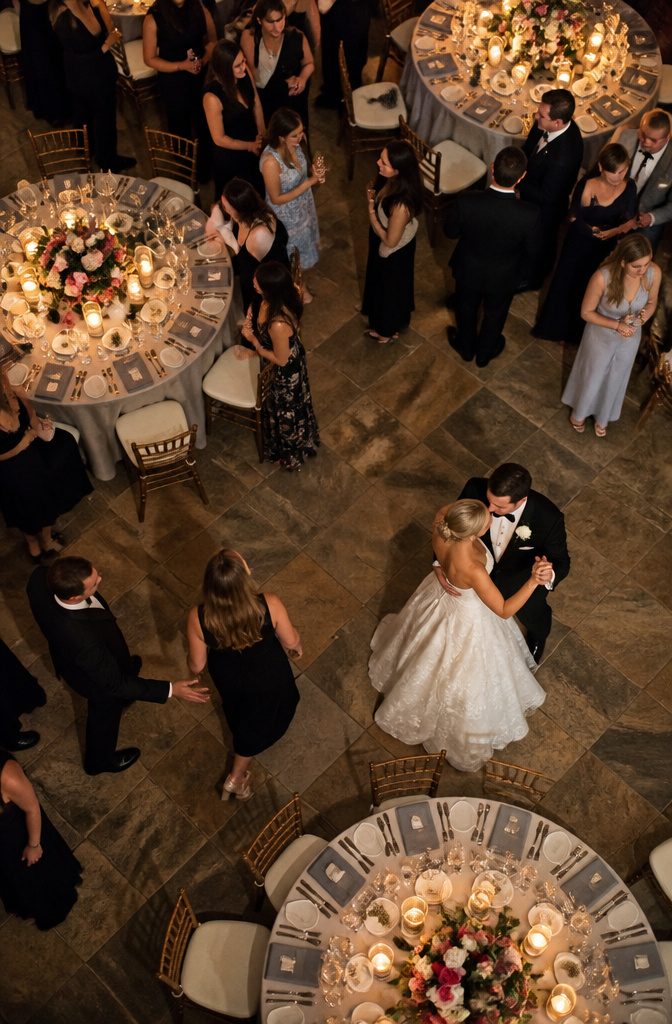
Place cards have a way of wandering the moment backs are turned.
At my cousin’s reception, an aunt quietly relocated three couples so her book club could sit together, and the groom’s college roommate squeezed in a date who definitely wasn’t on the original list.
The couple never noticed; they were already on the dance floor.
Leave two open seats at every table when you build the layout. That buffer absorbs the plus-one who appears with a shrug or the cousin who decides she’d rather sit with college friends than assigned family.
Ushers trained on the plan can spot a wandering guest and guide them gently: "The bar’s open, and I’ve saved you a great spot near the dance floor," not a public correction over a moved card.
The hard truth is that some battles cost more than they’re worth. A moved place card at 6:47 p.m. does not ruin the marriage.
The couples who remember their wedding fondly years later aren’t the ones where every guest sat in assigned seats. They’re the ones who noticed the shift, decided it wouldn’t matter by the first dance, and kept celebrating.
7. Cake Issues
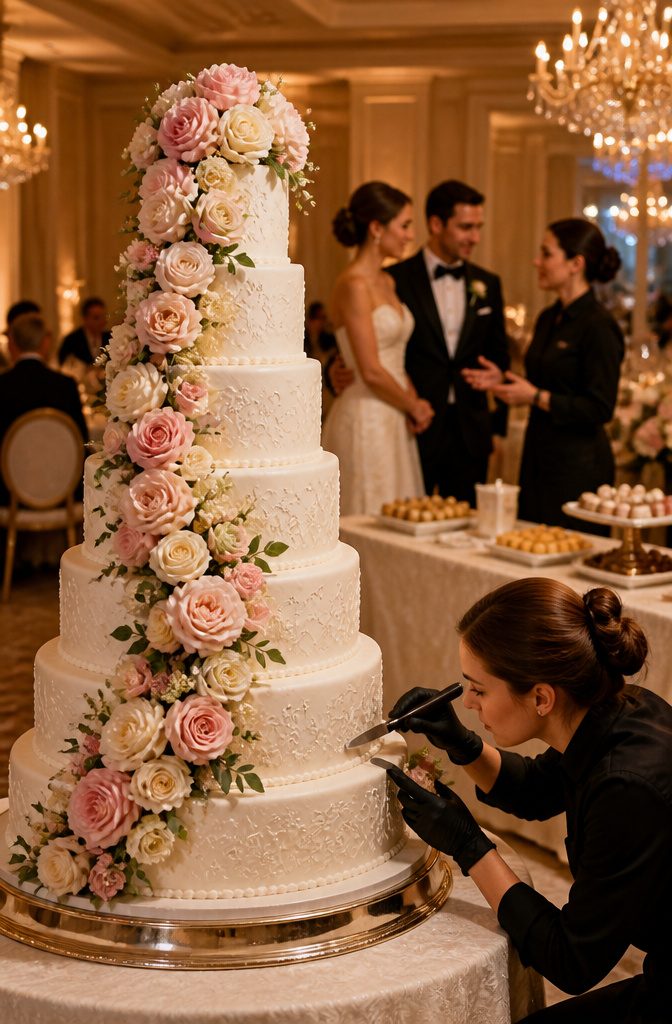
A buttercream cake left in direct sunlight for even twenty minutes before the reception starts can sag on its supports and pull the whole tier into the one below.
I have watched a couple insist the cake go on display outdoors in June, and by the time the DJ called for the cutting, the fondant had gone soft enough that the top tier slid sideways like a drunk hat.
Store the cake in the venue’s walk-in until ten minutes before the first slice, not on the sweetheart table during cocktail hour.
If a tier does fall, a kitchen with a steady hand and an offset spatula can scrape the layers apart, trim the crushed section, and reassemble the remainder as a smaller cake.
The staff can also cube what is still clean and send it out as a plated dessert with berry compote, which guests rarely question if it arrives warm.
The couple who handles this well tells nobody there was ever another plan.
A backup dessert, something simple like a sheet cake from a grocery bakery kept in the venue freezer, stays quiet until it is needed. Guests remember whether they ate cake, not whether it matched the original design.
8. Last-Minute Guest Changes
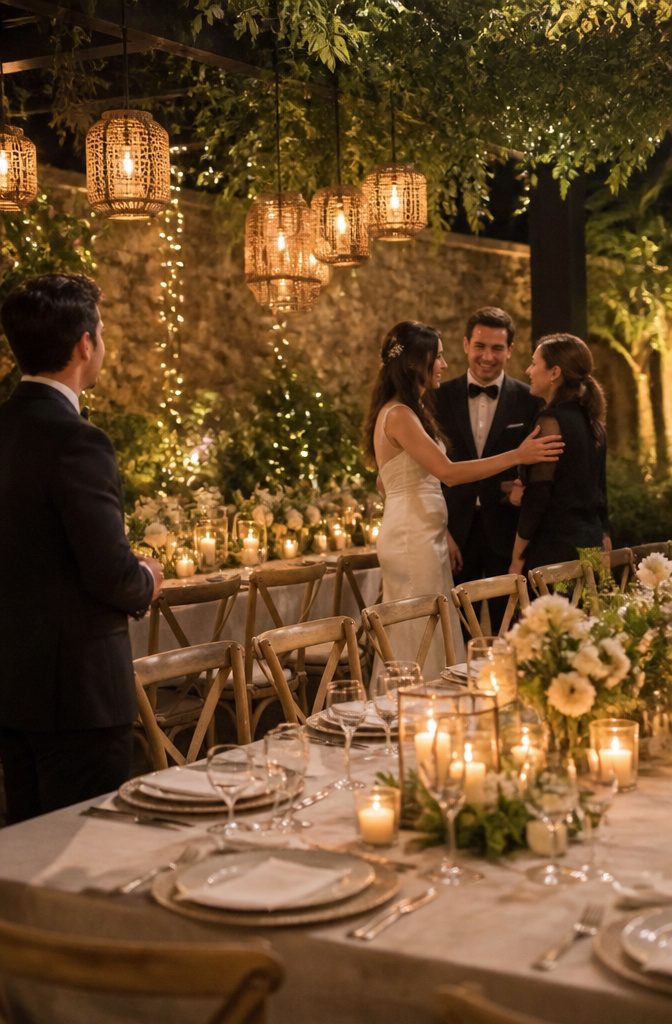
The morning of my cousin’s wedding, two aunts showed up with plus-ones nobody had RSVP’d for, while a college friend texted that she was stuck with the flu.
The seating chart, color-coded and laminated, suddenly looked like a wish rather than a plan.
Leave two seats open at every table if your venue allows it. That buffer absorbs most last-minute shifts without shuffling place cards in front of guests.
For catering, the kitchen needs a heads-up by mid-morning at the latest; most venues can stretch a plated dinner by a few covers if they know before the salads go out.
The person to find is the banquet captain, not the event manager you met six months ago.
The uninvited date is the trickier piece.
Someone who assumed they could bring one is already embarrassed, so the goal is information, not correction. A quiet "We’re so glad you made it; let me check where we can seat you together" keeps the moment moving.
If the room truly has no chairs left, the couple or their point person pulls the guest aside before the ceremony, not at the receiving line.
What you avoid is any scene that turns the wedding into a story about who got turned away.
9. Medical Issues

Heat and champagne catch up with people faster than anyone expects at a wedding. I have watched a bridesmaid faint during a summer ceremony and a groomsman slice his palm open breaking down a cardboard centerpiece box.
Both moments looked like emergencies and neither needed an ambulance, but the difference between a quiet recovery and a scene is who in the wedding party knows where the first aid kit is.
Keep the kit basic. Band-aids, blister pads, pain reliever, antacids, and allergy medication cover the usual complaints.
Someone should carry it, not leave it in a car or a venue closet. The maid of honor, a bridesmaid, or a trusted friend works fine; the point is one named person, not a committee.
Fainting usually resolves with water, cool air, and a seated position. Allergic reactions that spread beyond a localized rash, or any injury with heavy bleeding or a suspected break, call for 911.
The judgment call is the hard part. A twisted ankle on the dance floor stays quiet; chest pain or trouble breathing does not.
If you are unsure, the venue staff can direct you to the nearest hospital or urgent care center, but do not wait to make that call if the person is non-responsive or the symptoms are spreading fast.
The Emergency Kit
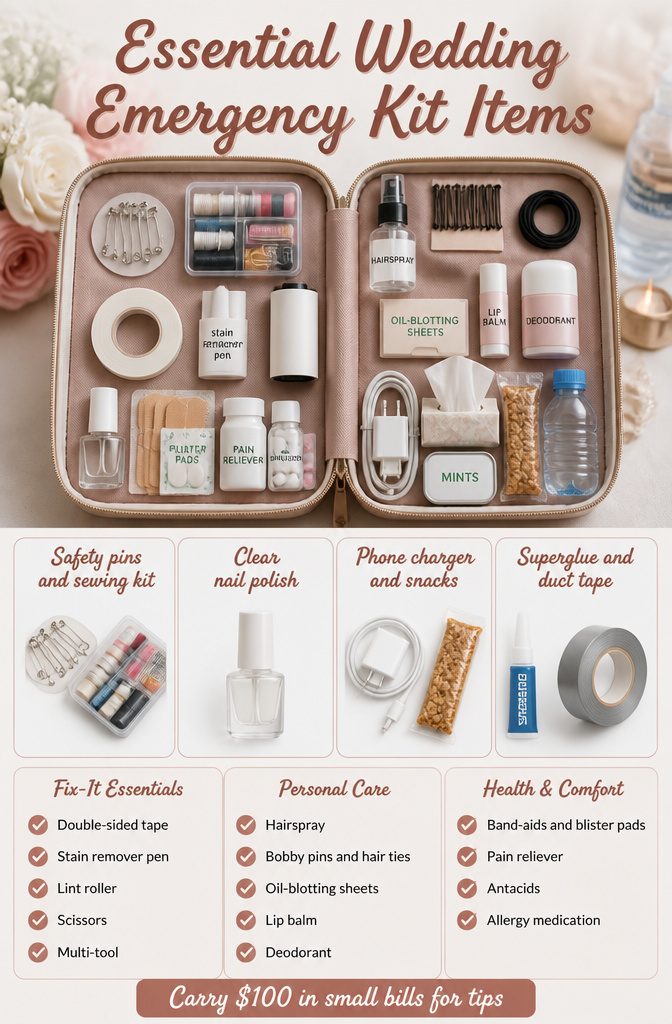
The emergency kit lives with your maid of honor or wedding planner, not with you. Hand it off the night before so you’re not hunting for safety pins in your wedding dress.
Carry $100 in small bills for tips, plus the real fix-it items:
- Safety pins and a small sewing kit for popped seams or gaping necklines
- Double-sided tape and a stain remover pen; a lint roller for last-minute touch-ups
- Clear nail polish to stop a stocking run before it travels
- Band-aids and blister pads, pain reliever, antacids, allergy medication
- Hairspray, bobby pins, hair ties, oil-blotting sheets, lip balm, deodorant
- Phone charger, tissues, breath mints, snacks, water bottles
- Superglue, duct tape, scissors, and a multi-tool
I learned the hard way that superglue earns its place.
At my cousin’s wedding, a heel cap snapped off during photos. The multi-tool had nothing to grip.
Duct tape would have left a sticky mess on the stone steps. Superglue set in ninety seconds and held through the reception.
Building the Timeline

A timeline without breathing room turns a single late vendor into a domino chain that swallows your ceremony.
The fix is simple: build 15-minute buffers between every major event. That quarter hour absorbs a lost florist, a stuck zipper, or a bridal party van that took the wrong exit before the delay infects everything downstream.
Most weddings see the worst slippage where groups gather and disperse.
The gap between getting-ready finish and first look, the handoff from ceremony to cocktail hour, and the transition into seated dinner are the danger zones. Guests cluster, someone is always missing, and momentum dies.
Where the buffer pays off most is in that ceremony-to-reception bridge.
If the officiant starts ten minutes late or family photos run long, you do not touch the ceremony itself or cut the reception short. You extend cocktail hour.
Guests with drinks in hand barely register a twenty-minute drift. The same flexibility works in reverse: if everything runs on time, the buffer becomes a private moment to breathe together before the next wave begins.
I used to pack timelines tight, thinking efficiency would protect the budget.
Now I leave the padding in and treat it as spent money, like insurance. The weddings that finish calm are the ones that started with invisible slack already woven in.
Communication Before the Day
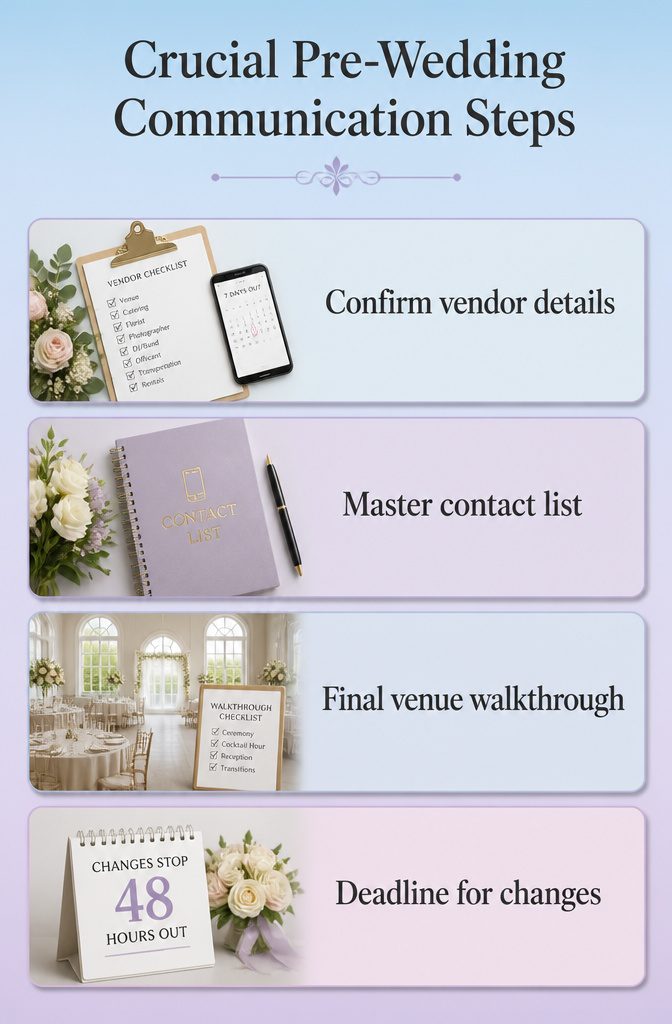
The week before the wedding is when confirm all vendor details, including arrival times and requirements, a week before the wedding becomes non-negotiable.
I learned this the hard way after a florist arrived two hours late to a spring wedding I was helping coordinate; the couple had confirmed by email three weeks out but never re-checked, and the vendor had silently updated their route.
A phone call at the seven-day mark would have caught it.
Someone needs to hold the master contact list, and that someone should not be you.
Hand it to a trusted friend, your coordinator, or a level-headed bridesmaid who can field the "I’m running ten minutes behind" texts while you’re in hair and makeup.
The list lives on their phone, printed as backup, and includes every vendor plus the venue manager and one family point person per side.
The final walkthrough is your last chance to discover that the loading dock locks at 7 a.m. or that the DJ needs a table the venue doesn’t provide.
Walk the space in the same order as the day, timing each transition. If something feels off, this is the window to fix it.
Changes stop forty-eight hours out. Not twenty-four, and not "just one more."
By then, every vendor has built their load-in, their staff schedule, their printouts. A late tweak ripples through five other timelines, and the person absorbing that ripple is whoever holds your contact list, not you.
What to Actually Do

The couples who handle wedding day emergencies best carry a single thought with them: the goal is to get married and celebrate with your people.
Everything else is details. A rained-out ceremony becomes a cozy barn moment.
A late cake becomes an extended dance hour. The guests rarely notice what went sideways; they remember whether the couple looked happy or stressed.
Delegation matters more than planning. Your coordinator, wedding party, and vendors are there to absorb problems so you do not have to.
The question is not whether you could fix something. It is whether fixing it pulls you out of the celebration.
Make the call when a guest’s comfort or safety is at stake. Let it slide when the issue is invisible to anyone but you.
Your own mood is recoverable.
A setback feels enormous in the moment and shrinks by the anniversary. What stays large is the memory of whether you kept celebrating or spent the afternoon problem-solving in the bridal suite.
Breathe before you decide anything. The decision made calm is almost always the better one.
Frequently Asked Questions
What should be in a wedding emergency kit?
Pack safety pins, a small sewing kit, double-sided tape, a stain remover pen, a lint roller, and clear nail polish for wardrobe fixes.
Add band-aids, blister pads, pain reliever, antacids, and allergy medication for medical needs, plus hairspray, bobby pins, a phone charger, breath mints, snacks, water, superglue, duct tape, scissors, and a multi-tool.
Carry $100 in small bills for tips. Hand the whole kit to your maid of honor or planner the night before so you are not hunting for supplies in your dress.
How can I handle unexpected weather on my wedding day?
Always have an indoor backup venue or tent ready before you commit to any outdoor ceremony; treat it as the price of admission, not an extra.
Assign one person to make the weather call two to four hours out, never a committee. Stage umbrellas, blankets, or fans ahead of time, and announce any move briefly and with confidence; guests adapt faster than couples fear.
What should I do if a vendor doesn’t show up?
Confirm every detail, including arrival times and requirements, one week before the wedding. Keep a printed sheet with each vendor’s cell number, backup number, and the name of an alternate company you have already called.
Your point person handles the calls, not you. If the DJ fails to appear, a phone and Bluetooth speaker can cover; if the florist is late, start without the flowers because the ceremony does not need centerpieces.
How do I manage family drama during the wedding?
Seat feuding family members far apart, with neutral relatives as buffer zones who will not carry gossip back and forth.
Pick a trusted person who knows your family well and brief them ahead of time on who might clash and what the triggers are.
Their job is to spot tension early, pull people aside quietly, and buy time while you stay present; you do not engage.